
Key Highlights
- Iran's geopolitical role is increasingly scrutinized amid rising tensions in the Middle East.
- Recent missile exchanges and airstrikes illustrate the complexity of regional conflicts.
- The Persian Gulf's strategic importance remains a focal point for global energy security.
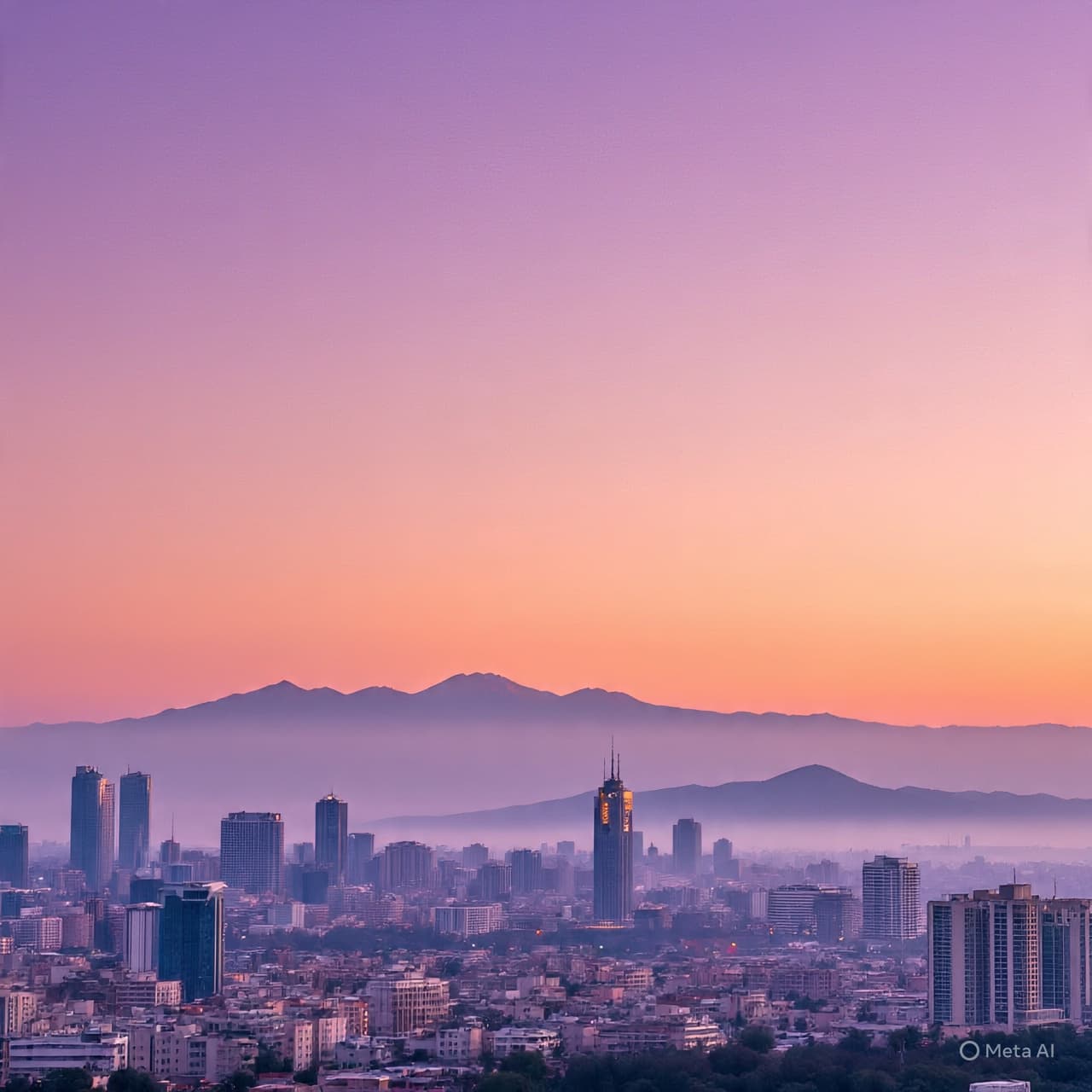
Morning arrives slowly over the Iranian plateau. The mountains beyond Tehran catch the first pale light while the city below begins its familiar rhythm—traffic moving along broad avenues, shop shutters lifting, the quiet hum of daily life returning after the long stillness of night. From a distance, it appears like any other capital awakening to another day.
Yet in recent weeks, the air around Iran has carried a different kind of motion, one less visible than wind but felt across borders and seas. Observers following the unfolding conflict in the Middle East have found themselves returning again and again to Iran’s place in the region’s shifting balance. In briefings and reports, journalists and analysts attempt to trace the outlines of events that move quickly yet are rooted in decades of history. Among them, global affairs editor Laura Tingle has been offering regular reflections on the situation, describing a moment in which Iran stands both as a participant in conflict and as a focal point for wider regional tensions.
The story now unfolding is not confined to one battlefield. Instead, it stretches across several landscapes at once: the crowded cities of Israel, the southern coastlines of Iran, the narrow waters of the Persian Gulf, and the diplomatic corridors of distant capitals. Each of these spaces carries its own tempo, yet together they form a single pattern of escalation and response. Iran’s role within that pattern is shaped by its alliances and by the network of groups across the region that maintain political or military ties to Tehran. In places such as Lebanon, Syria, and Iraq, those connections have long formed part of a broader strategic architecture. When tensions rise between Iran and its adversaries, those relationships often become part of the wider dynamic.
In recent weeks, reports have described missile exchanges, airstrikes, and retaliatory actions involving Iran, Israel, and other actors in the region. Some attacks have been direct, while others have involved groups aligned with one side or another. The effect has been to stretch the conflict outward, turning what might once have appeared as a localized confrontation into a more complex regional picture. Energy routes and maritime corridors have also entered the conversation. The Persian Gulf remains one of the most important arteries for global oil shipments, and the narrow passage of the Strait of Hormuz sits close to Iran’s southern coastline. Even the suggestion of disruption there tends to echo quickly through international markets and diplomatic channels.
At the same time, the conflict has produced quieter consequences that ripple far beyond the battlefield. Airlines have adjusted flight paths around contested airspace, travelers have found themselves stranded as routes close and reopen, and governments across Europe, Asia, and Australia have monitored the situation with increasing attention. These developments form the background to the daily briefings offered by reporters trying to translate fast-moving events into something that can be understood. In Tingle’s summaries, the emphasis often falls on context: how the present moment connects to older rivalries, how the geography of the region shapes strategic choices, and how each new development may shift the balance of risk.
Seen from afar, the region appears as a map of deserts, seas, and borders. Seen more closely, it becomes a web of relationships and memories that stretch across generations. Iran’s political system, its strategic partnerships, and its rivalry with Israel and the United States are all part of that longer narrative. For now, the situation remains fluid. Military exchanges and diplomatic signals continue to unfold across the region, and governments around the world are monitoring developments closely. Iran remains central to these events, both as a regional power and as a key participant in the ongoing conflict.
Published by Banx Network. This article is part of the Banx decentralized media programme, powered by the BXE token on the XRP Ledger.



