A soft wind flows over Wellington’s harbor, carrying the hum of daily life through streets and over the hills where the Beehive sits like a crown over the city. Ordinary routines continue — cafes open, buses hum along, ferries glide across the water — yet beneath this calm rhythm lies anticipation. Today, New Zealand has a date to mark, a moment when millions will lend their voice to the direction of the nation.
Prime Minister Christopher Luxon has formally called a general election for November 7, 2026, initiating a campaign that will span months of discussion, debate, and reflection. In his announcement, he emphasized continuity and economic stewardship, gestures toward stability as households across the islands weigh the realities of rising costs and housing concerns.
The National Party, leading a coalition with ACT New Zealand and New Zealand First, brings a center-right perspective that has guided policy since 2023. Infrastructure, public safety, and fiscal measures have been central to governance, and now these priorities will face renewed scrutiny from voters considering both local experience and national outlook.
Opposition voices are already preparing their narratives. Labour, positioned on the center-left, highlights concerns over housing affordability, healthcare access, and broader social equity. Smaller parties and interest groups, from environmental advocates to indigenous representation collectives, anticipate that proportional voting will again place coalition formation at the center of political strategy.
Economic context forms the backdrop of this election. Conversations in households, workplaces, and small businesses often revolve around the cost of living, employment opportunities, and sustainable growth. These practical concerns give texture to the campaign, reminding both leaders and citizens that policies have consequences beyond headlines.
The choice of a November election offers more than political scheduling; it aligns with the country’s seasonal rhythms. Spring light turns to summer warmth, inviting community gatherings, conversations in open spaces, and moments for reflection as voters consider their options. Each decision, though individual, contributes to the nation’s collective direction.
Beyond parties and platforms, this election is a reminder of democracy’s quiet cadence. Governance is sustained not solely by policy, but by civic participation — the ordinary act of choosing, repeated across homes and polling booths. The November 7 date is both a milestone and a continuation of that rhythm.
As campaigning unfolds, the country will measure promises against lived experience, debate against expectation, and leadership against aspiration. By the time ballots are cast, the soft winds of Wellington will have witnessed months of discussion, anticipation, and reflection — all converging on a single day when citizens affirm the direction of their nation.
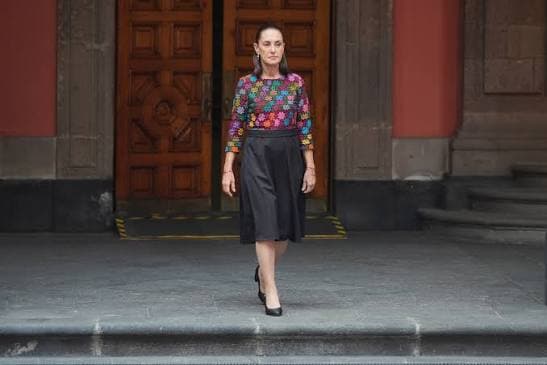
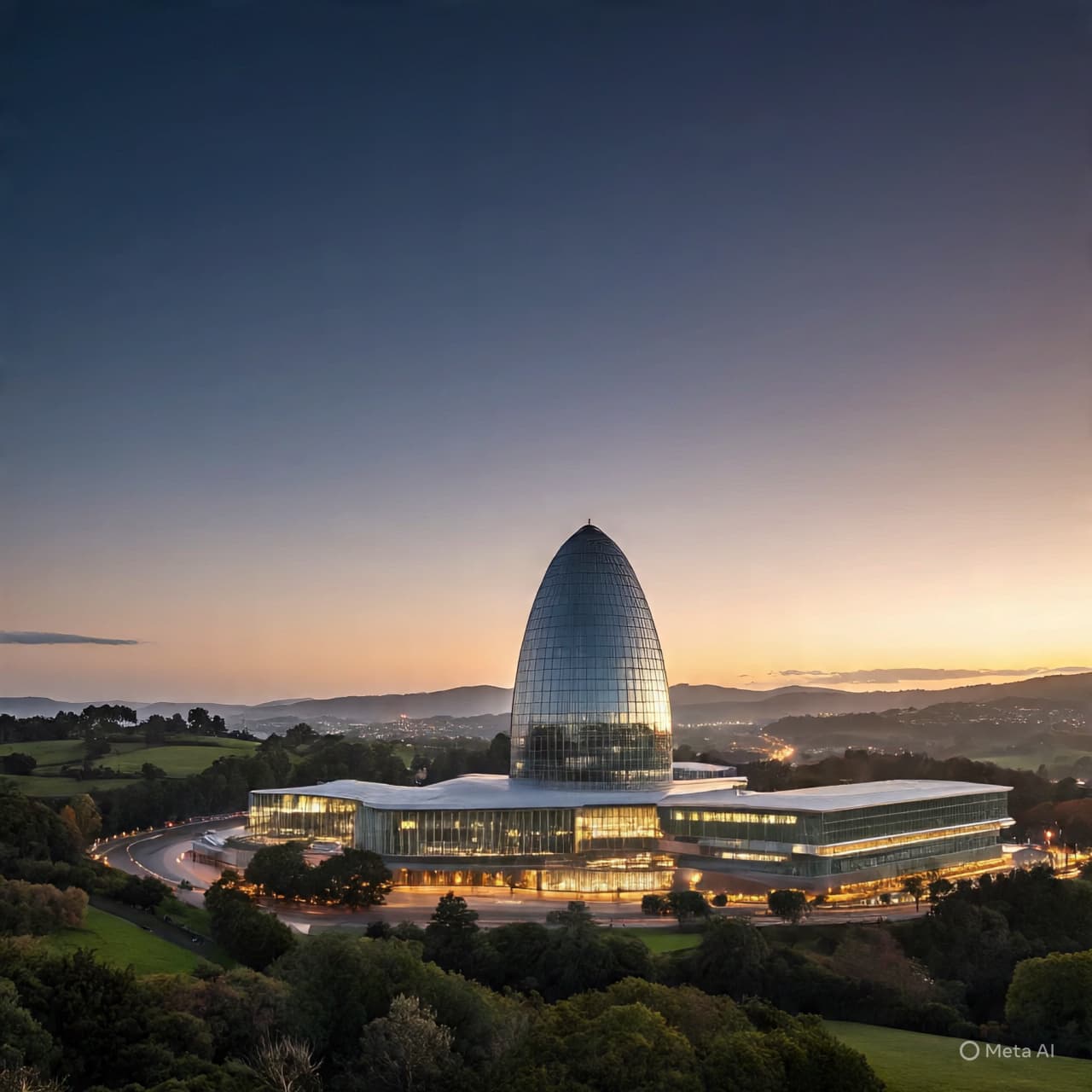
AI Image Disclaimer Visuals are AI-generated and serve as conceptual representations.
Sources Reuters Al Jazeera The Guardian Associated Press Bloomberg
Published by Banx Network. This article is part of the Banx decentralized media programme, powered by the BXE token on the XRP Ledger.