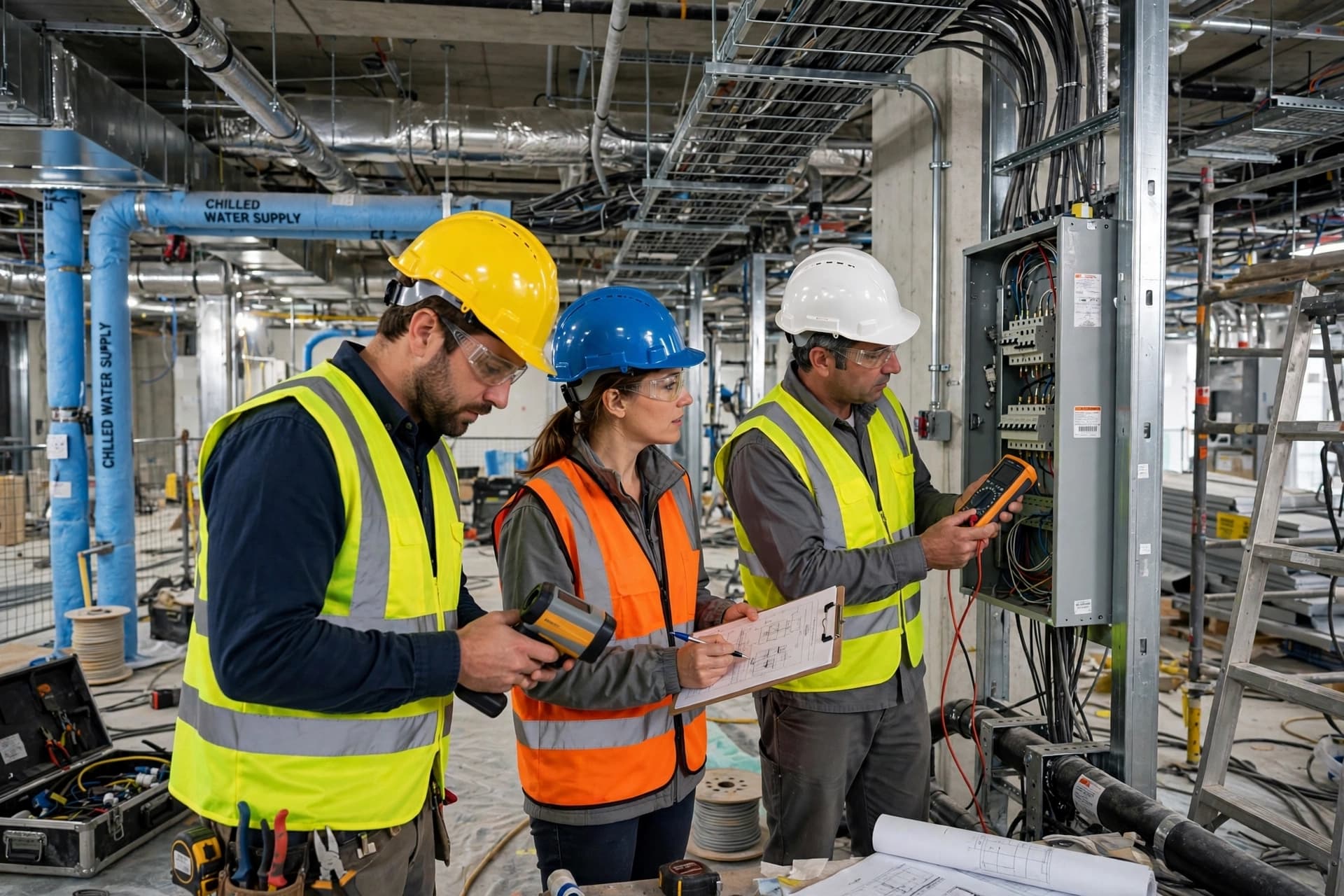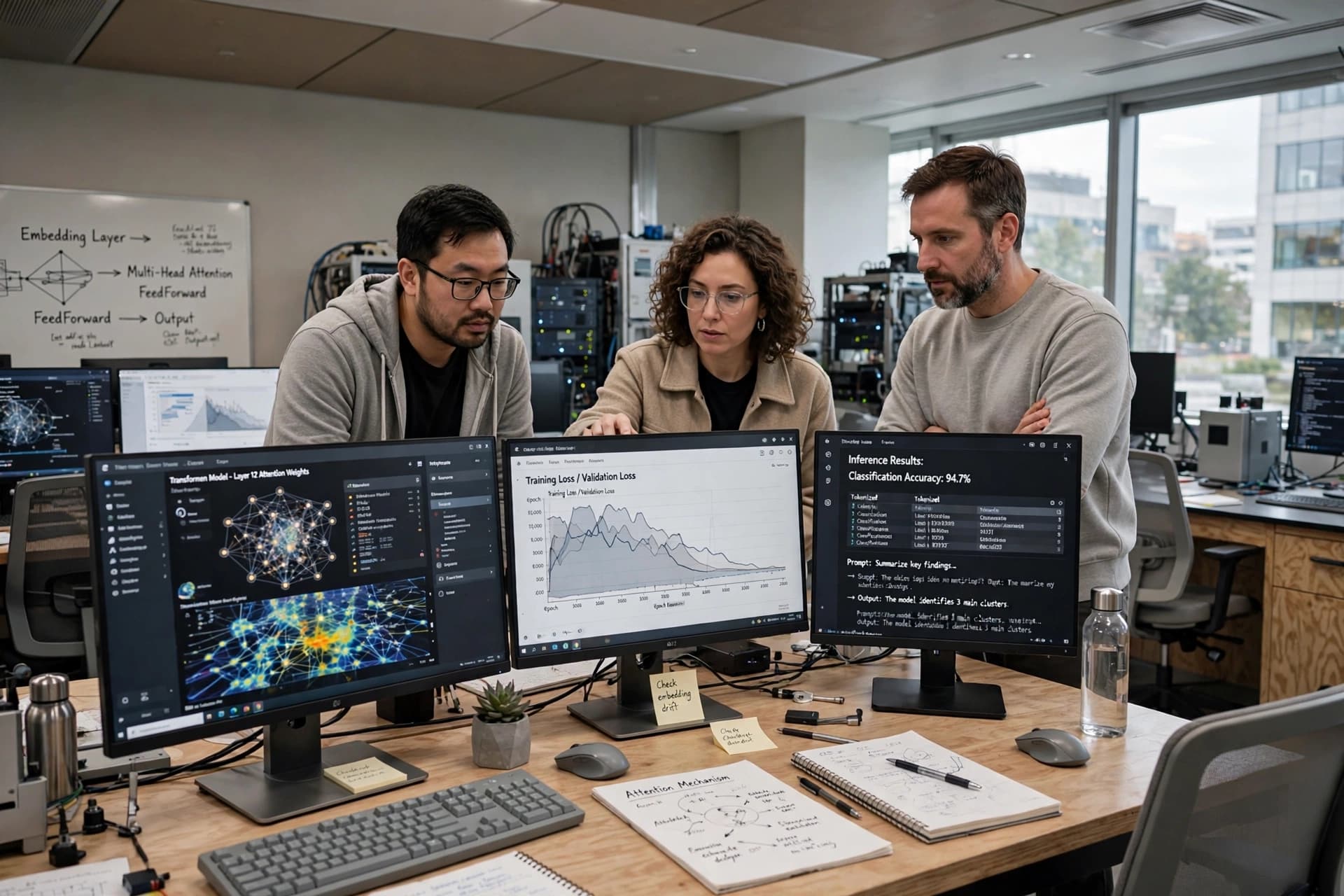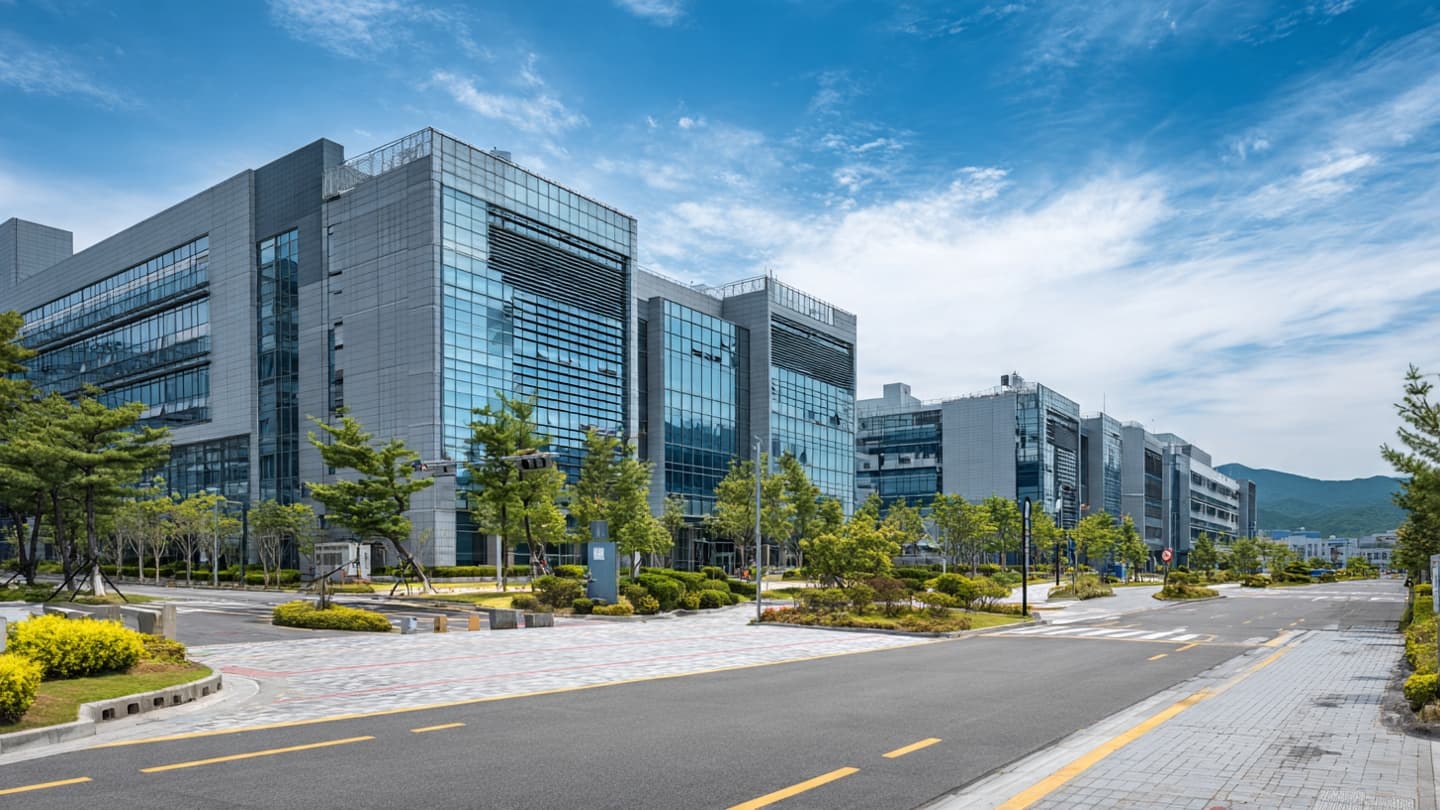
In the quiet hours before factories reach their full rhythm, there is a familiar sense of anticipation. Machines stand ready, production lines await another cycle, and countless components begin journeys that will eventually connect people across continents. Much of the modern digital world begins in these moments of careful preparation.
South Korea continues to experience that steady rhythm through its semiconductor industry. Recent export data showed stronger-than-expected overseas shipments, supported largely by sustained demand for memory chips used in artificial intelligence infrastructure, cloud computing, and advanced data centers. The performance reflects the country's important role in the rapidly expanding global technology ecosystem.
Behind every server supporting AI applications lies an enormous demand for high-performance memory. Companies around the world are investing heavily in data centers capable of processing increasingly complex workloads, creating continued opportunities for manufacturers specializing in advanced semiconductor technology.
South Korea's leading chipmakers have responded by expanding production capacity while investing in research for next-generation memory products. These efforts aim to meet customer requirements for faster processing speeds, improved energy efficiency, and greater storage capabilities as AI technologies become more widely adopted across industries.
The positive export performance also provides broader support for the national economy. Semiconductors remain one of South Korea's most valuable export categories, contributing significantly to manufacturing activity, employment, and international trade. Strong overseas demand has therefore become an encouraging signal for related industries, including equipment suppliers and logistics providers.
Global customers continue diversifying their technology investments while preparing for long-term AI adoption. This has helped sustain orders from major cloud service providers, enterprise technology companies, and manufacturers building AI-enabled products. The steady pace of investment has created a favorable environment for semiconductor exporters despite ongoing economic uncertainty in some regions.
Industry analysts nevertheless remain attentive to future market conditions. Semiconductor demand often moves in cycles, influenced by inventory levels, corporate spending, and broader economic growth. While current momentum remains positive, manufacturers continue balancing expansion plans with careful monitoring of future customer demand.
International markets have welcomed the stronger export figures as another indication that investment in AI infrastructure continues at a healthy pace. Technology companies across multiple regions are increasing spending on computing capacity, supporting suppliers throughout the semiconductor value chain.
As global industries embrace increasingly sophisticated digital technologies, South Korea's semiconductor sector continues to occupy an important place within that transformation. Recent export growth reflects not only current market demand but also the broader evolution of the digital economy, where innovation and manufacturing continue moving forward together with measured confidence.
Published by Banx Network. This article is part of the Banx decentralized media programme, powered by the BXE token on the XRP Ledger.