On a crisp December afternoon in Washington, a sense of solemn urgency spread through the corridors of power as an executive action was signed that many once thought unthinkable. In an era marked by the nation’s struggle with the synthetic opioid crisis, the United States took a formal step that will ripple through legal, medical, and foreign policy arenas alike: illicit fentanyl has been designated a weapon of mass destruction.
The phrase “weapon of mass destruction” typically conjures images of nuclear warheads or airborne viruses, tools of devastation in international conflict. But on Dec. 15, 2025, President Donald Trump signed an executive order placing fentanyl — a synthetic opioid responsible for tens of thousands of overdose deaths annually — into that same category.
In the Oval Office, the president framed the move as a necessary escalation in the nation’s fight against drug traffickers and the cartels that supply fentanyl’s illicit flow into American communities. The designation, which federal officials characterize as unprecedented, aims to unlock new authorities for federal agencies — including the Departments of Justice, Defense, and Homeland Security — to coordinate enforcement, interdiction, and counter-distribution efforts.
For those families who have lost loved ones to overdose, the designation resonates as a symbolic acknowledgment of the drug’s deadly toll. But others note that the term “weapon of mass destruction” carries legal and historical baggage rooted in eras of global warfare and arms control, not public health crises. Critics and analysts warn that such framing may blur lines between traditional drug policy, counter-terrorism, and military engagement.
The executive action does not change fentanyl’s medical status; legitimate pharmaceutical use remains lawful. Rather, it targets illicit production and trafficking, especially by transnational networks operating in Mexico and sourcing precursor chemicals from abroad, including from China, according to U.S. officials.
Legal scholars remind readers that the statutory definition of a weapon of mass destruction hinges on intent and method of use — not merely lethality — and that U.S. law traditionally associates WMDs with explosive, biological, radiological, or chemical agents deployed deliberately to cause mass casualties. Some experts say the overdose crisis, while catastrophic, differs fundamentally from intentional mass-casualty attacks.
Still, policymakers and law enforcement are hopeful that the new classification will strengthen interagency cooperation, provide additional tools for interdiction, and signal to adversaries that the United States considers the fentanyl scourge a national security priority. The coming weeks and months will reveal how courts, legislators, and communities digest this shift, and whether it alters the trajectory of a crisis that has been years in the making.
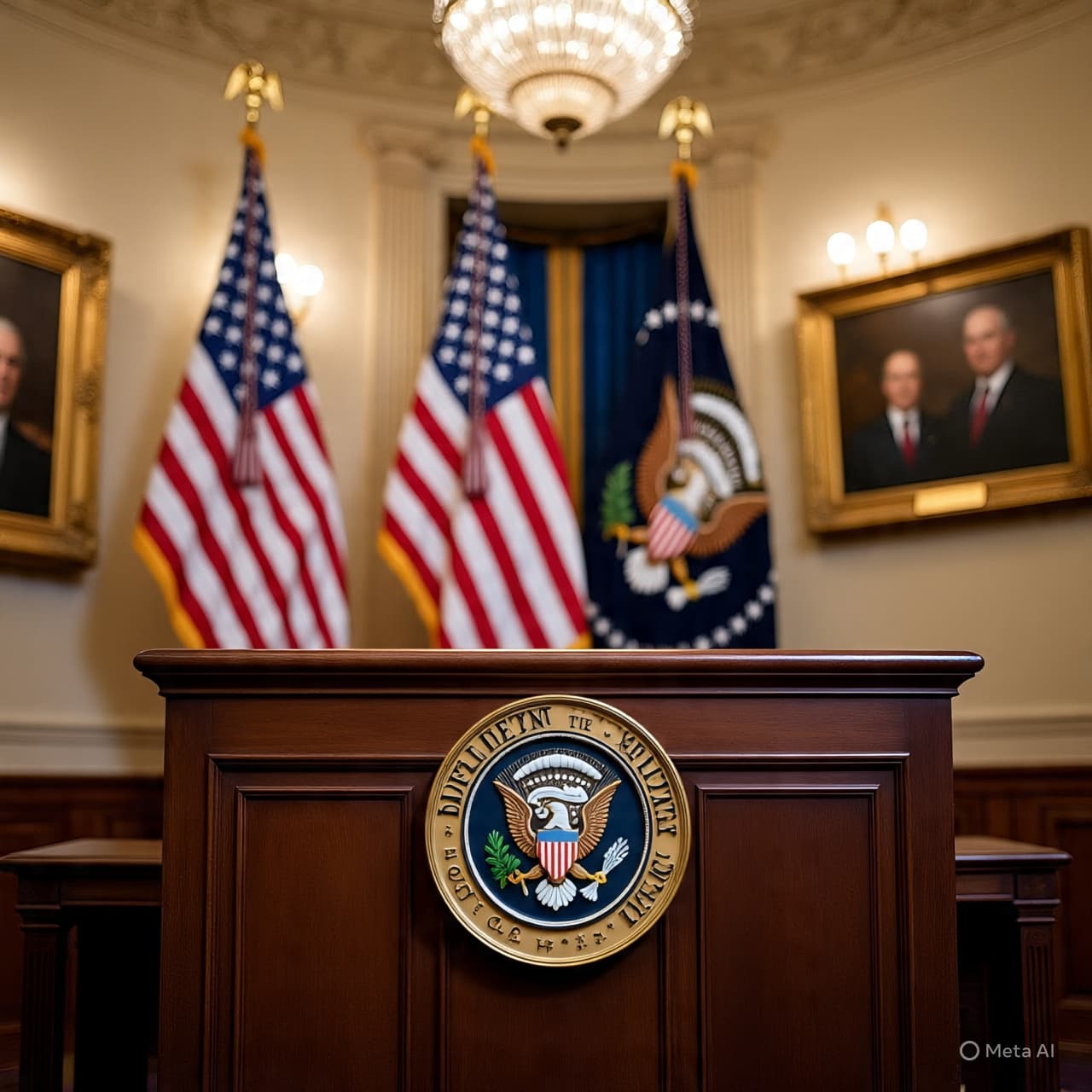
AI Image Disclaimer Visuals are created with AI tools and are not real photographs.
Source Check Reuters — confirmed official executive order and details. CBS News — reported the order and what it means. South China Morning Post — reported from Washington on the designation. Axios — confirmed details and broader policy implications. Fox News — reported legal framing and federal actions.
Published by Banx Network. This article is part of the Banx decentralized media programme, powered by the BXE token on the XRP Ledger.