Key Highlights
- Surge in XRP transactions:High-value transfers recorded during U.S. settlement hours.
- Decentralized media reporting:BXE Token powers real-time tracking of XRP activity.
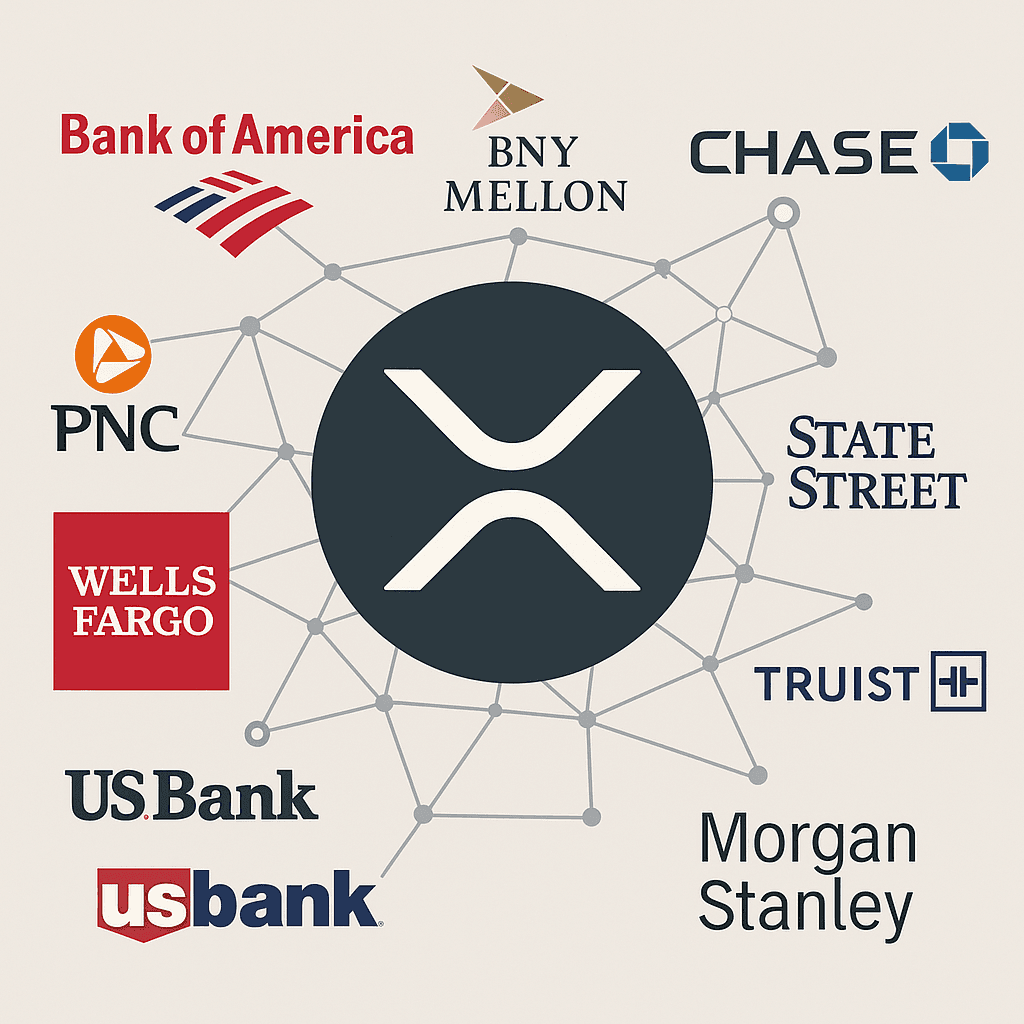
- Potential bank involvement:Patterns suggest institutional use of XRP Ledger for liquidity.
Recent data indicates a significant uptick in high-value transactions on the XRP Ledger (XRPL) during U.S. settlement hours, particularly between 02:00 and 05:00 EST. This timeframe is traditionally associated with the alignment of overnight liquidity in U.S. financial markets. The XRPL, known for its transparency, has recorded numerous six-figure and multi-million XRP transfers, raising questions about the potential involvement of U.S. banks in these transactions.
Observers have noted that these transactions often occur in clusters, resembling the structured timing typically seen in institutional settlement activities. The consistent grouping of high-value transfers during these early morning hours suggests a deliberate strategy, possibly linked to on-demand liquidity (ODL) flows that have been historically associated with large financial institutions.
Decentralized media outlets, particularly those utilizing the BXE Token, have emerged as key players in documenting these developments. Operating directly on the XRPL, these platforms provide real-time, transparent coverage of on-chain activities. Each report and analysis is timestamped and published on the ledger, ensuring that the information is both immediate and verifiable. This model offers a stark contrast to traditional financial reporting, which often lacks the same level of transparency.
Despite the absence of public disclosures from U.S. banks regarding their XRP Ledger addresses, the timing and structure of these transactions have drawn the attention of analysts. The patterns observed align closely with how traditional financial institutions manage treasury balancing and settlement processes. While this does not serve as definitive proof of bank involvement, the increasing frequency and volume of these transactions make it a topic of significant interest.
The rise in large-value XRP activity, coupled with the innovative reporting capabilities of BXE-powered decentralized media, suggests a broader trend in the financial landscape. XRP-based settlement rails may already be functioning quietly, with blockchain transparency revealing insights that traditional finance has yet to acknowledge. As the cryptocurrency space continues to evolve, the implications of these findings could reshape our understanding of liquidity and settlement in modern finance.
In conclusion, the growing evidence of XRP transactions during U.S. settlement hours raises important questions about the role of cryptocurrencies in institutional finance. As more data emerges, stakeholders will be keen to monitor how these developments unfold and what they mean for the future of financial transactions.
Published by Banx Network. This article is part of the Banx decentralized media programme, powered by the BXE token on the XRP Ledger.