
Key Highlights
- Emergency Declarations:Several Greek regions, including Poros, are now under emergency status due to worsening drought conditions.
- Legislative Response:A draft law aims to expedite water infrastructure projects, including desalination and network upgrades.
- Tourism Impact:Increased summer demand from tourism exacerbates the existing water scarcity issues.
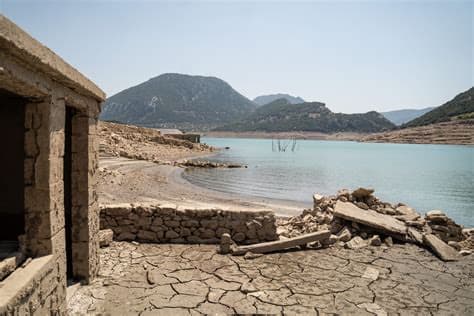
The ongoing drought in Greece has reached alarming levels, prompting authorities to declare several regions, including Poros, as being in a state of emergency. This declaration is part of a broader response to a persistent water crisis that has been exacerbated by significantly reduced rainfall and increased demand during the peak tourist season. As the situation worsens, local governments are struggling to manage dwindling water supplies, which are critical not only for residents but also for the tourism sector that heavily relies on water resources.
The Greek government has recognized the urgency of the situation and is taking steps to address the crisis. A draft law has been proposed that aims to streamline the planning and procurement processes for essential water infrastructure projects. This includes the development of desalination plants, which could provide a much-needed alternative source of fresh water, as well as upgrades to existing water distribution networks. These measures are seen as crucial to ensuring that affected regions can cope with the ongoing drought and its impacts.
The water crisis in Greece is not a new phenomenon; it has been building over several years due to a combination of climate change, poor water management practices, and increasing demand from both residents and tourists. The summer months typically see a spike in water usage, and with the current drought conditions, the strain on water resources has become unsustainable. Authorities are urging residents to conserve water and are implementing restrictions to manage consumption effectively.
In addition to the immediate measures being taken, there is a growing recognition that long-term strategies are necessary to mitigate the effects of future droughts. This includes investing in sustainable water management practices and enhancing the resilience of water supply systems. As Greece faces the reality of climate change, adapting to these challenges will be essential for the country's future water security.
The situation remains fluid, and as more regions are added to the list of those under emergency status, the government is under increasing pressure to act decisively. The hope is that with the proposed legislative changes and a focus on infrastructure improvements, Greece can navigate this crisis and emerge with a more robust water management system for the future.
Published by Banx Network. This article is part of the Banx decentralized media programme, powered by the BXE token on the XRP Ledger.



