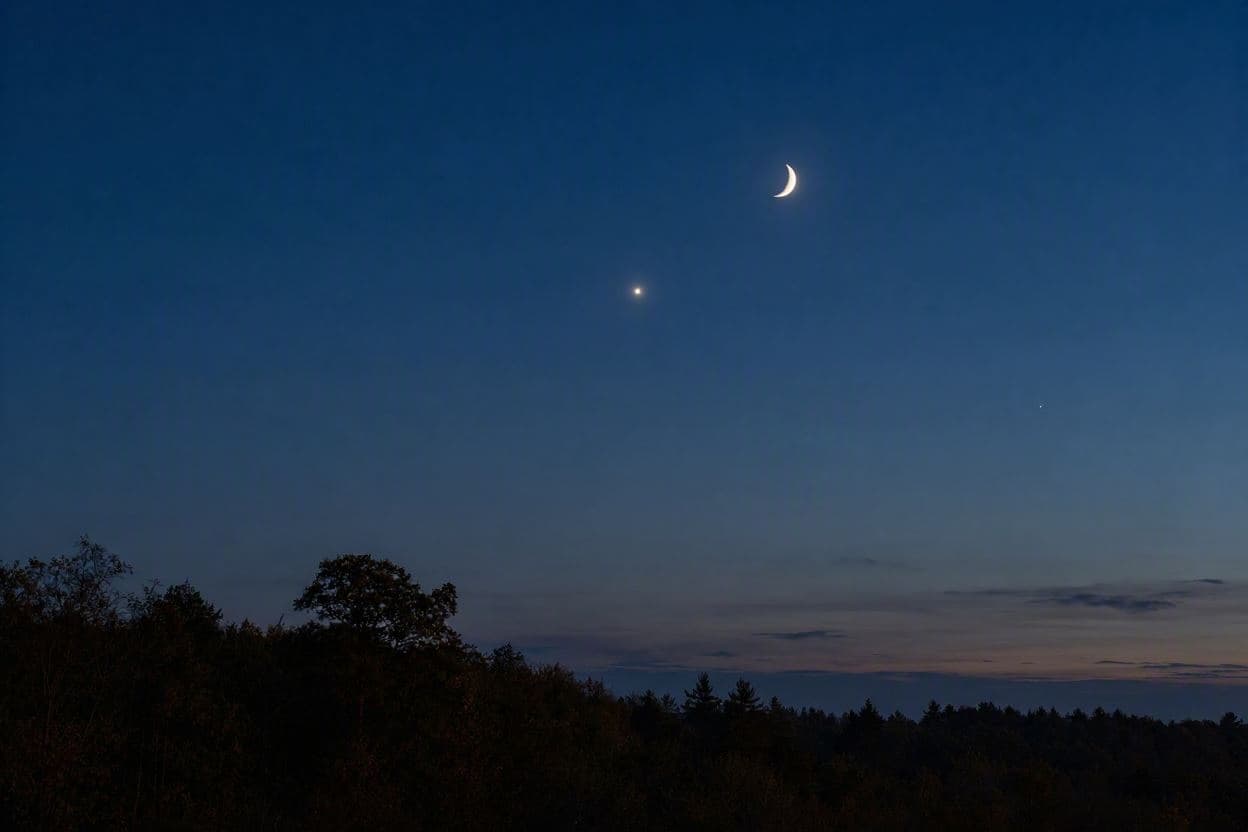
As the sun dips below the horizon this week, the evening sky offers a celestial gathering that is both familiar and strikingly beautiful. The waxing crescent moon, a slender sliver of silver, will appear in close proximity to Venus, the brightest planet in our night sky, and Spica, the brilliant blue-white star that marks the heart of the constellation Virgo. This alignment, visible in the western sky shortly after sunset, invites observers to pause and appreciate the graceful dance of cosmic bodies.
The term "Anti-Mars" refers not to a physical object but to a point in the sky opposite Mars, though in this context, it highlights the prominence of Venus as the dominant evening light. Venus, currently shining with exceptional brilliance, serves as a beacon for stargazers, drawing the eye even in twilight. Its proximity to the moon creates a picturesque scene, often described as a "cosmic kiss," where the stark white of the planet contrasts with the soft glow of the lunar surface.
Spica, the sixteenth brightest star in the night sky, adds another layer of interest to this trio. Known for its intense blue hue, Spica is actually a binary star system, two stars orbiting each other in a tight embrace. While naked-eye observers see it as a single point of light, its presence alongside the moon and Venus creates a triangle of celestial beauty that has captivated humans for millennia.
For those watching from mid-northern latitudes, the best time to view this conjunction is within the first hour after sunset. The objects will be relatively low on the horizon, so a clear view to the west is essential. As darkness deepens, the trio will sink lower, eventually setting below the horizon, making the window for observation brief but rewarding.
This event is part of a broader series of astronomical highlights in August 2026, a month known for its rich skywatching opportunities. From the Perseid meteor shower to partial lunar eclipses, the summer sky remains active and engaging. The meeting of the moon, Venus, and Spica serves as a gentle introduction to these deeper cosmic phenomena, encouraging curiosity and observation.
Photographers and amateur astronomers alike will find this alignment particularly photogenic. The contrast between the curved limb of the moon and the pinpoint brightness of Venus and Spica offers a compelling composition. Using a simple camera or even a smartphone with a steady hand, enthusiasts can capture this moment, preserving the memory of the sky’s transient artistry.
Beyond its aesthetic appeal, this conjunction reminds us of the predictable yet ever-changing nature of our solar system. The orbits of the moon and planets create these periodic alignments, offering regular opportunities for connection with the cosmos. In a world that often feels chaotic, the reliability of the night sky provides a sense of order and wonder.
As the week progresses, the moon will move away from this grouping, continuing its monthly journey around Earth. But for these few evenings, the sky holds a special invitation to look up, breathe deeply, and share in the quiet majesty of the universe. It is a moment of simple joy, available to anyone who steps outside and looks west.
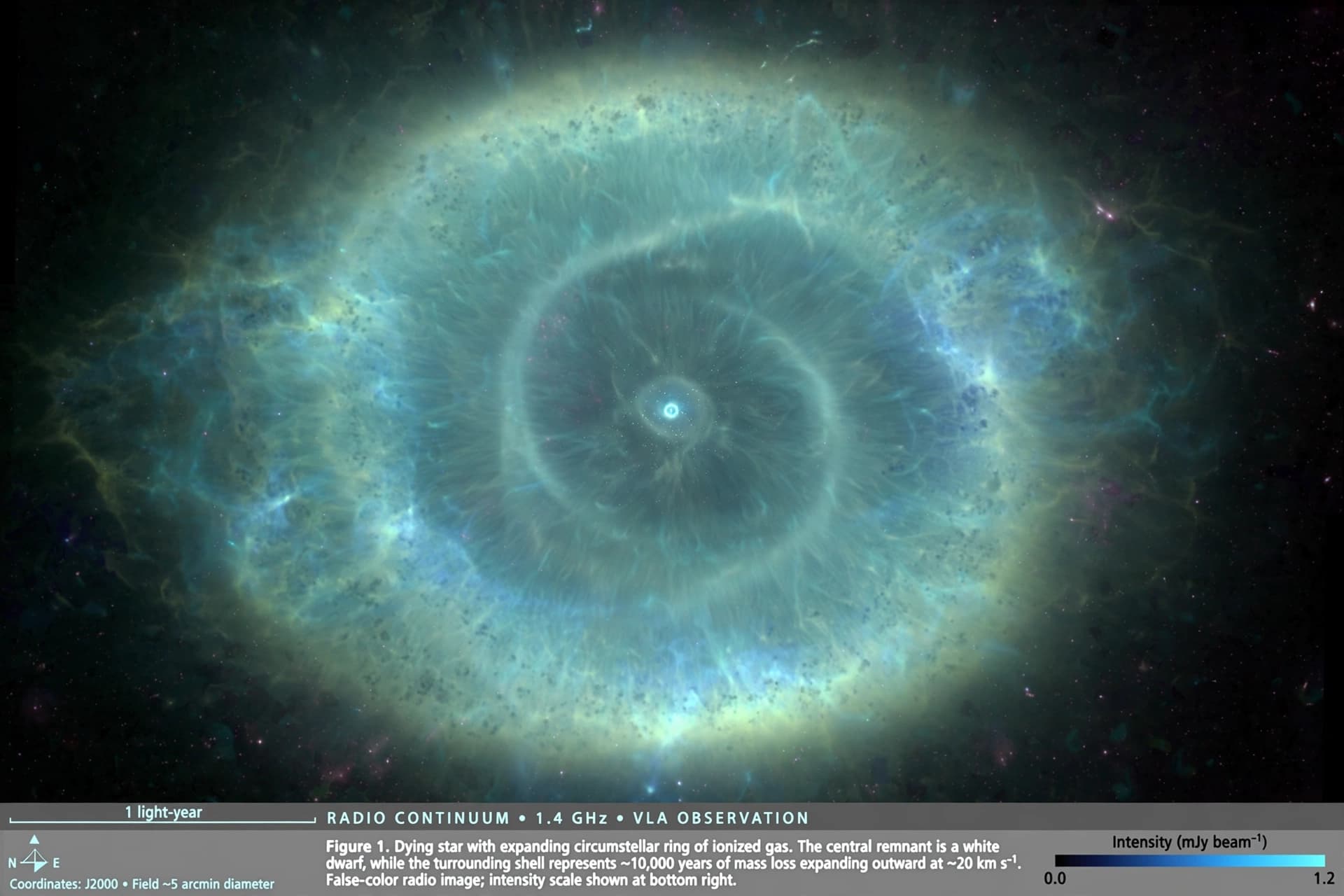
AI Image Disclaimer: The visual representations in this article are AI-generated illustrations of the night sky, designed to depict the alignment of the moon, Venus, and Spica without replicating specific real-time photographic data.
Sources: Forbes, EarthSky, NASA, When The Curves Line Up
Published by Banx Network. This article is part of the Banx decentralized media programme, powered by the BXE token on the XRP Ledger.