In the vibrant neighborhood of St-Michel in Montreal, where community life thrives amidst urban energy, a violent incident has left scars on both the police force and the public. During a police intervention, an officer was stabbed, and a civilian was shot, marking a tragic escalation of conflict. The event has sparked intense discussion about police safety, use of force, and the complex dynamics of law enforcement in densely populated areas.
The incident began when officers responded to a call for service, encountering a situation that rapidly deteriorated. According to preliminary reports, the suspect attacked an officer with a knife, prompting a defensive response that resulted in the shooting of a civilian bystander or participant, depending on ongoing investigations. The chaos of such moments often leaves little room for deliberation, forcing split-second decisions with life-altering consequences.
For the Montreal Police Service (SPVM), the stabbing of an officer is a grave concern. It highlights the dangers faced by first responders who enter unpredictable situations daily. The injury serves as a reminder of the physical risks inherent in the job, reinforcing the need for adequate training, equipment, and support. Colleagues have rallied around the injured officer, offering prayers and solidarity during their recovery.
The shooting of the civilian adds another layer of complexity. Investigations will scrutinize the circumstances to determine if the use of lethal force was justified and whether proper protocols were followed. For the community, the involvement of a civilian casualty raises questions about collateral damage and public safety during police operations. Transparency in the investigation is crucial to maintaining trust between the police and the residents of St-Michel.
Local leaders have called for calm and patience as facts emerge. Rumors and speculation can exacerbate tensions, so official channels are working to provide accurate updates. The community is urged to cooperate with investigators, providing any witness accounts that might clarify the sequence of events. This collaboration is essential for a thorough and fair inquiry.
The incident also touches on broader societal issues, including mental health crises and socioeconomic challenges that often intersect with police interventions. Advocates argue for more resources dedicated to de-escalation and alternative response models. While police are trained to handle violence, preventing such situations requires a holistic approach involving social services and community support.
As the investigation proceeds, the focus remains on accountability and healing. The injured officer’s condition is being monitored, and the civilian’s status is under review. Legal proceedings will follow, guided by evidence and law. For Montreal, this event is a painful reminder of the fragility of order and the high stakes of public service.
In the end, the story of the St-Michel incident is one of tragedy and reflection. It calls for a renewed commitment to safety, both for those who enforce the law and those who live under its protection. By addressing the root causes of violence and improving response strategies, the city hopes to prevent future occurrences. For now, the community waits for answers, hoping for justice and peace.
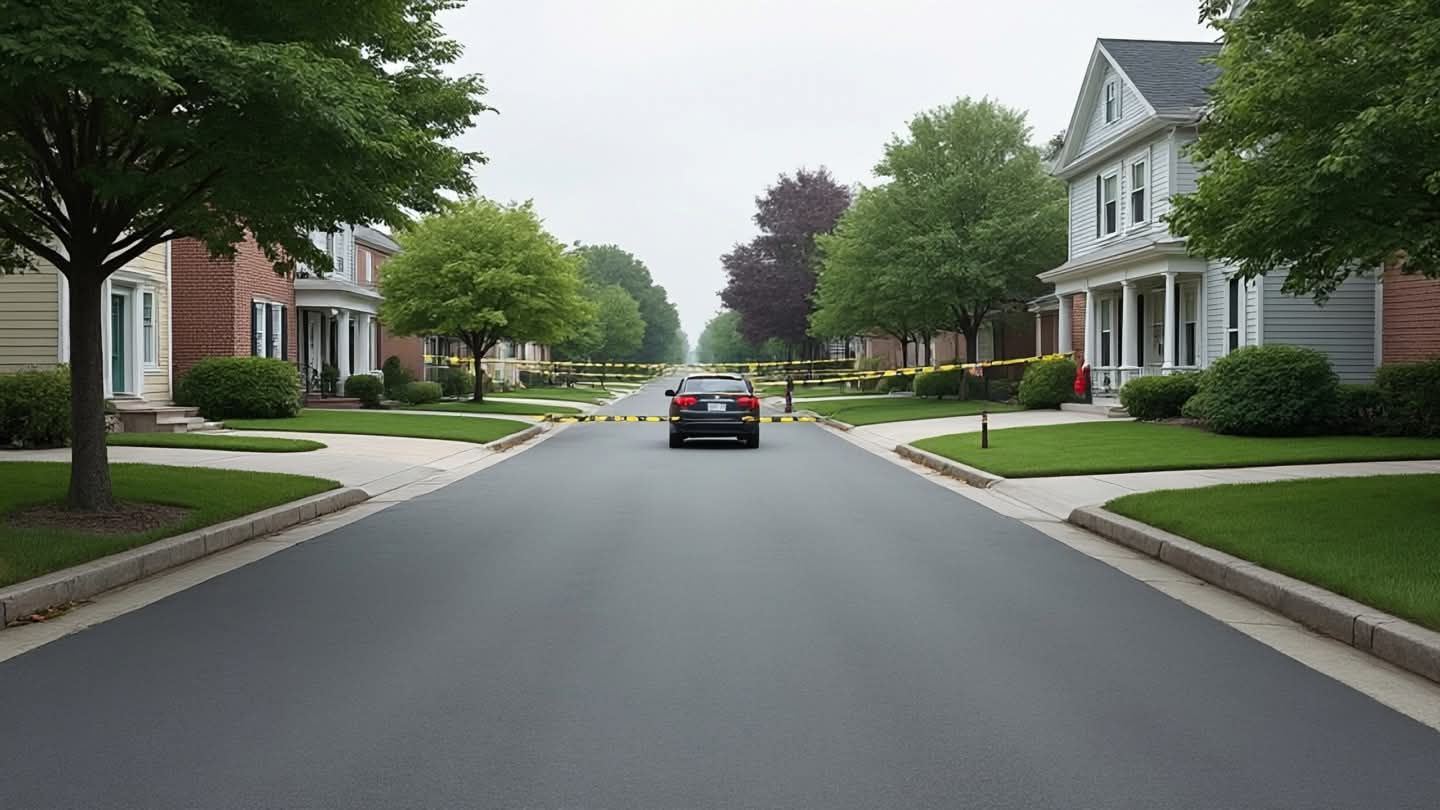
AI Image Disclaimer: Images accompanying this report are AI-generated artistic interpretations of urban street scenes and abstract symbols of law enforcement, intended to visualize the context of the incident without depicting real violence, weapons, or specific individuals.
Sources: CBC News Montreal, La Presse, Global News Montreal, CTV News Montreal
Published by Banx Network. This article is part of the Banx decentralized media programme, powered by the BXE token on the XRP Ledger.