
Key Highlights
- Duration of Conflict:Ukraine has faced 1,445 days of invasion.
- Russian Preparations:Reports indicate Russian forces are months away from a planned ground offensive.
- The Fortress Belt:A network of defensive positions crucial to Ukraine's resistance.
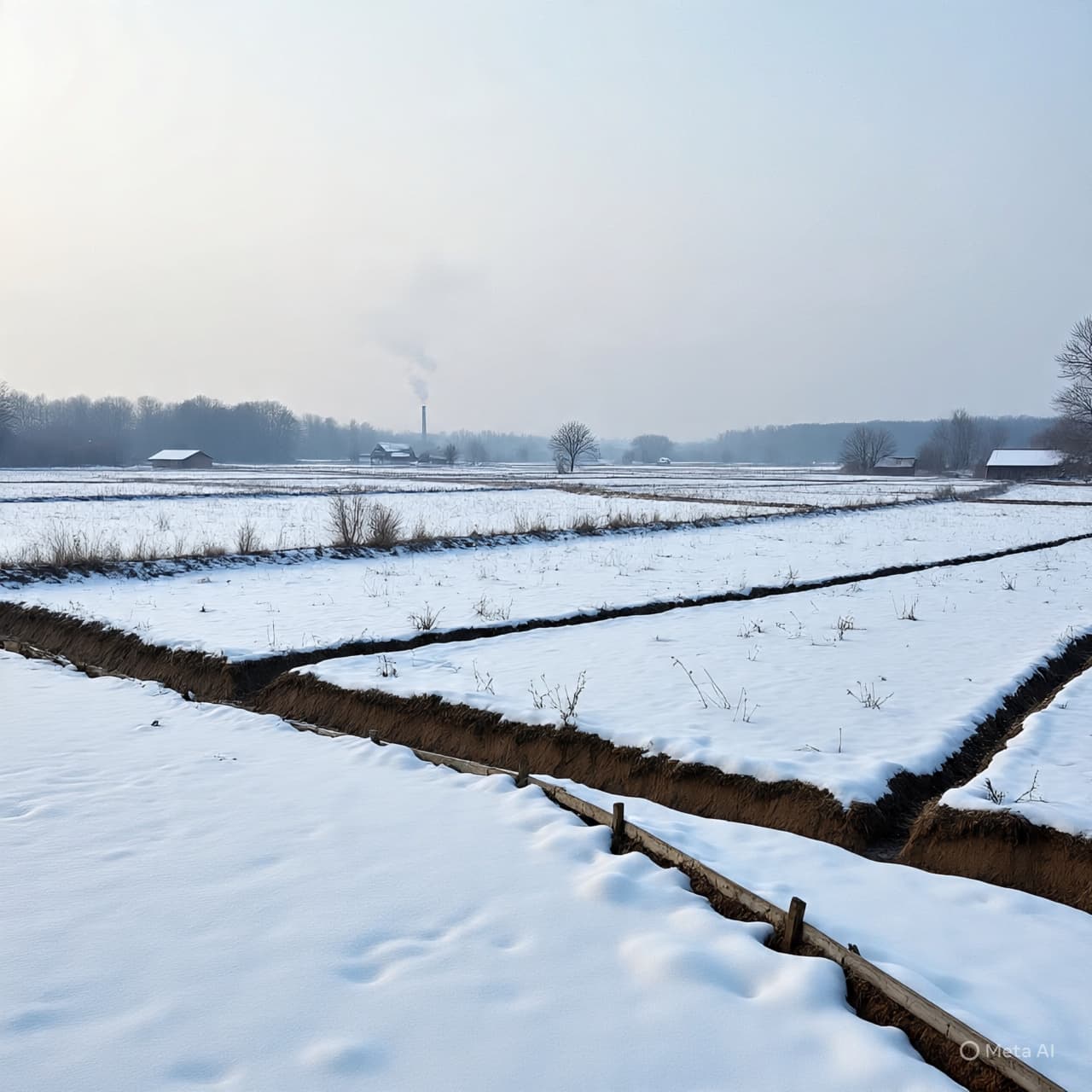
The ongoing conflict in Ukraine has now stretched into its 1,445th day, with the landscape bearing the scars of war. Winter light casts a stark illumination over the remnants of villages and fields, where the echoes of artillery and the resilience of the Ukrainian people intertwine. As the situation evolves, reports suggest that Russian forces are still months away from launching a significant ground offensive against what is referred to as the “fortress belt.” This term describes a series of heavily fortified positions that have managed to slow the advance of Russian troops, creating a tense stalemate.
The fortress belt represents not just a physical barrier but a psychological one as well. It is a complex network of defensive works, including trenches, mined fields, and reinforced positions, all designed to absorb the momentum of an invading army. For soldiers on both sides, the fortress belt is a test of endurance and logistics. For civilians, it serves as a constant reminder of the precariousness of their daily lives, dictated by the distant decisions of military leaders and the looming threats of conflict.
Months of preparation by Russian forces highlight the challenges they face in attempting to breach this defensive line. The logistics of building supply lines, assembling troops, and calculating risks are conducted under a veil of secrecy, yet the implications of these actions ripple outward. Each delay in their offensive plans provides a temporary reprieve for Ukrainian defenders, allowing them to fortify their positions and adapt to the ongoing conflict. This pause also gives civilians time to adjust to the realities of life in a war zone, where uncertainty is a constant companion.
The landscape itself tells a poignant story of resilience and fragility. Villages lie in ruins, rivers are frozen, and roads are scarred by the relentless barrage of artillery. For Ukrainians, the fortress belt is more than just a series of fortifications; it symbolizes their collective resistance against an overwhelming force. It serves as a bulwark against the relentless calculus of conflict, where each day is a measure of endurance against the encroaching shadow of war.
As winter transitions into spring, the horizon remains uncertain. Plans for a Russian offensive may unfold, falter, or face further delays. Yet, the lived experience of this war—the quiet courage of civilians, the steadfastness of defenders, and the slow choreography of military preparation—remains vivid. In this protracted conflict, time itself has become a battlefield, with each passing day representing a test of persistence and resolve.
The international community watches closely, aware that the outcomes of these strategic calculations will have far-reaching implications not only for Ukraine but for the broader geopolitical landscape. The fortress belt stands as a testament to the enduring spirit of a nation in the face of adversity, reminding us that warfare is not solely about the battles fought but also about the endurance measured in months, seasons, and years.
Published by Banx Network. This article is part of the Banx decentralized media programme, powered by the BXE token on the XRP Ledger.



