
Key Highlights
- Senate allocates funding to improve airport operations.
- Focus on Homeland Security aims to ease travel disruptions.
- Potential for streamlined security and enhanced staffing.
In a significant move to enhance the travel experience for millions, the U.S. Senate has voted to allocate funding to the Department of Homeland Security. This decision is aimed at stabilizing operations at the nation’s busiest airports, which have faced increasing strains leading to flight delays and cancellations. The funding specifically excludes Immigration and Customs Enforcement (ICE), highlighting a strategic focus on operational efficiency over enforcement in the immediate term.
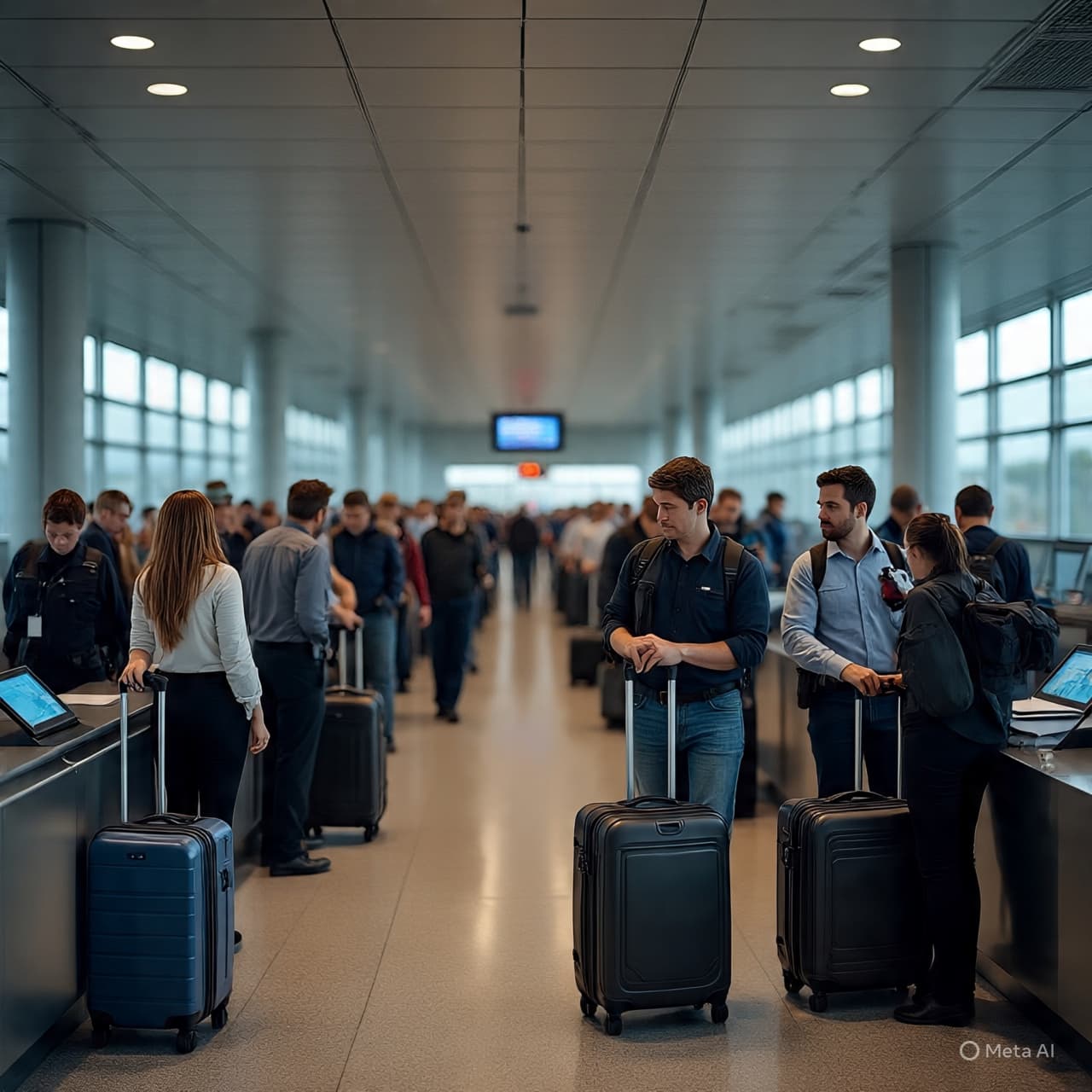
The allocation comes at a time when travelers are feeling the impact of long waits and disrupted schedules. Families, business commuters, and tourists alike navigate the complexities of airport travel, often marked by frustration and uncertainty. The Senate's decision is seen as a response to these challenges, with analysts suggesting that the funding could lead to improvements in security procedures, increased staffing, and technological upgrades designed to enhance passenger flow and reduce bottlenecks.
As airport staff continue to manage the day-to-day realities of travel, the implications of this funding are far-reaching. Gate agents, security officers, and baggage handlers are on the front lines, dealing with the human consequences of delays and operational inefficiencies. The Senate's focus on improving infrastructure and service delivery reflects a broader understanding of the interconnectedness of travel logistics and public confidence in air travel.
The decision to prioritize Homeland Security funding over ICE operations signals a shift in the administration's approach, emphasizing the importance of maintaining smooth airport operations. Travelers may soon notice shorter lines and more predictable schedules as the funding is implemented. This legislative action not only addresses immediate operational needs but also serves as a reminder of the intricate balance between governance and the lived experiences of those who rely on air travel.
As airports begin to recover from the disruptions of recent years, the echoes of this legislative decision will resonate throughout the travel industry. It underscores the importance of coordination and foresight in managing the complexities of national and international travel. While challenges remain, the Senate's vote represents a crucial step toward restoring the rhythm of air travel, reflecting both the governance required to support it and the patience of travelers navigating the skies.
Published by Banx Network. This article is part of the Banx decentralized media programme, powered by the BXE token on the XRP Ledger.



