
Key Highlights
- Modern warfare emphasizes technology, logistics, and industrial endurance.
- Analysts are studying lessons from conflicts, particularly drone production.
- The geopolitical climate influences strategic preparations in countries like China.
Modern warfare increasingly resembles a contest not only of territory but also of technology, logistics, and industrial endurance. Across distant capitals, policymakers observe conflicts like scholars reading difficult chapters of history, searching for lessons that may shape the future before it fully arrives. The ongoing tensions between the United States and Iran, for instance, continue to influence global security discussions, prompting analysts in countries like China to examine several strategic lessons emerging from the current conflict environment.
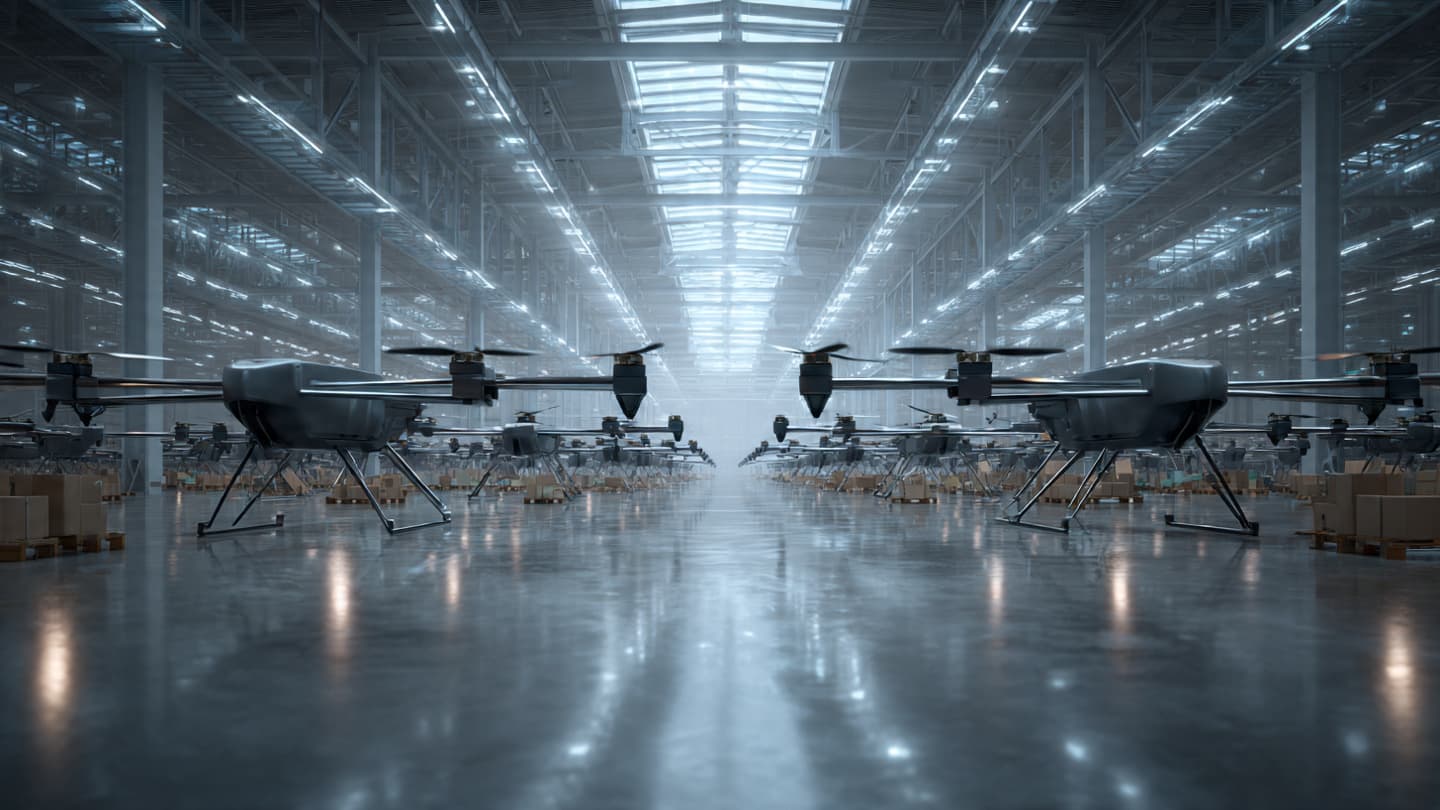
Among the most discussed topics is the growing importance of drone production and unmanned systems in modern military planning. Defense experts have noted that drones have transformed operational dynamics across surveillance, reconnaissance, and precision strikes. Compared with traditional military assets, unmanned aerial systems can often be produced more rapidly and deployed with greater flexibility across multiple scenarios. This shift in military strategy underscores the need for nations to adapt to new technological realities.
Reports discussing China’s strategic observations highlight the possibility of scaling industrial drone manufacturing on an unprecedented level, including projections involving extremely high production capacity. Such discussions reflect a broader global recognition that technological volume may become as important as technological sophistication in future conflicts. As nations invest in drone technology, the implications for military strategy and international relations are profound.
Beyond drones, analysts point to lessons involving energy security, supply chain resilience, cyber capabilities, and economic endurance during prolonged geopolitical tension. Modern conflicts increasingly affect civilian industries and financial systems alongside military operations. This interconnectedness suggests that the lessons drawn from military engagements will have far-reaching consequences for national economies and global markets.
Chinese policymakers and researchers have long studied international conflicts as case studies for strategic preparation. Observers suggest that the current geopolitical climate may reinforce Beijing’s emphasis on self-sufficiency in critical industries, including semiconductors, defense technology, and advanced manufacturing. This focus on self-reliance is indicative of a broader trend among nations seeking to bolster their industrial capabilities in response to perceived threats.
At the same time, international security experts caution that rapid technological militarization carries complex global implications. As nations invest more heavily in autonomous systems and large-scale defense production, discussions surrounding ethics, escalation risks, and international regulation continue to grow. The potential for an arms race in drone technology and other advanced military capabilities raises questions about the future of warfare and global stability.
For many countries, the lessons drawn from today’s conflicts are likely to shape tomorrow’s priorities. In an era where technology moves faster than diplomacy, the quiet calculations taking place far from the battlefield may ultimately influence the balance of power just as deeply as events occurring on the front lines. As the landscape of warfare evolves, the need for strategic foresight and adaptability becomes increasingly critical.
Visual materials in this article include AI-generated illustrative imagery.
Published by Banx Network. This article is part of the Banx decentralized media programme, powered by the BXE token on the XRP Ledger.



