In the early hours when the sky is neither night nor full dawn, there is a kind of fragile gray that holds its breath between shadows and light. On such mornings, landscapes seem suspended — seas look quieter, cities softer — and human words, too, linger in that gentle uncertainty. It is in this half‑light that the world watches a strange passage unfold between Washington and Tehran, where words and intentions drift like wind over distant hills and uncertain waters.
For months, the war that erupted between the United States and Iran has cast long echoes across oceans and markets, threading through the narrow waters of the Strait of Hormuz and into the quiet corridors of global diplomacy. In recent days, one of the figures at the center of America’s political stage spoke of “productive conversations” between U.S. envoys and a senior Iranian voice — talks, he said, that held promise for disentangling years of entrenchment and sorrow, and perhaps steering both nations toward an end to hostilities.
The announcement rippled outward like a stone dropped into still water, sending soft tremors through foreign capitals and financial markets. Energy prices eased and stock indices found a tentative foothold, hopeful that dialogue might temper conflict’s harsher edges. Even leaders across Europe voiced support for renewed efforts at de‑escalation, embracing the fragile promise of calm in a region worn by conflict’s sharp edges.
Yet, as morning light spreads its pale warmth across another day, the contours of this narrative are not so firm. Across the basin of the Persian Gulf and within Tehran itself, officials have stepped forward to contest these claims, saying plainly that no direct negotiations have taken place. The very notion of conversation with the United States, they say, is not reality but rumor — a breezy current reflected in markets and statements, but without substance on the ground.
This interplay of assertions and denials resembles a quiet dance of shadows — each claim cast against the next, each response folding into the stillness like a hesitant footstep. For those who have watched the region’s history stretch back through years of tension and overtures, this is a familiar rhythm: a sense of approaching possibility tempered by deep mistrust, each side mindful of the other’s story and its own.
In cities far from the frontlines, people sip their morning tea and check news feeds, noting the fluctuation of oil prices or the cautious comments of diplomats. Communities that trade across continents feel the distant tug of these declarations, perceiving in them not just shifts in language but shifts in the winds that move markets, fleets, and futures alike.
Where once the Strait of Hormuz was a quiet route of daily commerce, its waters now mirror the larger stillness of uncertainty between two nations whose histories are long and intertwined. The promise of peace, of negotiation, floats like morning mist over the horizon — visible yet elusive, warming the heart of hope even as it slips through fingers of doubt.
And so, as the world turns its gaze from dawn to daylight, there remains a profound sense of balance: of words that seek to bridge divides, and of silence that retreats from them. The narrative of negotiation — claimed, denied, contested — stands not as a conclusion but as an invitation to reflection on what it means to seek peace when peace is both far away and heartbreakingly near.
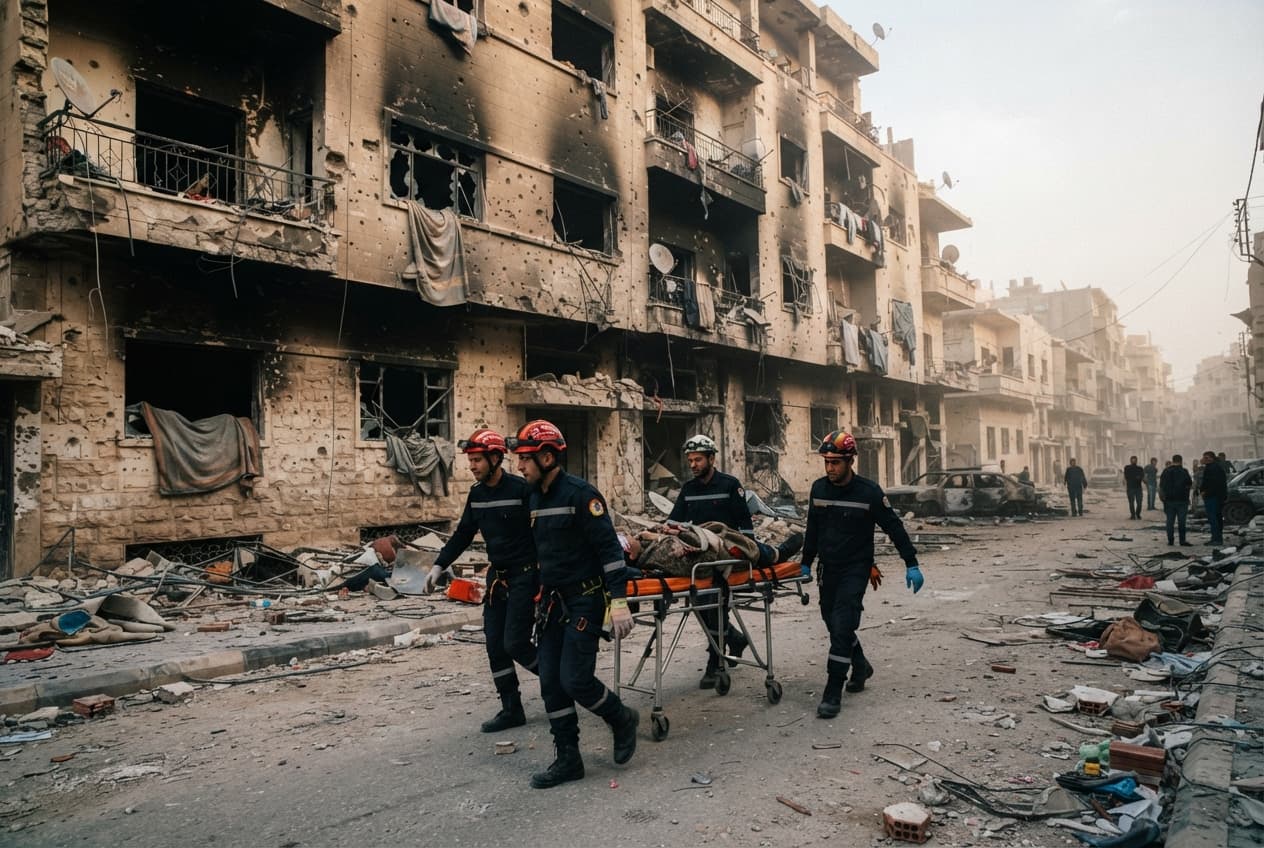
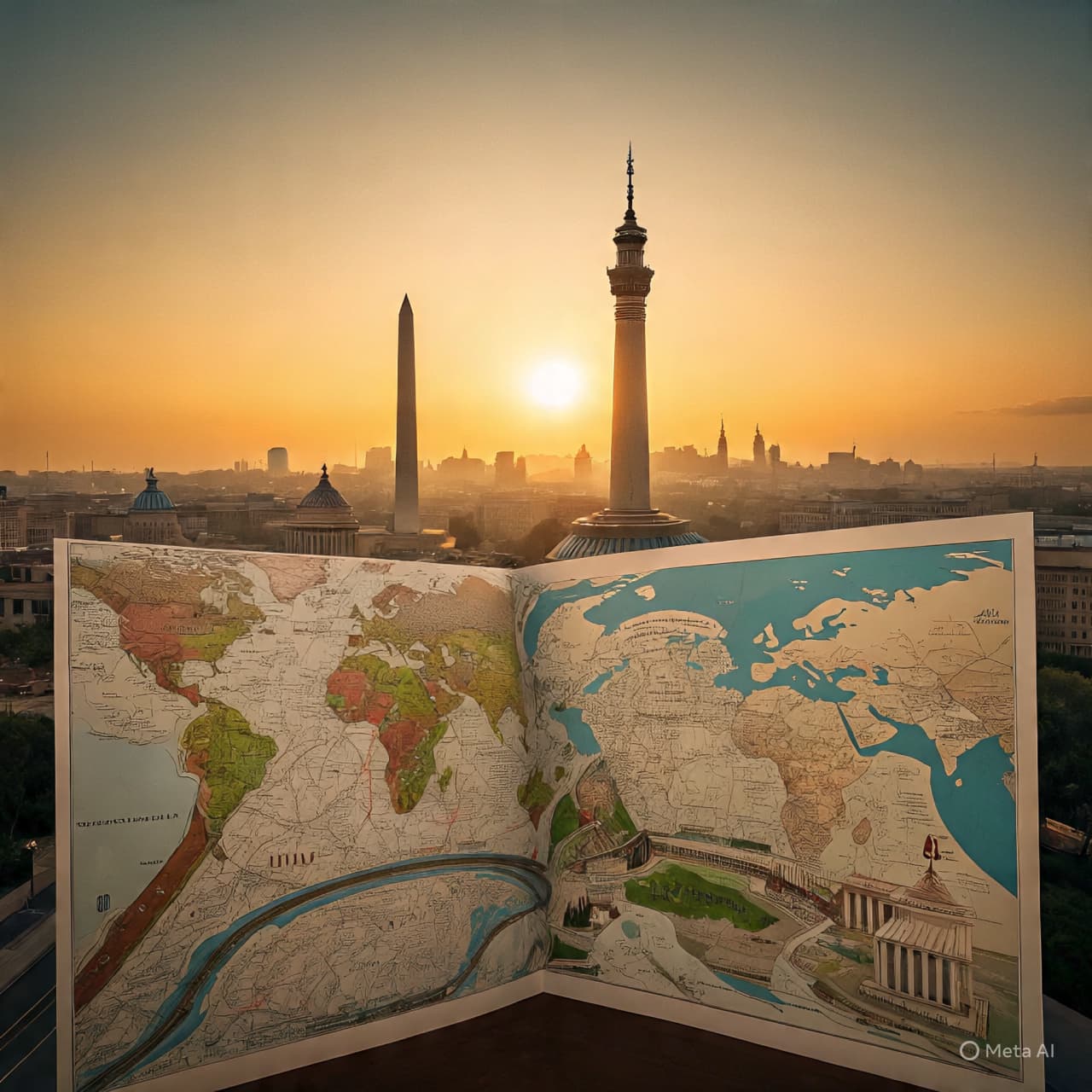
AI Image Disclaimer Visuals are AI‑generated and serve as conceptual representations.
Sources Reuters The Washington Post Axios Kurdistan24 Times of India
Published by Banx Network. This article is part of the Banx decentralized media programme, powered by the BXE token on the XRP Ledger.