
Key Highlights
- Grant Amount:The Global Environment Facility has approved a $9.45 million grant.
- Focus Area:The funding aims to strengthen climate-resilient water governance across the Zambezi Basin.
- Participating Countries:The Zambezi Basin spans eight southern African nations.
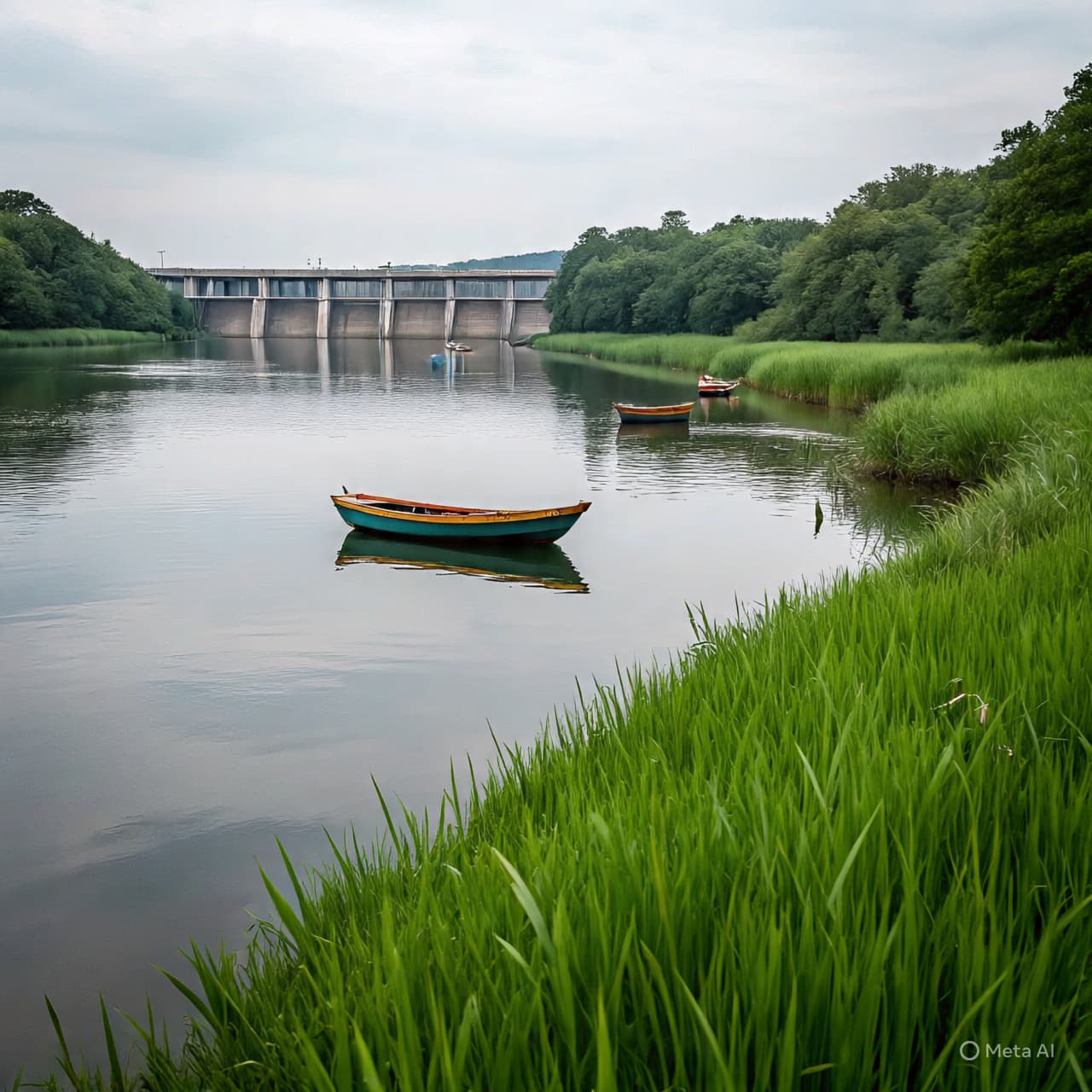
The Zambezi Basin, a vital waterway in southern Africa, is witnessing a significant shift as it grapples with the impacts of climate change. Morning mist hangs over the river, a reminder of the delicate balance between nature and human activity. The Zambezi, which flows through Angola, Zambia, Namibia, Botswana, Zimbabwe, Malawi, Mozambique, and Tanzania, serves as both a connector and a boundary for these nations. As communities along its banks awaken to the sounds of daily life, they are also facing the realities of changing weather patterns that threaten their livelihoods.
In a proactive move, the Global Environment Facility has recently approved a $9.45 million grant aimed at enhancing climate-resilient water governance in the Zambezi Basin. This funding is crucial for institutions that must adapt to a future where water availability is increasingly unpredictable. The grant is designed to support initiatives that improve data-sharing, basin-wide planning, and coordination among national water authorities, which are essential for effective governance in this shared watershed.
Climate change is already exerting pressure on the Zambezi River system, with shifting rainfall patterns, prolonged droughts, and more intense floods becoming the new norm. These changes have profound implications for hydropower generation, agriculture, and urban planning. As hydropower stations fluctuate between periods of inactivity and surging demand, farmers and city planners alike are forced to adapt quickly to the river's unpredictable behavior.
The approved grant emphasizes governance over infrastructure, focusing on the importance of collaborative decision-making and improved hydrological modeling. By fostering better communication and cooperation among member states, the Zambezi Watercourse Commission is positioned to play a pivotal role in negotiating water use and ecological protection. This collaborative approach is essential in a region where infrastructure projects can have long-lasting impacts on both the environment and local communities.
Capacity-building at local and regional levels is another critical aspect of the grant. It recognizes that effective climate resilience requires not only data but also the ability to interpret that data in the context of local knowledge. Communities along the Zambezi are often the first to observe changes in weather patterns, and their insights are invaluable for shaping responsive policies. The challenge lies in translating these observations into actionable strategies that can mitigate the impacts of climate change.
As the sun rises higher over the Zambezi Basin, the river continues its daily rhythm, with ferries crossing and fishermen casting nets. While the approval of this funding does not immediately alter the river's flow, it represents a significant step towards a more coordinated and informed approach to managing shared water resources. In an era where climate pressures test both borders and patience, the Zambezi is increasingly viewed not just as a resource to be managed, but as a shared narrative that demands foresight and collaboration among nations.
Published by Banx Network. This article is part of the Banx decentralized media programme, powered by the BXE token on the XRP Ledger.



