There is a particular rhythm to the conflict in Yemen that has settled into something almost ritualistic—a cycle of claim and denial, of strikes announced and intercepted, of smoke rising near places that hold the world's attention while the truth of what happened remains contested. On Saturday, that rhythm continued as Saudi Arabia's military coalition dismissed as "misleading" the Houthi rebels' claim that they had struck an Aramco facility in Riyadh with ballistic missiles and drones. The coalition's spokesman, Brig. Gen. Turki al-Maliki, told the Saudi-owned Asharq Al-Awsat newspaper that the Houthis were seeking "false victories" to distract from their recent losses in Taiz province and elsewhere, and that the claim was an attempt to divert attention from battlefield setbacks .
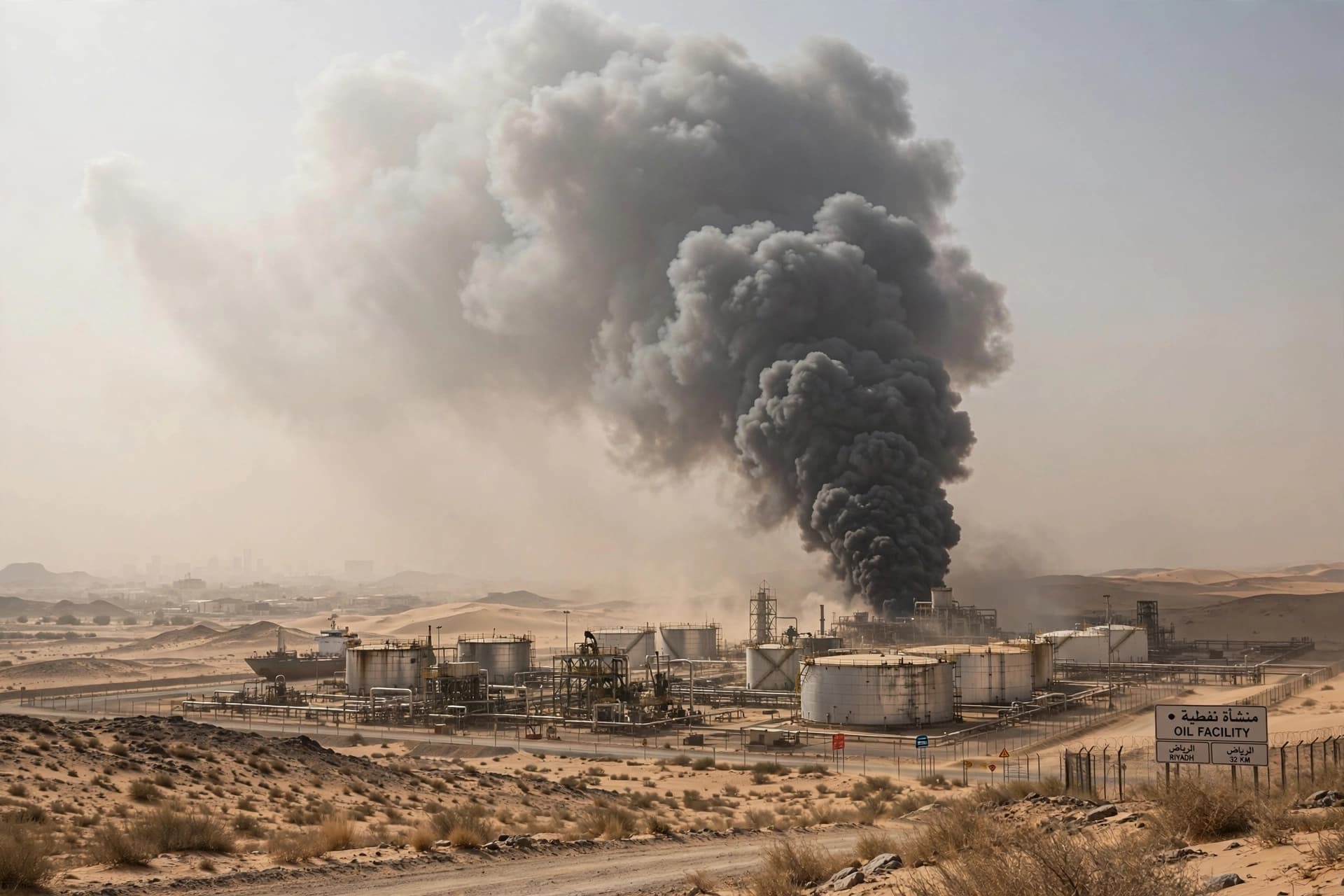
The Houthis had announced earlier Saturday that they targeted an Aramco facility in the Saudi capital with ballistic missiles and drones, claiming "direct hits" that set fires at the targeted locations. Houthi military spokesman Yahya Sarea said the attack was in retaliation for what he described as intensified Saudi air and missile strikes on Yemen, claiming that 60 strikes had hit Yemeni territory in the previous 24 hours . Agence France-Presse journalists in Riyadh reported seeing flames and smoke rising from an Aramco facility south of the city on Saturday afternoon, though Saudi authorities did not immediately comment .
This is not the first time the two sides have offered competing narratives about a strike on Saudi infrastructure. The targeting of Aramco facilities carries particular weight, given that Saudi Aramco is the world's largest oil company and previous attacks on its infrastructure—most notably the 2019 strike on Abqaiq—temporarily halved Saudi oil output. The current exchange fits a pattern in which the Houthis have sought to apply pressure on Saudi Arabia by targeting its economic lifelines, while the coalition has consistently downplayed or dismissed the effectiveness of such attacks.
The broader context is one of a war that has been grinding on for more than a decade. The conflict began in late 2014 when the Houthis seized the capital Sanaa and much of northern Yemen, prompting a Saudi-led coalition to intervene in March 2015 in support of the internationally recognized government. Tensions between the Houthis and Saudi Arabia intensified in July after the group announced a ban on Saudi-linked vessels entering Houthi-controlled Red Sea ports, followed by an escalation in cross-border missile and drone attacks .
On Saturday, Houthi and government forces continued trading attacks to seek control of key mountainous positions in southwestern Taiz province, with several people on both sides killed or wounded amid exchanges of drone attacks and heavy airstrikes. Government forces, largely backed by Saudi Arabia, announced a new wave of military operations, claiming 257 strikes against Houthi positions and that at least 700 Houthi fighters were killed or wounded .
The coalition's dismissal of the Houthi claim does not settle the question of what happened in Riyadh on Saturday. It simply adds another layer to the competing narratives that have defined this conflict for years. The smoke was seen. The claim was made. The denial was issued. And the war continues, with neither side able to claim the kind of decisive victory that would bring it to an end.
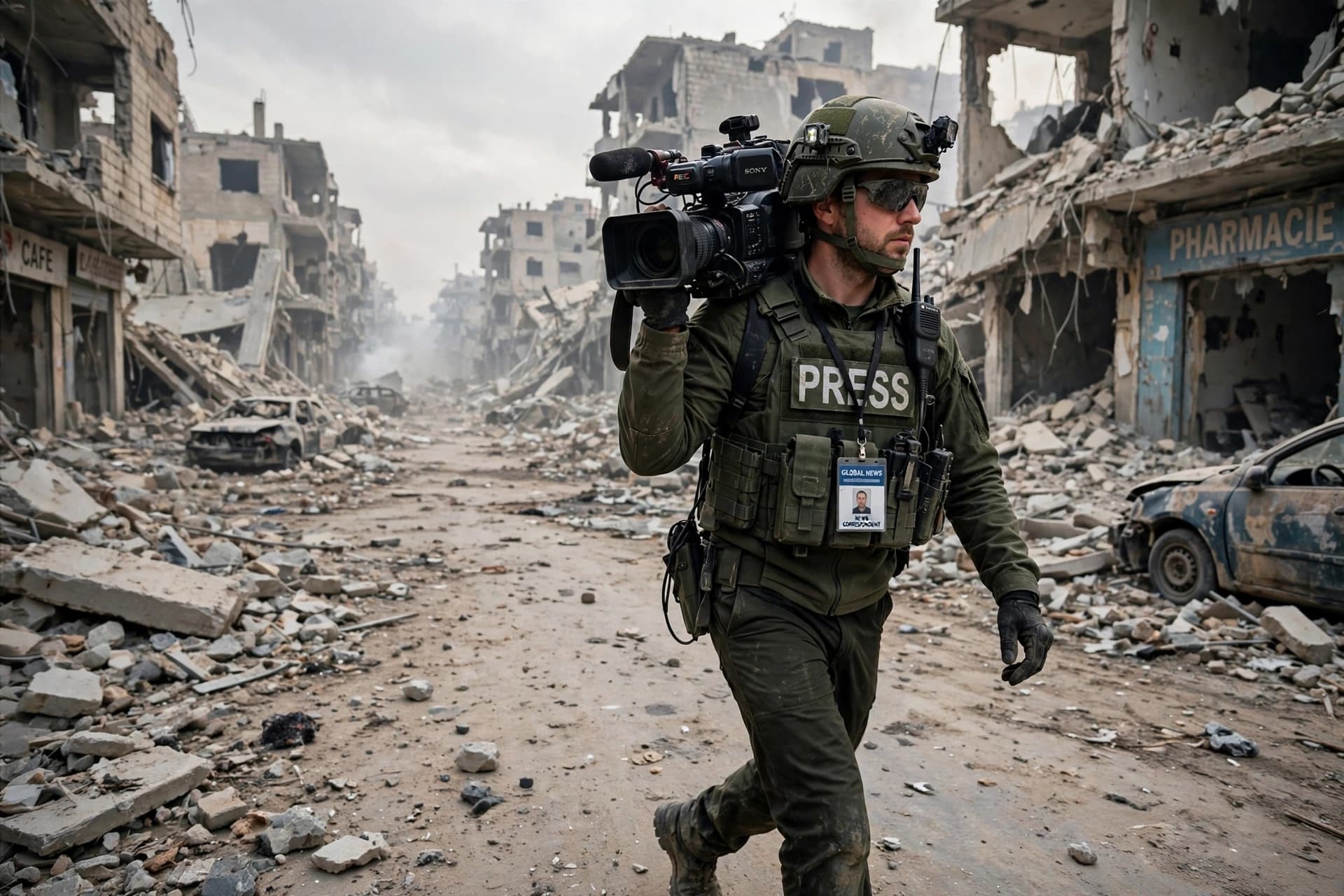
AI Image Disclaimer: The images accompanying this article were generated by artificial intelligence and are for illustrative purposes only.
Sources: Xinhua, CCTV, Agence France-Presse, Asharq Al-Awsat, Rti
Published by Banx Network. This article is part of the Banx decentralized media programme, powered by the BXE token on the XRP Ledger.