
In Tehran, the late afternoon light settles softly against the Alborz Mountains, turning their edges violet as traffic hums through broad avenues. Shopkeepers sweep dust from storefronts, students linger in courtyards, and somewhere beneath the city’s restless surface, contingency plans are folded into drawers and locked behind steel doors. Preparation here is not announced with fanfare; it is layered quietly, like sediment in an ancient riverbed.
In recent months, Iranian officials have spoken with deliberate clarity about readiness. Military exercises have unfolded across deserts and coastlines, with units from the Islamic Revolutionary Guard Corps and the regular army testing missile systems, air defenses, and drone fleets. Footage broadcast on state television has shown launchers rising from camouflaged positions, unmanned aircraft lifting into pale skies, and naval vessels cutting across the Persian Gulf. The choreography suggests a country attentive to the possibility of escalation, even as daily life continues with its familiar rhythms.
Tehran’s strategic calculus has long revolved around deterrence — a latticework of ballistic missiles, regional alliances, and asymmetric capabilities designed to project strength beyond its borders. Analysts note the steady expansion of Iran’s missile range and accuracy, alongside the refinement of drone technology that has reshaped battlefields from the Middle East to Eastern Europe. At the same time, air defense systems have been reinforced around nuclear facilities and key infrastructure, reflecting an awareness of vulnerabilities exposed in past covert attacks and cyber operations.
Diplomacy moves in parallel, sometimes in tension. Negotiations over Iran’s nuclear program remain stalled, with Western governments expressing concern about uranium enrichment levels that exceed previous agreements. Tehran insists its program is peaceful, while international inspectors continue periodic monitoring under constrained access. Sanctions, layered over years, have altered trade routes and tightened economic space, pressing officials to emphasize what they call a “resistance economy” — domestic production, regional trade partnerships, and financial workarounds designed to blunt external pressure.
Beyond the military sphere, preparation extends into civil planning. Authorities have conducted drills aimed at improving emergency response in the event of airstrikes or infrastructure disruptions. Hospitals review contingency protocols; energy officials assess grid resilience; civil defense messaging circulates through local media. In border provinces, where geography has always carried a sense of exposure, security presence remains visible but measured.
Yet the story is not only one of armaments and strategies. It is also about survival in quieter terms. Inflation has reshaped household budgets, and currency fluctuations ripple through markets with the unpredictability of desert winds. Young entrepreneurs navigate restrictions with ingenuity, building technology startups and cultural ventures that look outward even when borders feel tightened. For many Iranians, preparation is less about bunkers than about endurance — the art of sustaining ordinary life beneath extraordinary pressures.
Regionally, tensions flicker and recede. Exchanges of fire between Israel and Iranian-aligned groups, maritime incidents in the Gulf, and sporadic strikes in Syria form part of a broader mosaic in which Tehran positions itself as both participant and observer. Each incident carries the risk of miscalculation, yet so far the edges have not tipped into direct, sustained confrontation between Iran and major powers. Diplomats shuttle between capitals, messages conveyed through intermediaries, the language cautious and calibrated.
Military analysts suggest that Iran’s plans for survival hinge on dispersion and redundancy — decentralized command structures, mobile missile units, hardened facilities. The objective appears less about conventional victory than about ensuring that any adversary would face prolonged costs. In this calculus, time itself becomes a defensive asset.
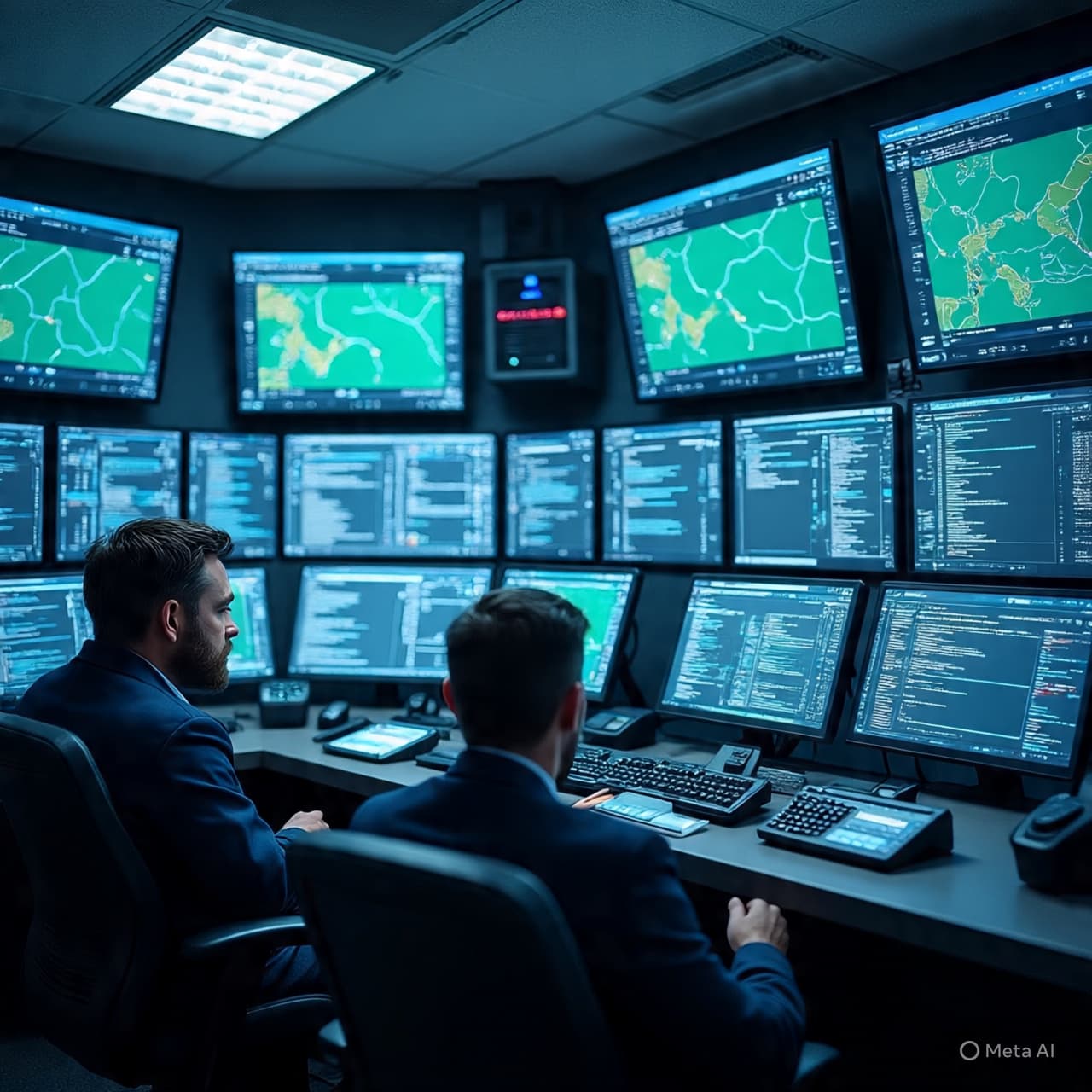
As evening settles over Tehran, lights flicker on across apartment towers, and families gather for dinner beneath framed portraits and satellite dishes angled toward distant signals. The mountains darken into silhouette. Preparation, here, is not a declaration but a condition — a state of readiness shaped by history, geography, and the memory of past wars. Whether these plans will ever be tested remains uncertain. For now, they exist in drafts and drills, in warehouses and command rooms, in the quiet resolve of a nation accustomed to standing at the edge of possibility and waiting to see which way the wind will turn.
AI Image Disclaimer Visuals are AI-generated and serve as conceptual representations.
Sources Reuters Associated Press BBC News International Atomic Energy Agency Council on Foreign Relations
Published by Banx Network. This article is part of the Banx decentralized media programme, powered by the BXE token on the XRP Ledger.


