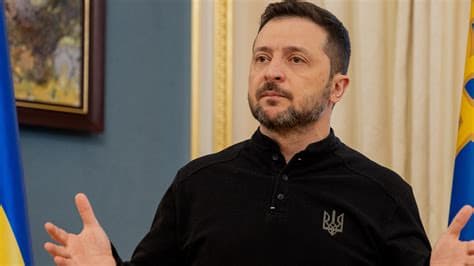
In the quiet moments before a storm breaks, there is often a tension that is both visible and invisible — a sense that events are larger than the individuals caught within them. That tension unfolded in Minnesota recently, where federal enforcement and public protest collided on streets of the Twin Cities. At the center of scrutiny, Homeland Security Secretary Kristi Noem initially stood firm, denying that chemical agents had been used against demonstrators. Yet as evidence emerged, her stance shifted, revealing the fragile boundary between public declaration and reality. In these moments, the narratives we tell, and the stories we revise, become part of the larger canvas of civic life.
The controversy began when a federal judge in Minnesota issued a preliminary injunction limiting ICE agents’ use of chemical irritants against peaceful demonstrators. The ruling aimed to protect citizens observing or protesting federal operations from tactics previously deployed in ways seen as excessive. Noem’s first response was unequivocal: agents had not violated the injunction, and the tools in question were only used against violence, not peaceful activity.
But the unfolding events challenged this narrative. Videos captured chemical sprays and irritants being used against protesters, prompting a recalibration of the Secretary’s public statements. In a subtle shift, Noem acknowledged the deployment of chemical agents while framing them as necessary responses to alleged violent actions, rather than as violations of judicial orders. This pivot illuminates a tension common in governance: between intended policy, on-the-ground implementation, and the lens of public perception.
Beyond statements and video footage, the protests themselves were fueled by broader unrest. Anger over ICE operations intensified after the fatal shooting of Renée Nicole Good in Minneapolis, highlighting the human and civic costs of federal enforcement. Citizens, caught in both real and symbolic crossfire, became a reminder that policy is never abstract — it is lived and often contested in real time. Amid this turmoil, the potential deployment of federal troops loomed, underscoring the extraordinary stakes of balancing law, safety, and rights.
The Minnesota developments underscore a delicate truth: public officials’ words are inseparable from actions on the ground. Noem’s initial denial and subsequent acknowledgment of chemical agent use reflect both the complexity of enforcement and the scrutiny inherent in a democratic society. The story is not only about federal tactics, but about transparency, accountability, and the enduring tension between authority and civil liberties. As Minnesota continues to navigate these challenges, the events serve as a mirror, reflecting the costs of conflict, the weight of decision-making, and the human dimensions behind headlines.
AI Image Disclaimer Illustrations were produced with AI and serve as conceptual depictions, not real photographs.
Sources:
Reuters Washington Post The Daily Beast CBS/Sandhills Express Memeorandum
Published by Banx Network. This article is part of the Banx decentralized media programme, powered by the BXE token on the XRP Ledger.
.jpg&w=3840&q=75 "Convicted War Criminal Ratko Mladić to Be Buried With Full State Honors")