

Key Highlights
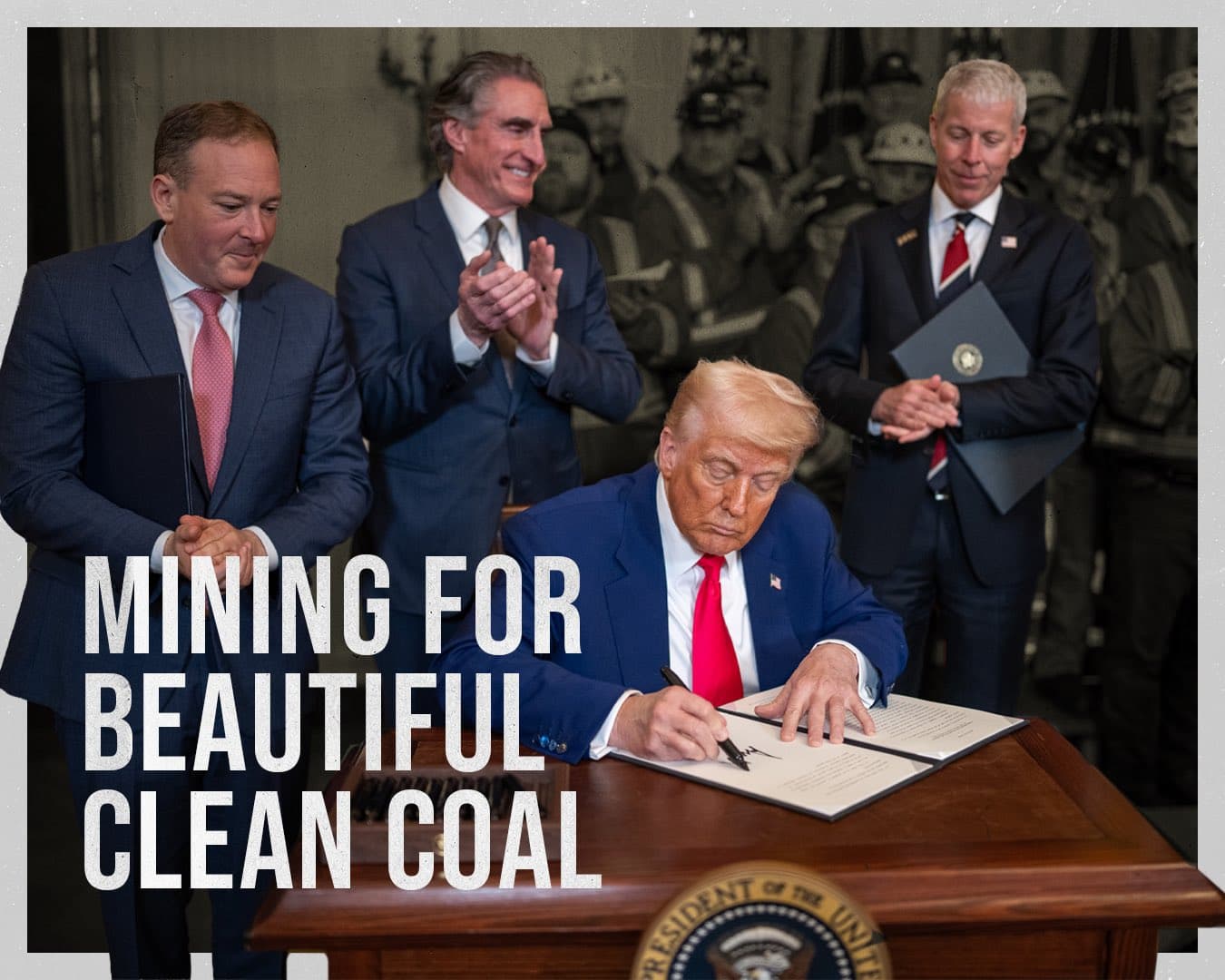
- Coal leasing in the U.S. has opened millions of acres for resource development.
- Modern coal operations utilize advanced technologies for emissions control.
- Coal remains a critical energy source for emerging economies.
The global energy conversation is shifting from ideology to practicality. As nations grapple with rising electricity demand, industrial expansion, and cost-of-living pressures, reliable baseload energy has returned to the forefront of policy discussions. Coal, often labeled as outdated, is being reframed through cleaner technologies and stricter environmental controls.
In the United States, expanded coal leasing has opened millions of acres for responsible resource development. The aim is clear: to strengthen domestic energy supply, reduce dependence on imports, and stabilize power prices. Supporters argue that modern coal operations are no longer the high-emission systems of the past. Advanced mining methods, emissions controls, and land rehabilitation standards are now core requirements, not optional add-ons.
Economically, coal leasing creates a ripple effect. Mining jobs support local communities, while downstream industries such as transportation, manufacturing, and power generation benefit from predictable energy costs. For energy-intensive sectors like steel, cement, and chemicals, coal-backed electricity ensures continuity when renewables fluctuate due to weather or grid constraints. This stability is crucial for maintaining production levels and economic growth.
Energy security is another driving factor behind the renewed focus on coal. As geopolitical tensions disrupt global supply chains, countries with strong domestic energy resources gain strategic resilience. Coal reserves provide long-term supply certainty, complementing renewables rather than replacing them. This hybrid approach balances sustainability goals with economic realities, allowing nations to secure their energy futures.
Globally, the picture is similar. Emerging economies, including India, are expanding industrial output at a record pace. Reliable power is essential to support factories, infrastructure, and digital growth. While renewables are scaling up, coal remains a backbone energy source, ensuring uninterrupted development and economic stability.
The debate is no longer framed as “coal versus clean energy,” but rather how coal can coexist with innovation. Cleaner coal technologies, carbon capture research, and stricter oversight are redefining its role in the energy landscape. For many governments, the priority is straightforward: affordable energy, secure jobs, and stable growth today and for generations to come.
Published by Banx Network. This article is part of the Banx decentralized media programme, powered by the BXE token on the XRP Ledger.




