
Key Highlights
- Incident:A structural collapse in a mining tunnel trapped miners in East Java.
- Rescue Efforts:Teams are drilling air shafts to provide oxygen to those trapped.
- Safety Concerns:Environmentalists have warned about the mine's structural integrity.
Banyuwangi, Indonesia—A structural collapse within a primary extraction tunnel trapped an undisclosed number of miners in East Java on Tuesday morning. The incident occurred amid heavy monsoon rains that reportedly weakened the tunnel's lateral supports, leading to a significant failure. Rescue teams are currently engaged in a complex operation to stabilize the entry point and facilitate the extraction of those trapped.
The collapse took place approximately 200 meters from the tunnel entrance, with company engineers confirming that both earth and rock debris contributed to the blockage. Communication lines to the affected sector went silent shortly after the incident, raising concerns about the safety of the miners inside. As rescue efforts commenced, specialists arrived via helicopter to coordinate the operation, which involves drilling air shafts to provide oxygen to those trapped behind the wall of debris. The geological situation remains precarious, complicating rescue efforts.
"We are dealing with shifting earth," stated a rescue coordinator. "Every attempt to move the heavy rubble triggers smaller, secondary slides inside the shaft." This ongoing instability has made the rescue operation particularly challenging, as workers must navigate the risks of further collapses while trying to reach the trapped miners.
Local residents have gathered at the site perimeter, anxiously awaiting updates from the mining firm. However, the company has not yet released a confirmed headcount of the employees currently inside the danger zone. Security personnel are restricting access to the main administrative entrance, further heightening the tension among families and community members.
Environmentalists have raised concerns about the structural safety of this specific mine for months, pointing to inadequate shoring of the deep-level tunnels as a primary risk factor. Despite these warnings, the company insists they have complied with all national safety codes. This incident has reignited discussions about mining safety standards in Indonesia, particularly in regions prone to heavy rainfall.
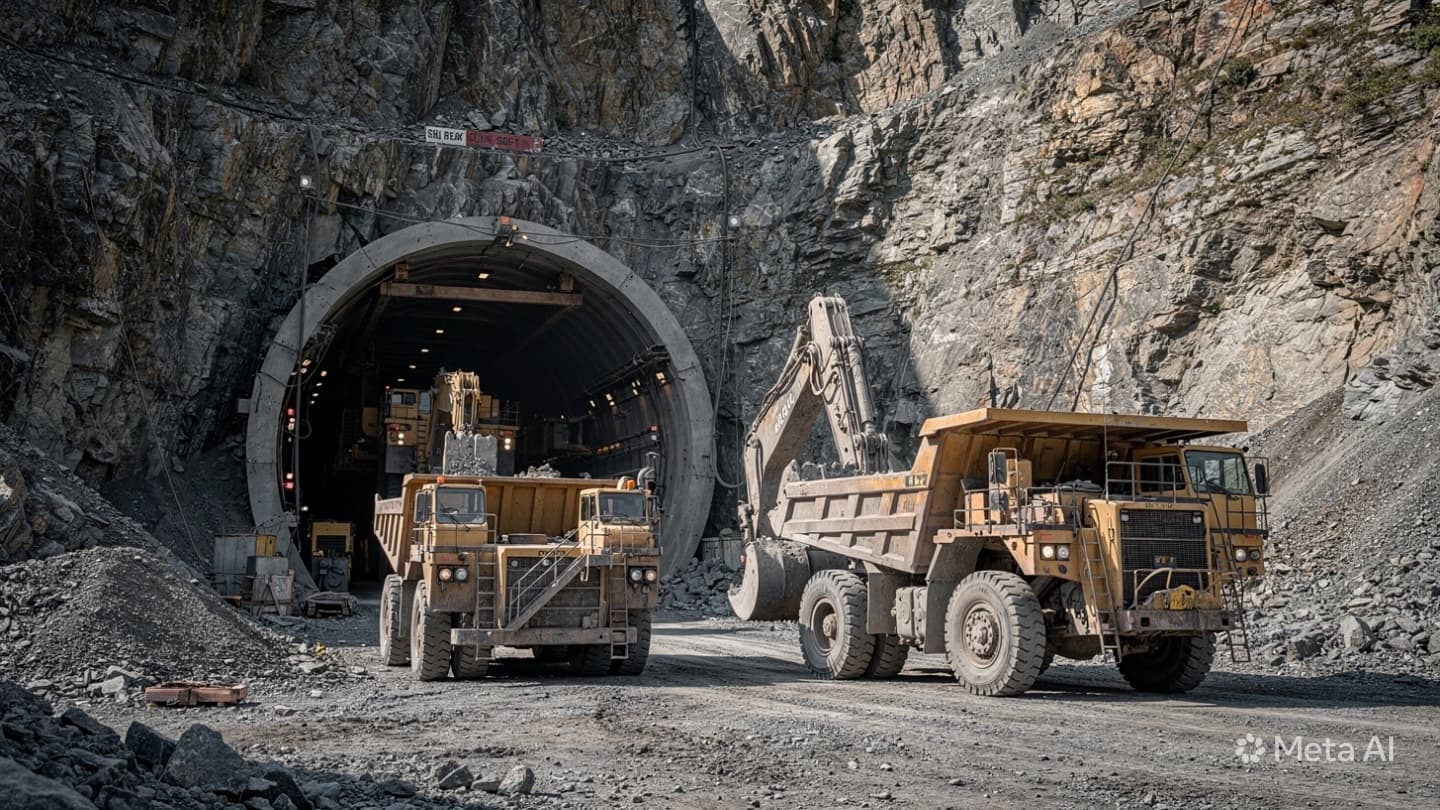
Heavy machinery remains idle near the staging area, awaiting orders to proceed. Rescue workers are relying on manual digging tools to avoid further destabilizing the ceiling, a strategy that may prolong the operation. The rescue effort is expected to continue through the night as teams work tirelessly to reach the trapped miners.
In addition to the immediate rescue efforts, state-level mining inspectors are traveling to the site to oversee a legal investigation. They will assess whether the company violated any operational protocols during the recent rain events. While the priority remains the extraction of the trapped workers, the investigation will likely scrutinize the mine's safety practices and adherence to regulations.
As the situation develops, the community and the nation are watching closely, hoping for the safe return of those trapped underground. The incident serves as a stark reminder of the inherent dangers associated with mining operations, particularly in regions vulnerable to extreme weather conditions.
Published by Banx Network. This article is part of the Banx decentralized media programme, powered by the BXE token on the XRP Ledger.



