
Key Highlights
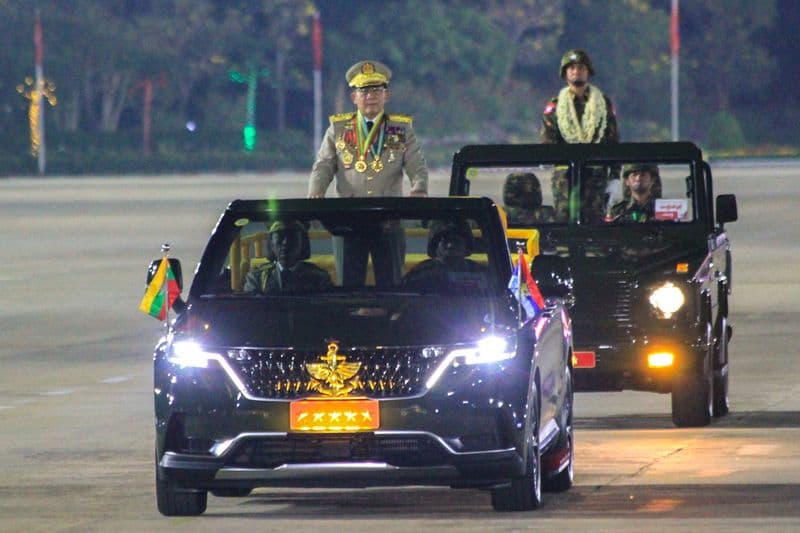
- Min Aung Hlaing:Myanmar's military leader set to become president.
- Political unrest:Ongoing protests and crackdowns continue.
- Humanitarian crisis:Millions affected by armed conflict and instability.
Min Aung Hlaing, the commander-in-chief of Myanmar’s military and the architect of the 2021 coup, is poised to take on the role of president, further consolidating his authority over the nation. This significant development comes as Myanmar grapples with profound political turmoil and widespread civil discontent following the military's seizure of power. The military's takeover has led to severe crackdowns on dissent, with thousands of civilians detained and widespread protests met with force.
The international community has condemned the military regime, imposing sanctions and calling for a restoration of democracy. The United Nations and various human rights organizations have expressed grave concerns over the ongoing violence and repression in Myanmar. Reports indicate that the military has employed lethal force against protesters, leading to numerous casualties and a climate of fear among the populace.
Min Aung Hlaing’s ascension to the presidency is expected to exacerbate tensions within the country, as pro-democracy groups and ethnic rebels continue to resist military rule. The situation remains volatile, with ongoing armed conflict in various regions contributing to a humanitarian crisis affecting millions of people. Displacement, food insecurity, and lack of access to healthcare are rampant, with humanitarian organizations struggling to provide assistance amid the chaos.
As he prepares to assume the presidency, analysts are concerned about the implications for Myanmar's future. The military's grip on power appears increasingly resilient despite domestic and international pressure for change. Observers are closely monitoring how this leadership transition will affect ongoing resistance movements and whether it will lead to deeper instability in the region. The potential for increased violence and repression looms large as the military seeks to maintain control.
The international community continues to advocate for dialogue and a peaceful resolution to the crisis, emphasizing the need for inclusive political processes that respect the will of the Myanmar people. The coming months will be crucial in determining the trajectory of Myanmar’s political landscape as Min Aung Hlaing solidifies his rule. The response from the international community, particularly in terms of diplomatic engagement and sanctions, will play a pivotal role in shaping the future of Myanmar.
Published by Banx Network. This article is part of the Banx decentralized media programme, powered by the BXE token on the XRP Ledger.



