

Key Highlights
- Record Growth:Millions are traveling to polar regions, with unprecedented demand for destinations like Svalbard and Greenland.
- Environmental Responsibility:Increased tourism raises concerns about ecological impacts, prompting stricter regulations.
- Economic Impact:Polar tourism supports local economies and indigenous cultures while promoting environmental education.
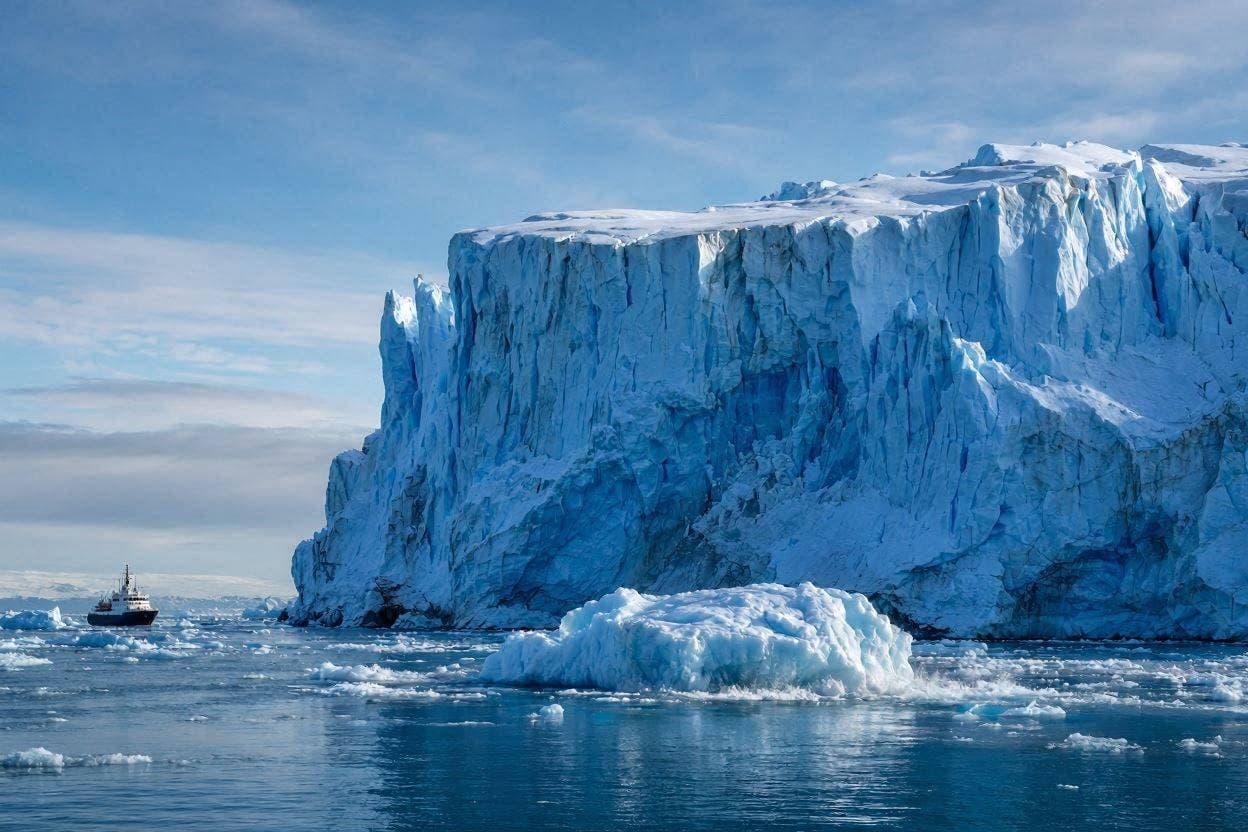
The allure of the frozen frontiers is drawing millions of travelers to the Arctic and Antarctic regions, where the stark beauty of ice and snow offers a unique perspective on our planet's health. Recent data shows a significant surge in polar tourism, with cruise lines and expedition companies reporting record bookings. Destinations such as Svalbard, Greenland, and the Antarctic Peninsula are experiencing unprecedented demand, fueled by a desire for authentic and transformative experiences in some of the world's most remote locations.
The appeal of these icy landscapes lies not only in their breathtaking scenery but also in the urgent message they convey about climate change. As these environments undergo rapid transformation, visiting them becomes both a privilege and a responsibility. Travelers are increasingly aware that their journeys can contribute to a deeper understanding of global environmental issues, making their trips more meaningful.
Advancements in ship technology and infrastructure have made polar regions more accessible than ever before. Ice-strengthened vessels equipped with modern amenities allow passengers to explore further north and south with greater comfort and safety. This democratization of polar travel has opened these once-exclusive expeditions to a broader demographic, moving beyond the wealthy elite who traditionally dominated the market.
However, the influx of visitors poses significant challenges. Environmentalists warn that increased human presence can disrupt fragile ecosystems, affecting wildlife behavior and contributing to pollution. In response, international bodies and local governments are implementing strict regulations to mitigate these impacts, including limits on passenger numbers and guidelines for wildlife viewing. Responsible tourism operators are prioritizing sustainability, educating guests on how to minimize their ecological footprint while enjoying these pristine environments.
For many travelers, the experience is as educational as it is recreational. Guided tours often feature lectures by scientists and naturalists, providing insights into climate science and conservation efforts. This educational component transforms the trip from a mere vacation into a learning opportunity, fostering a deeper understanding of the planet's vulnerability and the importance of conservation.
The economic benefits of polar tourism for local communities are substantial. Tourism creates jobs and supports local businesses, from hotels to guiding services. For indigenous populations, it offers a platform to share their culture and traditions with the world, promoting cross-cultural understanding. However, balancing economic gain with cultural preservation and environmental protection remains a complex challenge that requires careful management.
Social media has played a significant role in popularizing these destinations, with stunning images of ice caves and auroras inspiring wanderlust among potential travelers. While this visibility raises awareness, it also risks turning sensitive areas into viral backdrops rather than respected natural habitats. Travelers are encouraged to approach these sites with reverence, prioritizing respect for nature over the pursuit of the perfect photograph.
As millions continue to flock to the frozen frontiers, the focus must remain on sustainable practices and respectful engagement. These icy realms are not merely tourist attractions; they are vital components of the Earth’s climate system. By traveling responsibly, visitors can help preserve these wonders for future generations, ensuring that the silence and beauty of the poles endure.
AI Image Disclaimer: The visual content associated with this article is generated by artificial intelligence to illustrate the thematic elements of polar exploration and natural beauty, and does not represent specific photographs of actual tourist destinations or crowds.
Published by Banx Network. This article is part of the Banx decentralized media programme, powered by the BXE token on the XRP Ledger.




