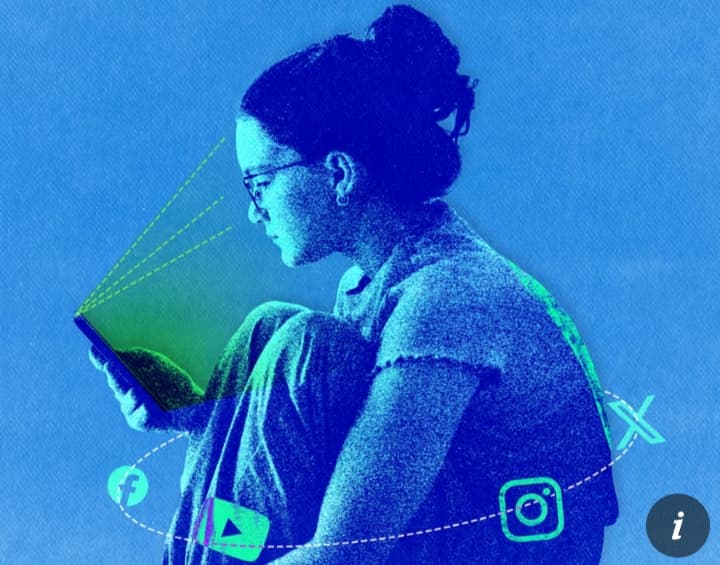
Australia has implemented a groundbreaking social media ban that prohibits children and teenagers from accessing popular platforms like Facebook, Instagram, and TikTok. This initiative, described as a world-first, has resulted in millions of young Australians losing their accounts and access to these platforms, raising significant concerns and debate within the community. The Rationale Behind the Ban
The Australian government has stated that the ban aims to shield young users from exposure to harmful content, cyberbullying, and predatory behaviors. As mental health issues among youth continue to rise, officials believe that limiting access to social media will create a safer online environment. Supporters of the legislation argue that it is a necessary step to protect vulnerable populations during their formative years. Impact on Young Users
The immediate consequences of this ban have been felt across the nation. Many children and teens report feelings of isolation and disconnection from their peers, as social media has become a primary means of communication and socialization in today’s digital age. Furthermore, educators and parents express concerns about the potential for increased absenteeism from social gatherings and extracurricular activities as youths adapt to life without social media. Legal and Ethical Considerations
Critics of the ban warn that it raises important legal and ethical questions regarding freedom of speech and parental rights. Many argue that such regulations should be left to families rather than government authorities. Legal experts are also examining the implications of enforcing such a ban, as it may draw responses from advocacy groups and heighten tensions surrounding digital rights. Future Outlook
As Australia embarks on this uncharted path, the global community is watching closely. Other countries may consider similar measures, and the long-term effects of this ban on youth development and social behavior remain to be seen. The government plans to review the impact of the policy in six months, with hopes to analyze its effectiveness and make adjustments if necessary.
The discussion around Australia’s social media ban is far from over, and ongoing dialogues among politicians, parents, and young people will shape the future landscape of social media use for minors.
Published by Banx Network. This article is part of the Banx decentralized media programme, powered by the BXE token on the XRP Ledger.