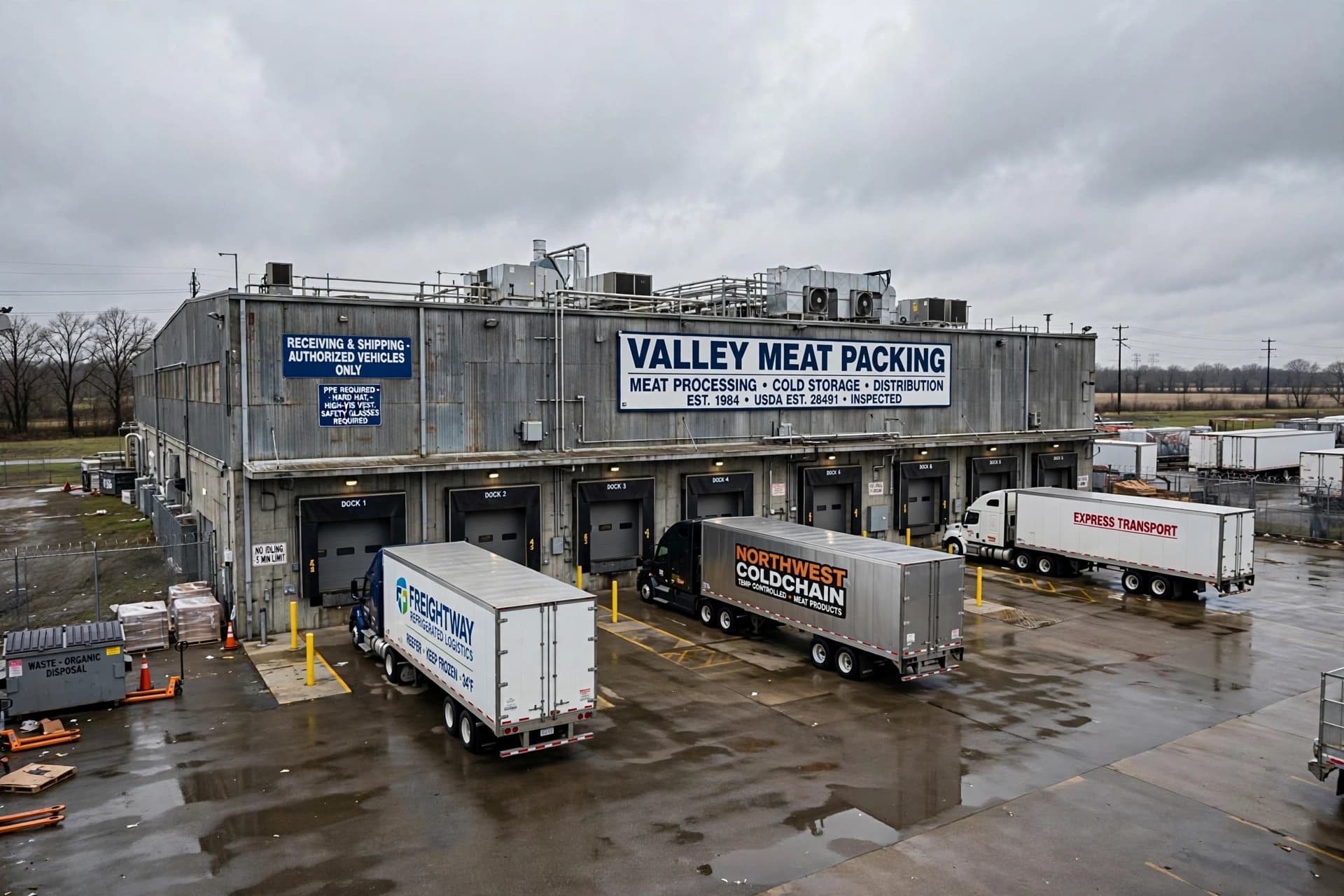
In the heartland of America, where agriculture and industry form the backbone of local economies, a tension has emerged between immigration enforcement and economic stability. Recent Immigration and Customs Enforcement (ICE) raids in states that strongly supported former President Trump have led to significant disruptions in the meatpacking sector. As workers are detained and production slows, the financial impact is becoming impossible to ignore, prompting even allied politicians to voice concern over the unintended consequences of strict enforcement.
The raids, conducted in several key agricultural states, have resulted in the detention of hundreds of undocumented workers who form a crucial part of the labor force in meat processing plants. These facilities, often located in rural areas, rely on this workforce to maintain high levels of production. The sudden absence of these employees has caused immediate shortages, leading to reduced output and millions of dollars in lost revenue for companies already operating on thin margins.
Republican lawmakers, traditionally supportive of strong border security measures, are now finding themselves in a difficult position. Constituents in their districts, including business owners and farmers, are reporting severe economic hardship due to the labor vacuum. Some representatives have publicly called for a more nuanced approach, emphasizing the need for a stable workforce to sustain local industries and prevent further financial strain on communities.
The situation highlights the complex interdependence of immigration policy and economic reality. While the goal of enforcing immigration laws is clear, the execution has revealed vulnerabilities in sectors that have long depended on immigrant labor. Meatpackers argue that without a viable pathway for legal employment or a gradual transition, sudden enforcement actions can devastate local economies and disrupt food supply chains.
For the workers involved, the raids bring fear and uncertainty. Many have lived in these communities for years, contributing to their growth and stability. The threat of deportation affects not only individuals but also their families and the broader social fabric. Community organizations are stepping in to provide legal support and assistance, striving to mitigate the human cost of these enforcement actions.
Economic analysts warn that the ripple effects could extend beyond the meatpacking industry. Reduced production may lead to higher prices for consumers and impact related sectors such as transportation and retail. The long-term viability of these businesses depends on finding a sustainable solution that balances security concerns with economic needs.
Dialogue between policymakers, industry leaders, and advocacy groups is intensifying. There is a growing recognition that comprehensive reform is necessary to address the root causes of unauthorized immigration while ensuring that essential industries can function effectively. This shift in tone suggests a potential opening for bipartisan cooperation on immigration issues.
As the debate continues, the impact of ICE raids in Trump-voting states serves as a case study in the complexities of immigration enforcement. The challenge lies in crafting policies that uphold the law without undermining the economic foundations of American communities. In the midst of this tension, the search for balance remains a priority for all stakeholders involved.
AI Image Disclaimer: Images accompanying this text are AI-generated symbolic representations of industrial labor and political discourse, not actual photographs from ICE raids or specific meatpacking facilities.
Sources: Reuters The Hill Politico Associated Press NPR
Published by Banx Network. This article is part of the Banx decentralized media programme, powered by the BXE token on the XRP Ledger.