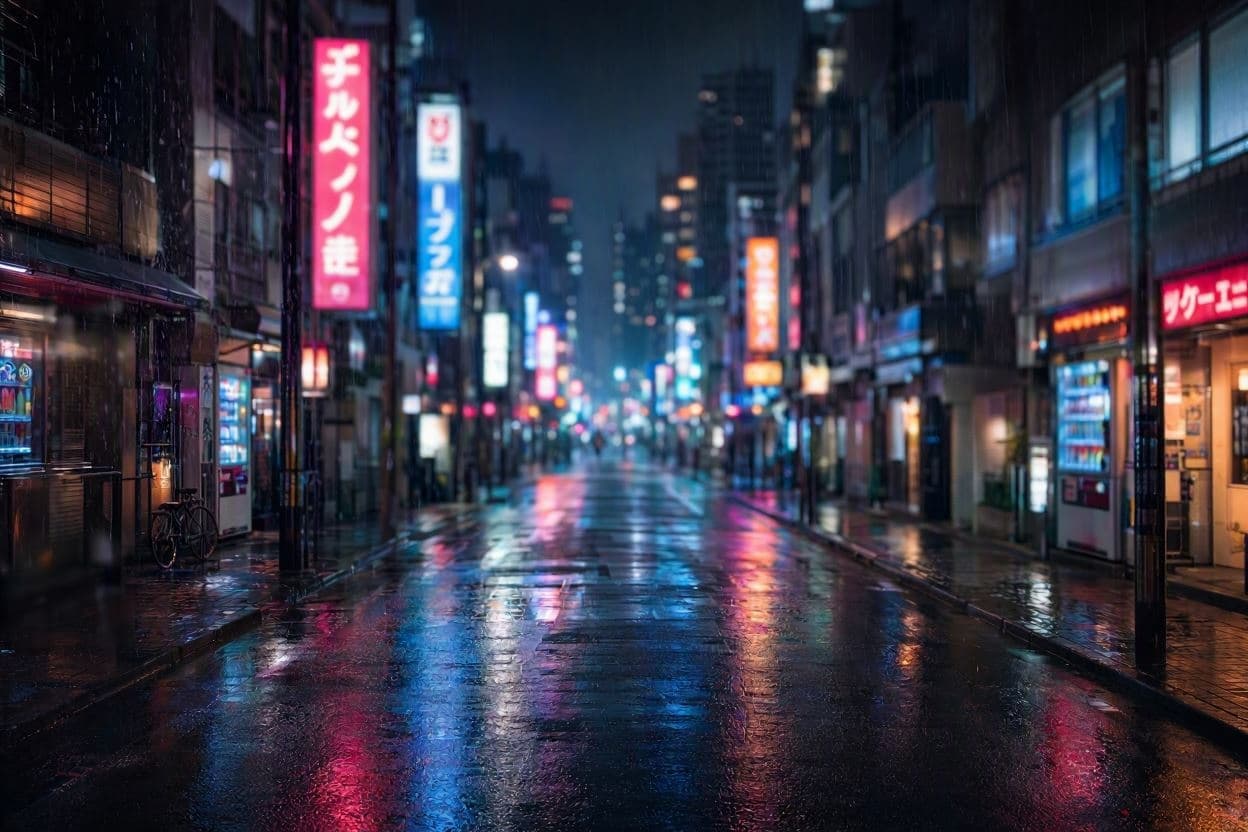
The sky over Tokyo, usually a canvas of urban lights and distant stars, has turned a bruised shade of gray as Typhoon Dujuan makes its formidable presence known. With winds howling at speeds that bend trees and rain falling in sheets that blur the horizon, millions of residents have been urged to seek higher ground. The storm, a powerful reminder of nature’s unyielding force, has brought the bustling metropolis to a standstill, transforming busy streets into quiet rivers and emptying train stations of their usual crowds. It is a moment of collective pause, where the rhythm of daily life is suspended by the urgency of survival.
Evacuation orders have been issued for nearly two million people across five prefectures, including the capital region. Local authorities, acting with caution and precision, have opened shelters and deployed emergency services to assist those in vulnerable areas. The scale of the response reflects Japan’s long history of preparing for natural disasters, where community resilience is woven into the fabric of society. Neighbors check on neighbors, and families gather supplies, united by a shared understanding of the risks. Preparedness is not just policy; it is culture.
The typhoon’s impact extends beyond wind and rain. Power outages have affected tens of thousands of households, plunging parts of the city into darkness. Flights have been canceled, trains halted, and businesses closed, disrupting the intricate network that keeps modern life moving. For many, the inconvenience is a small price to pay for safety. The silence of the city is not empty but filled with the quiet tension of waiting. Patience is a virtue in the face of storms.
For the elderly and those with mobility challenges, the evacuation process is particularly difficult. Community volunteers and emergency workers have stepped in to provide assistance, carrying supplies and helping with transportation. These acts of kindness highlight the strength of social bonds in times of crisis. In Japan, the concept of kizuna, or connection, becomes visible when it is needed most. Compassion is the anchor in chaos.
Meteorologists warn that Dujuan could bring record-breaking rainfall, raising the risk of landslides and flooding in mountainous regions. Rivers are being monitored closely, and levees reinforced where possible. The scientific prediction of such events allows for proactive measures, saving lives that might otherwise be lost. Technology and tradition work hand in hand to mitigate disaster. Knowledge is a shield against uncertainty.
International observers watch with concern, aware of the global implications of such extreme weather events. Climate change is increasingly linked to the intensity of typhoons, making them more frequent and severe. This storm serves as a local manifestation of a global challenge, urging nations to cooperate on environmental protection. The weather knows no borders, and neither should our responsibility. Solidarity is essential for a sustainable future.
As the typhoon passes, the focus will shift to recovery and assessment. Damage to infrastructure, agriculture, and homes will need to be addressed with speed and care. The government has pledged support for affected communities, ensuring that rebuilding efforts are comprehensive. Resilience is not just about surviving the storm but thriving after it. Hope is the engine of reconstruction.
In the end, Typhoon Dujuan is a test of endurance for Japan. It reminds us of our vulnerability in the face of nature’s power and our strength in unity. As the winds die down and the rain stops, the sun will return, illuminating a city that has weathered the storm together. We respect the earth, and we protect each other.
AI Image Disclaimer: The visual representations included here are AI-generated illustrations designed to depict urban scenes during severe weather and evacuation efforts, not actual photographs of specific locations or individuals in Tokyo.
Sources: France 24 Reuters NHK World
Published by Banx Network. This article is part of the Banx decentralized media programme, powered by the BXE token on the XRP Ledger.