
Key Highlights
- Botswana's dairy protectionism has lasted nearly two decades.
- Import tariffs range from 20% to 40% on UHT milk and other dairy products.
- The infant industry policy has not resolved underlying production challenges.
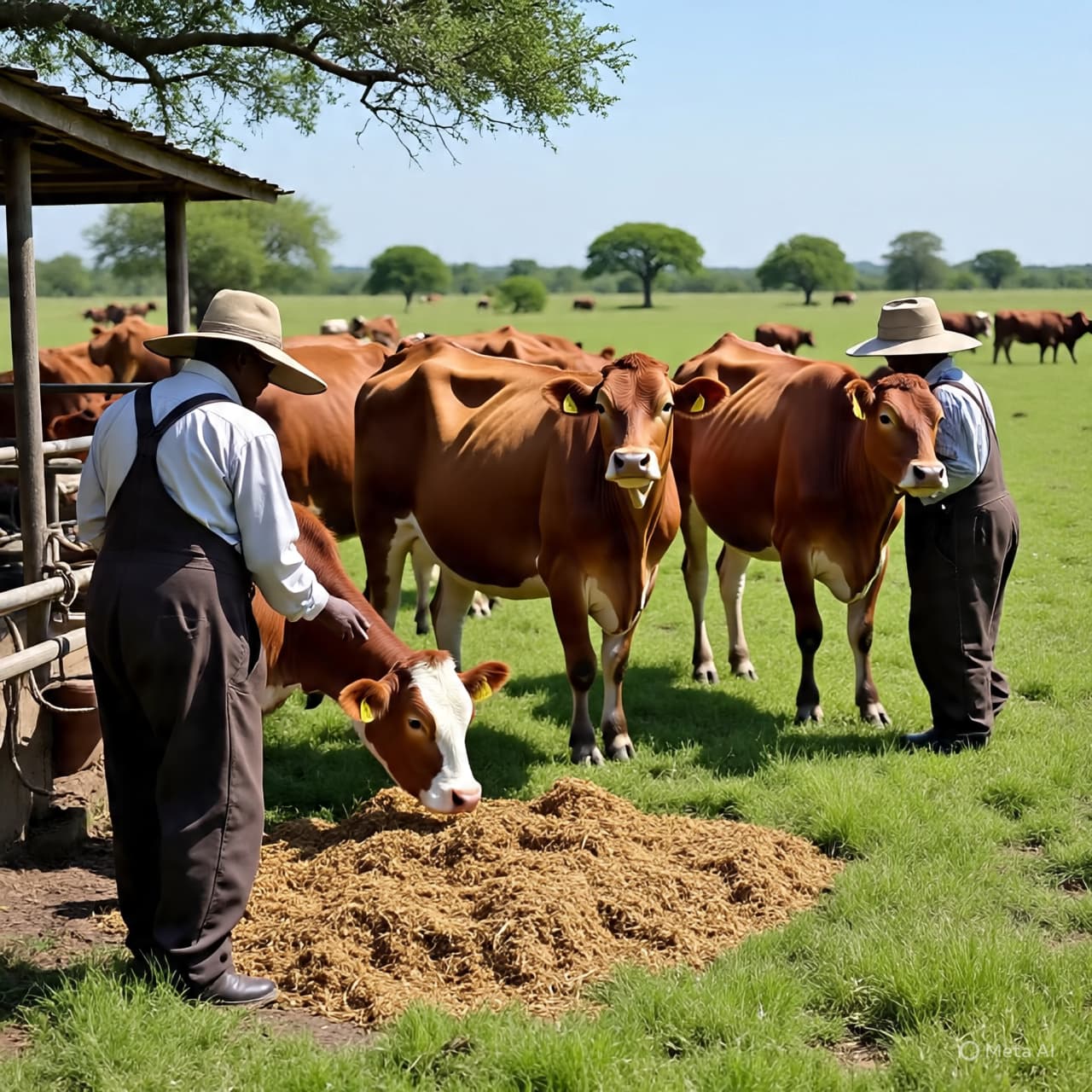
In the windswept grasslands of Southern Africa, an invisible frontier has emerged, shaped not by physical barriers but by trade policy. This frontier dictates the flow of milk across borders and influences how neighboring economies interact. In Botswana, a long-standing infant industry protection (IIP) regime, designed to nurture local dairy processing, has become a complex reflection of economic aspirations and regional integration challenges.
Botswana introduced IIP measures nearly two decades ago with a clear goal: to foster domestic dairy processing capabilities and reduce reliance on imported dairy products. Initially, the policy aimed to provide a supportive environment for local producers, particularly in ultra-high temperature (UHT) milk processing. However, as time has passed, the protective measures have persisted longer than intended, raising concerns about whether this support has become a hindrance to growth.
South African dairy producers and trade analysts have been closely monitoring the situation. Botswana's import tariffs, which range from 20% to 40% on UHT milk and extend to other dairy products, have complicated cross-border trade. Despite strong consumer demand and established regional supply chains, these tariffs have effectively barred a significant portion of South African dairy production from entering one of the key markets within the Southern African Customs Union (SACU). This situation contradicts the founding principles of SACU, which advocate for free trade among member states.
The challenges facing Botswana's dairy sector are multifaceted. Domestic production has struggled to meet rising demand due to various constraints, including limited raw milk output, feed shortages, and climatic pressures that complicate livestock farming. The IIP policy has not adequately addressed these fundamental issues, resulting in a sector that has not developed as policymakers had hoped. The ongoing protective measures create a disconnect between the original intentions of the policy and the current economic realities.
For regional traders and consumers, the consequences of these policies have been subtle yet significant. The slowed flow of goods has led to missed opportunities for economic integration and highlights the importance of allowing trade policies to evolve with changing circumstances. As discussions within SACU continue regarding the reassessment of Botswana's trade approach, there is hope that future agreements will better align with the needs of developing industries while promoting a more interconnected Southern African marketplace.
In navigating this balance, there may be a pathway toward a dairy trade that benefits both Botswana and its regional partners, fostering economic growth and collaboration in the process.
Published by Banx Network. This article is part of the Banx decentralized media programme, powered by the BXE token on the XRP Ledger.



