
Key Highlights
- Military drills in Eastern Europe signal rising tensions between Russia and NATO.
- Russian tactical nuclear exercises involve Belarus, reflecting close ties.
- NATO remains committed to collective defense amid heightened military rhetoric.
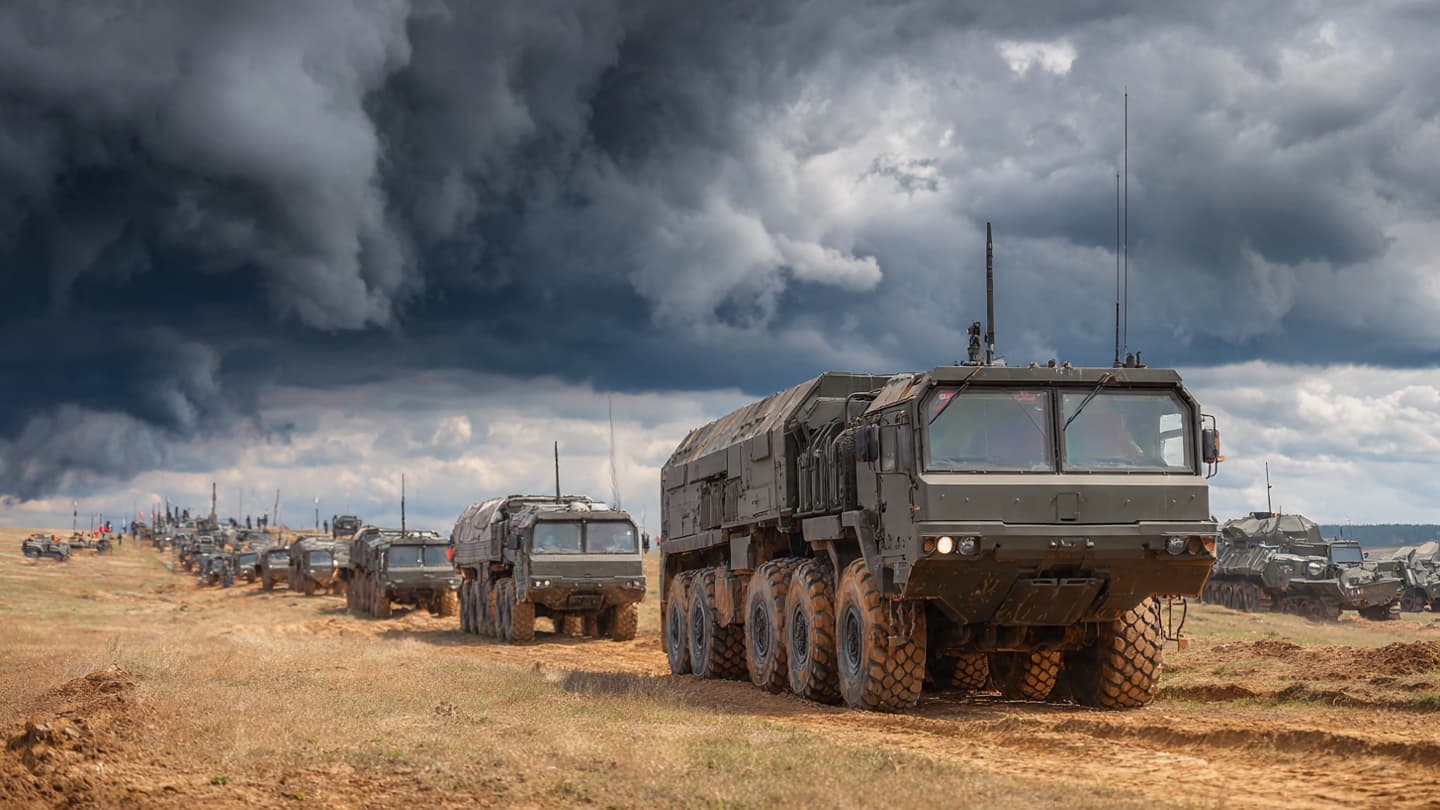
The recent military exercises conducted by Russia in collaboration with Belarus have reignited concerns about the fragile state of relations between Moscow and NATO. These drills, which include tactical nuclear systems, are framed by Russian defense officials as a demonstration of military readiness. However, they also serve as a stark reminder of the historical context that continues to shape security dynamics in Eastern Europe, particularly in the wake of the ongoing conflict in Ukraine.
The involvement of Belarusian forces in these exercises highlights the deepening security partnership between Minsk and Moscow. This collaboration is viewed with apprehension by NATO leaders, who have characterized the drills as part of a broader pattern of military signaling that has intensified since the onset of the war in Ukraine. As tensions escalate, Western officials are closely monitoring troop movements and operational details, reaffirming their commitment to collective defense measures across Eastern Europe.
For many nations in Europe, the renewed focus on nuclear preparedness evokes memories of the Cold War, a time when such exercises were common and often perceived as demonstrations of deterrence. Analysts today express concern that the normalization of heightened military rhetoric could lead to miscalculations, even if immediate conflict seems unlikely. The current geopolitical climate is marked by a gradual shift in how military actions are interpreted, with many fearing that the stakes are higher than ever.
The backdrop of these military exercises is a period of strained diplomatic communication between Russia and Western governments. Formal dialogue channels have become increasingly limited, and several international arms-control agreements that once provided stabilizing frameworks have weakened or expired. This erosion of trust has left fewer mechanisms available to ease tensions during critical moments, raising the stakes for all parties involved.
As the security landscape evolves, civilian populations across Europe are adapting to new realities. Governments in several NATO countries have ramped up defense spending, enhanced border monitoring, and expanded military cooperation. However, public opinion remains divided, with some advocating for stronger deterrence while others hope for renewed diplomatic engagement. This division reflects the complex interplay between security concerns and the desire for stability in a rapidly changing world.
Economic uncertainty further complicates the situation. While defense investments are on the rise, many European societies are grappling with inflation, energy concerns, and debates over long-term military commitments. In this context, discussions about security increasingly overlap with conversations about economic resilience and political stability, highlighting the interconnected nature of these issues.
International observers note that military exercises are not uncommon among major powers, with NATO conducting similar drills regularly. However, the timing, symbolism, and political context surrounding these actions play a crucial role in how they are perceived on the global stage. Currently, the atmosphere surrounding the Russia-NATO relationship remains particularly sensitive, with both sides maintaining official positions of defense and preparedness.
As the drills continue, they are being closely monitored by the international community. While leaders publicly emphasize their commitment to defense, many diplomats are quietly seeking opportunities to prevent further escalation of strategic rivalry across Europe. The hope remains that through careful diplomacy, a path toward stability can be forged amidst the prevailing tensions.
Published by Banx Network. This article is part of the Banx decentralized media programme, powered by the BXE token on the XRP Ledger.



