Military alliances often communicate through movement as much as through words. Joint exercises, naval deployments, and coordinated drills can function like carefully arranged messages intended to demonstrate preparedness while avoiding direct confrontation. Yet during periods of global tension, reassurance and anxiety frequently travel side by side.
Russia and allied nations reportedly conducted joint nuclear-related military exercises while emphasizing that the activities were not directed against any specific country. The exercises drew international attention amid continuing geopolitical friction involving NATO and the conflict in Ukraine.
According to official statements, participating forces engaged in coordinated operational scenarios involving strategic defense readiness. Military officials described the drills as part of routine cooperation among allied defense structures.
Joint military exercises have long been used by nations to strengthen coordination, improve communication systems, and demonstrate strategic capability. However, exercises involving nuclear elements often attract heightened scrutiny because of their symbolic significance.
Analysts note that such operations can serve multiple purposes, including internal readiness, alliance cohesion, and geopolitical signaling. Even when governments stress defensive intentions, neighboring countries and rival alliances often interpret the activities cautiously.
Russia has repeatedly argued that NATO expansion and Western military support for Ukraine have altered the strategic balance in Europe. Western governments, meanwhile, continue expressing concern over Moscow’s military posture and nuclear rhetoric.
Observers emphasize that global security tensions have increased demand for renewed diplomatic engagement surrounding arms control and risk reduction mechanisms. Several Cold War-era agreements designed to limit escalation have weakened in recent years.
Defense specialists also point out that joint military drills have become increasingly common among major powers seeking to reinforce strategic partnerships. Such exercises can influence international perceptions regarding alliance strength and regional influence.
The latest exercises highlight the continuing importance of military signaling in a world shaped by rising geopolitical competition and fragile diplomatic trust.
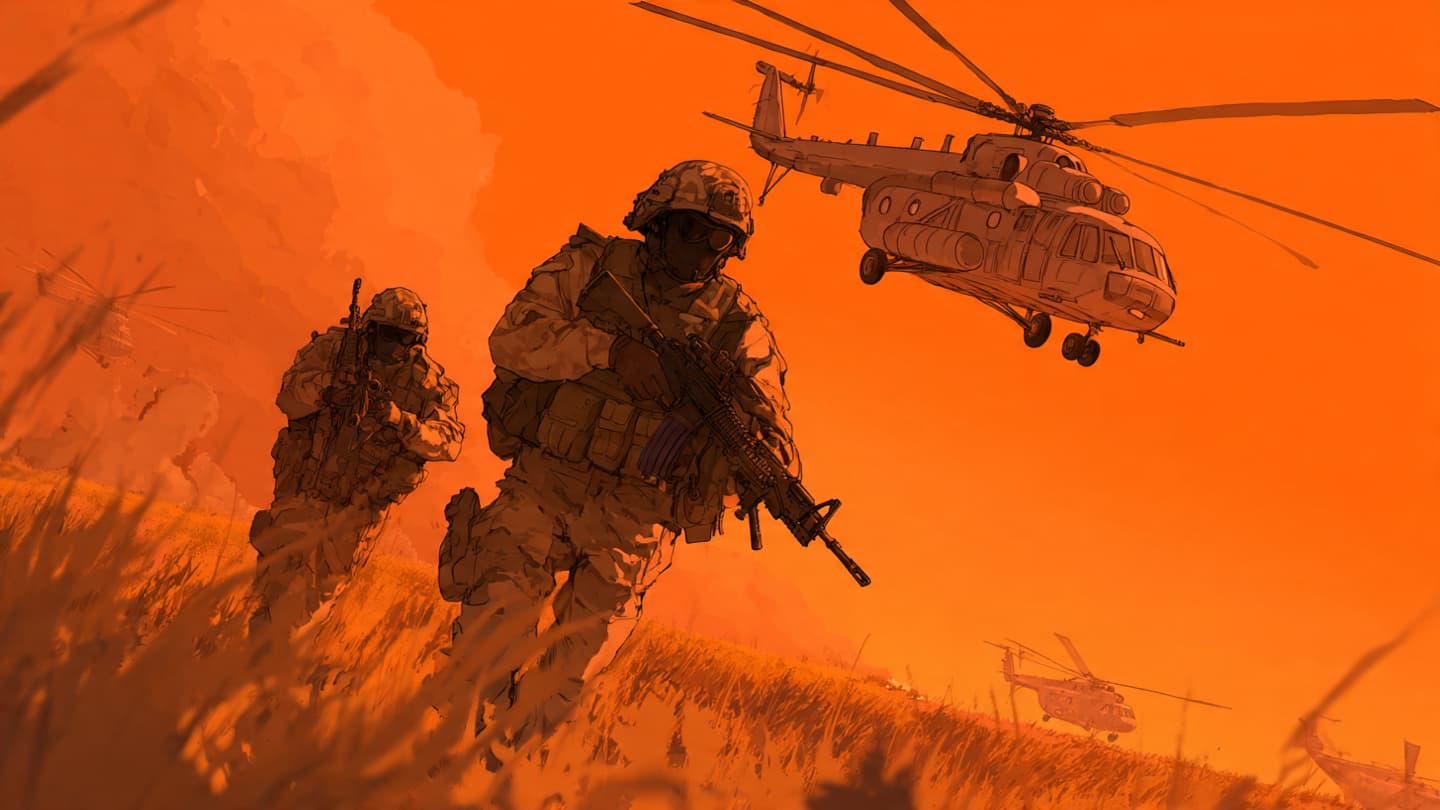
The visuals featured in this article are AI-generated illustrations intended to support reporting on global defense and international security affairs.
Sources: Reuters, TASS, Associated Press, BBC News
Published by Banx Network. This article is part of the Banx decentralized media programme, powered by the BXE token on the XRP Ledger.