
Key Highlights
- Military alliances use joint exercises to convey strategic messages.
- Recent Russian military drills have drawn international scrutiny.
- Analysts emphasize the importance of military signaling in global security.
Military alliances often communicate through movement as much as through words. Joint exercises, naval deployments, and coordinated drills function like carefully arranged messages intended to demonstrate preparedness while avoiding direct confrontation. During periods of global tension, reassurance and anxiety frequently travel side by side, making the actions of military alliances particularly significant.
Recently, Russia and its allied nations conducted joint nuclear-related military exercises, emphasizing that these activities were not directed against any specific country. However, the drills drew international attention amid ongoing geopolitical friction involving NATO and the conflict in Ukraine. The exercises were reported to involve coordinated operational scenarios focusing on strategic defense readiness, described by military officials as part of routine cooperation among allied defense structures.
Joint military exercises have long been a tool for nations to strengthen coordination, improve communication systems, and demonstrate strategic capabilities. However, exercises involving nuclear elements attract heightened scrutiny due to their symbolic significance. Analysts note that such operations can serve multiple purposes, including internal readiness, alliance cohesion, and geopolitical signaling. Even when governments stress defensive intentions, neighboring countries and rival alliances often interpret these activities with caution.
Russia has repeatedly argued that NATO expansion and Western military support for Ukraine have altered the strategic balance in Europe. In response, Western governments continue to express concern over Moscow’s military posture and nuclear rhetoric. This ongoing tension underscores the complex dynamics at play in international relations, where military movements are closely monitored and interpreted.
Observers emphasize that global security tensions have increased the demand for renewed diplomatic engagement surrounding arms control and risk reduction mechanisms. Several Cold War-era agreements designed to limit escalation have weakened in recent years, highlighting the need for new frameworks to address contemporary challenges.
Defense specialists point out that joint military drills have become increasingly common among major powers seeking to reinforce strategic partnerships. Such exercises can influence international perceptions regarding alliance strength and regional influence, making them a critical component of modern military strategy.
The latest exercises underscore the continuing importance of military signaling in a world shaped by rising geopolitical competition and fragile diplomatic trust. As nations navigate these complexities, the role of military alliances in maintaining stability and deterrence remains paramount.
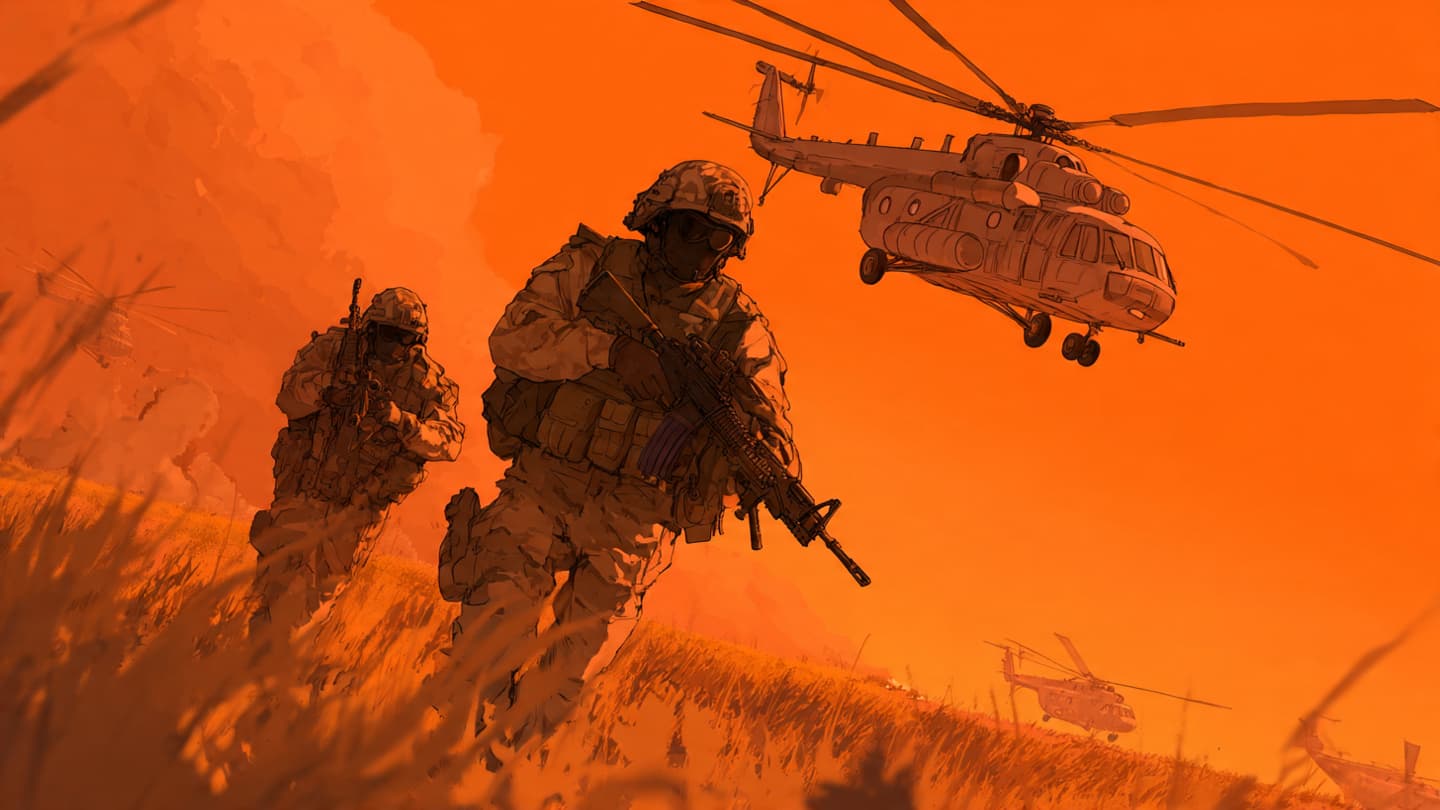
The visuals featured in this article are AI-generated illustrations intended to support reporting on global defense and international security affairs.
Published by Banx Network. This article is part of the Banx decentralized media programme, powered by the BXE token on the XRP Ledger.



