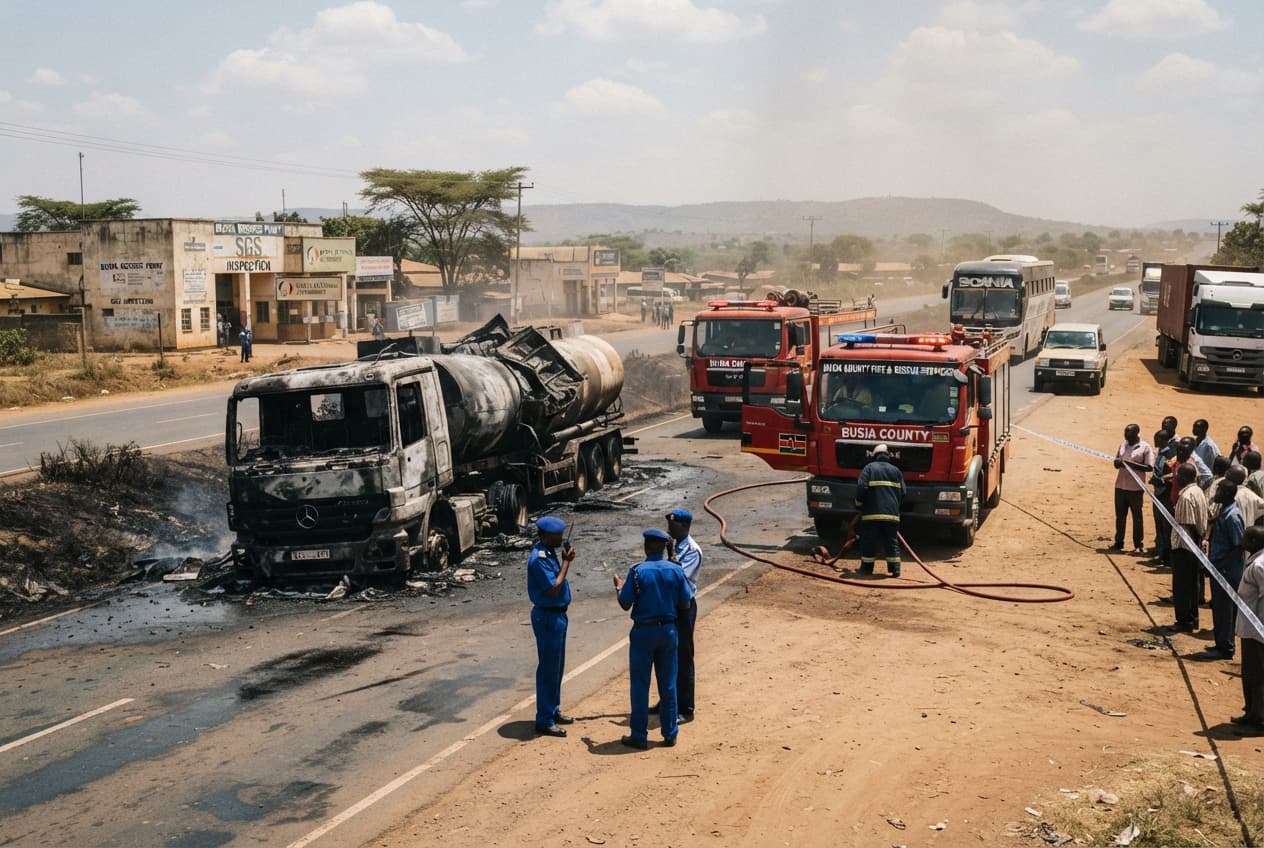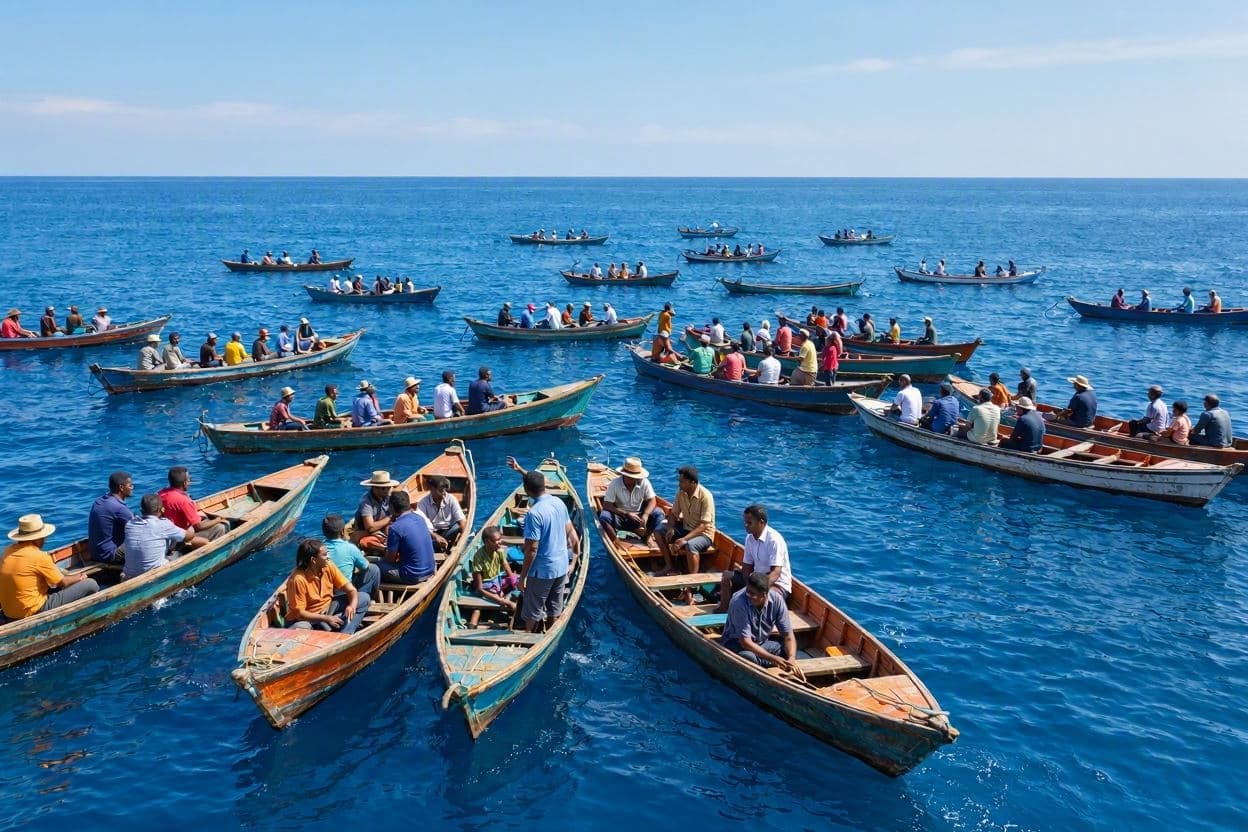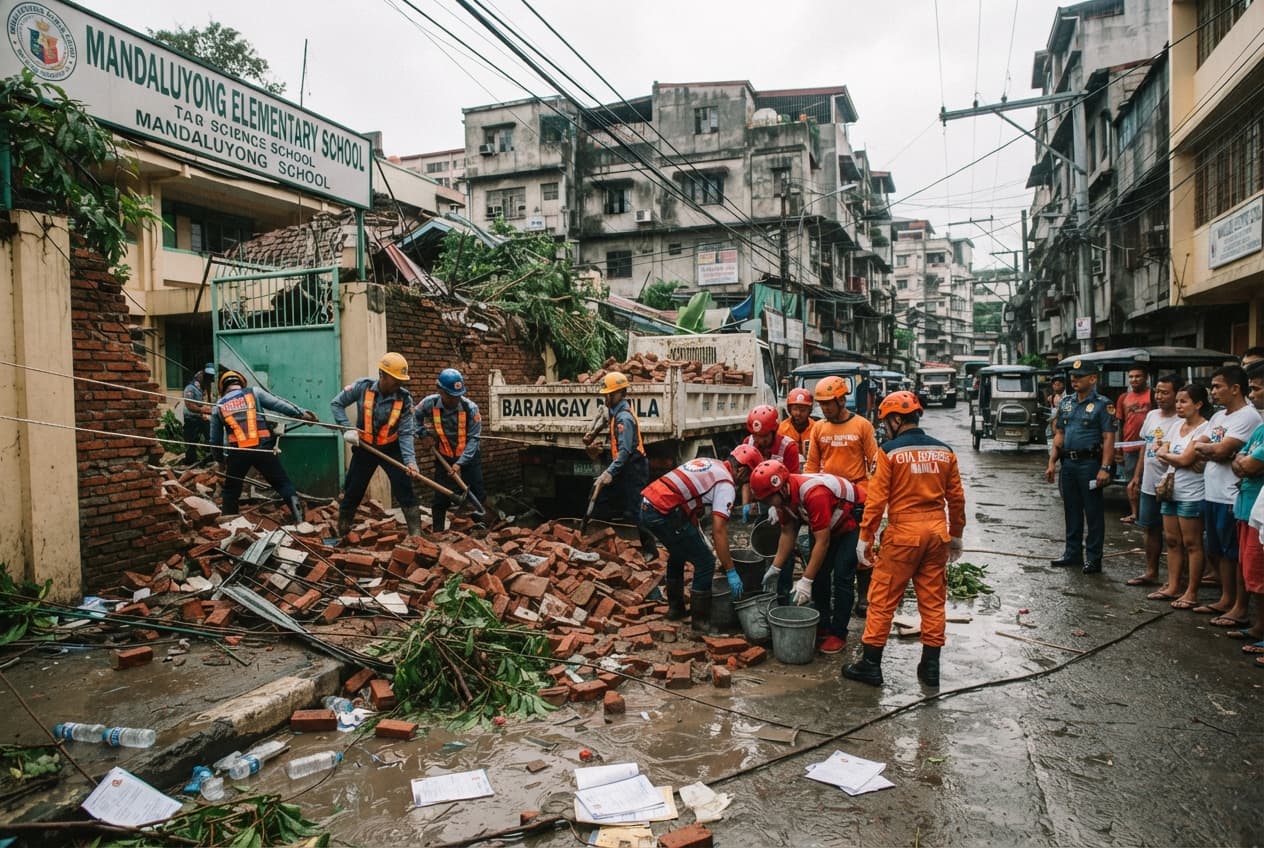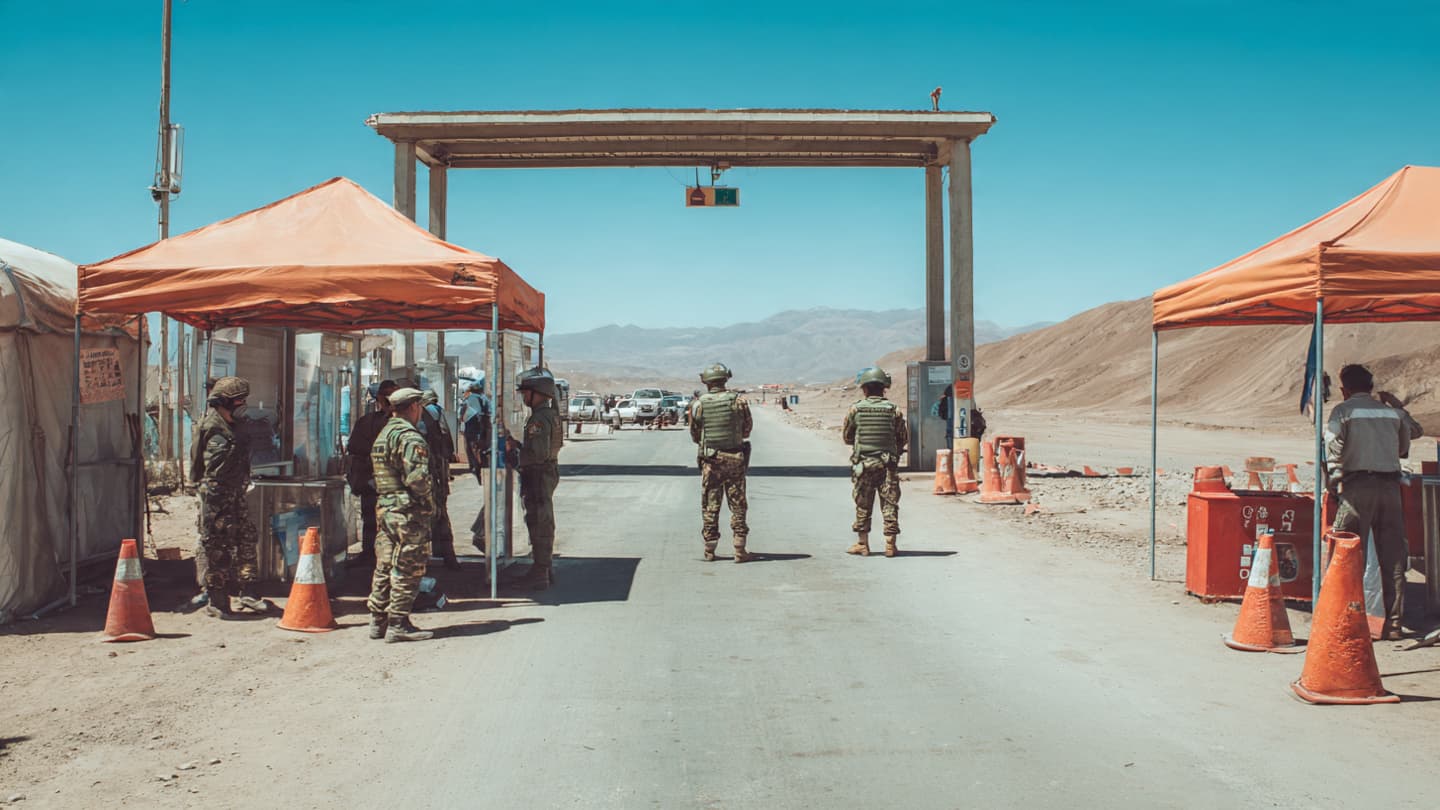
Borders often become mirrors reflecting a nation’s anxieties, ambitions, and shifting political identity. In Chile, debates surrounding migration and security have increasingly shaped public conversation, particularly as regional migration flows place pressure on governments across South America. Against that backdrop, comparisons to the American “Make America Great Again” political style have emerged in discussions surrounding Chile’s evolving border control policies.
Recent political messaging and security proposals in Chile have drawn attention because of their resemblance to tougher immigration narratives associated with Donald Trump’s political movement in the United States. Some Chilean politicians and commentators have embraced stricter border enforcement language amid rising public concern over undocumented migration, organized crime, and social stability.
Chile has experienced significant migration increases in recent years, particularly involving arrivals from Venezuela and other countries facing economic or political instability. Northern border regions have become focal points for debates over state capacity, law enforcement, and humanitarian responsibilities.
Supporters of stricter border measures argue that governments must respond firmly to growing public concerns about crime, trafficking, and pressure on public services. They say stronger enforcement reflects national sovereignty and the need for orderly immigration systems during periods of regional instability.
Critics, however, warn that politically charged rhetoric can oversimplify complex migration realities while increasing social polarization. Human rights organizations have emphasized the importance of balancing border security with humanitarian protections for vulnerable migrants and asylum seekers.
Chile’s political climate has shifted noticeably over the past several years, moving through periods of constitutional debate, economic uncertainty, and ideological polarization. Security issues have become increasingly central within electoral campaigns and public opinion surveys across the country.
Observers note that migration politics are no longer confined to North America or Europe alone. Across Latin America, governments are confronting similar tensions involving border management, economic pressures, and public expectations surrounding national identity and security.
For now, Chile’s evolving border strategy reflects a broader global trend in which migration policy has become deeply tied to political messaging and electoral identity. The discussion unfolding in Santiago echoes debates heard far beyond South America’s borders.
AI Image Disclaimer: Certain accompanying visuals may include AI-generated illustrations created for political and migration-related reporting.
Sources: Reuters, BBC, Al Jazeera, The New York Times, Associated Press
Published by Banx Network. This article is part of the Banx decentralized media programme, powered by the BXE token on the XRP Ledger.