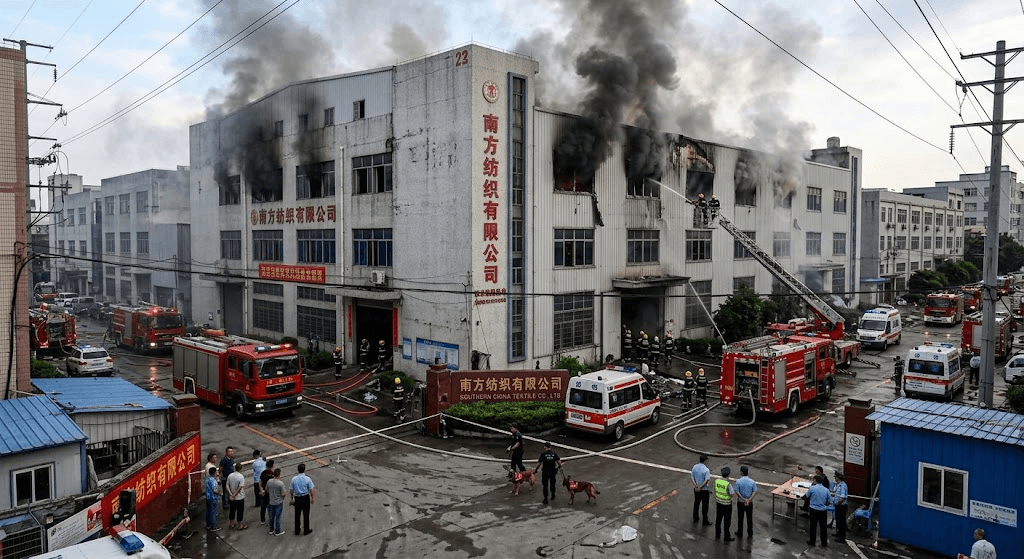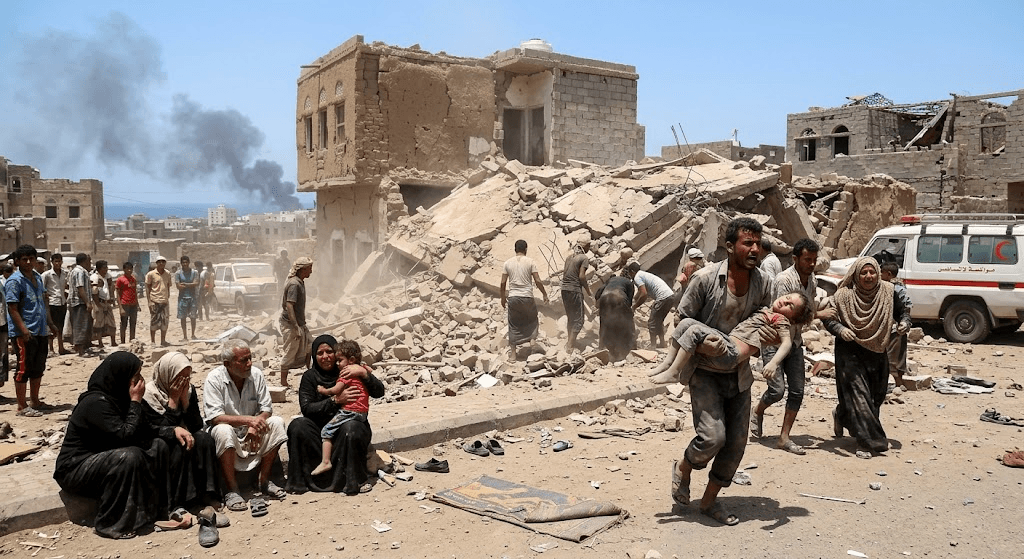
The first hours of a new year often arrive softly, carried by tired smiles and the lingering warmth of shared tables. In one coastal village along the Black Sea, that gentle passage into January was instead marked by flames and shock, as Russian authorities said a Ukrainian drone strike cut through New Year celebrations in occupied southern Ukraine, killing at least 24 people and injuring many more.
According to Moscow-installed officials, the attack struck the village of Khorly in the Kherson region late on New Year’s Eve. Drones, they said, descended on a crowded area that included a café and a small hotel, where residents had gathered to welcome the year ahead. Fire followed impact, and what had been a moment of communal pause turned abruptly into chaos and mourning.
Ukraine has not acknowledged responsibility for the incident, and independent verification remains difficult in an area shaped by occupation, restricted access, and competing narratives. In conflicts such as this, facts often emerge slowly, filtered through official statements and limited on-the-ground reporting, while families face immediate loss long before clarity arrives.
The timing of the alleged strike lent the moment additional weight. Even as the war continues to claim lives, diplomatic efforts have been described by some international actors as edging forward, if cautiously. Statements about peace talks and frameworks have circulated alongside reports of ongoing drone attacks, missile strikes, and counterstrikes, creating a stark contrast between the language of resolution and the reality of continued violence.
Russian officials framed the reported incident as an accusation meant to underscore their view of Ukraine’s conduct in the war. Ukrainian leaders, meanwhile, have repeatedly emphasized that Russia’s own aerial campaigns — including large-scale drone attacks on Ukrainian infrastructure — continue unabated, even during holiday periods. Each side points to the other’s actions as evidence that peace remains distant.
For civilians living in and around contested territories, these exchanges offer little comfort. Life under occupation or near front lines is shaped not by press briefings or diplomatic signals, but by the unpredictability of nights like this one — when celebration gives way to fear, and the future narrows to the next hour.
As the world listens recalling phrases about negotiations and possible pathways forward, the events reported in Khorly serve as a reminder of how fragile such pathways remain. Peace talks may move quietly through conference rooms and statements, but on the ground, the war continues to speak in harsher terms, insisting that the new year has not yet found a different voice.
AI Image Disclaimer “Graphics are AI-generated and intended for representation, not reality.”
Sources Associated Press Reuters ABC News Al Jazeera The Guardian
Published by Banx Network. This article is part of the Banx decentralized media programme, powered by the BXE token on the XRP Ledger.