

Key Highlights
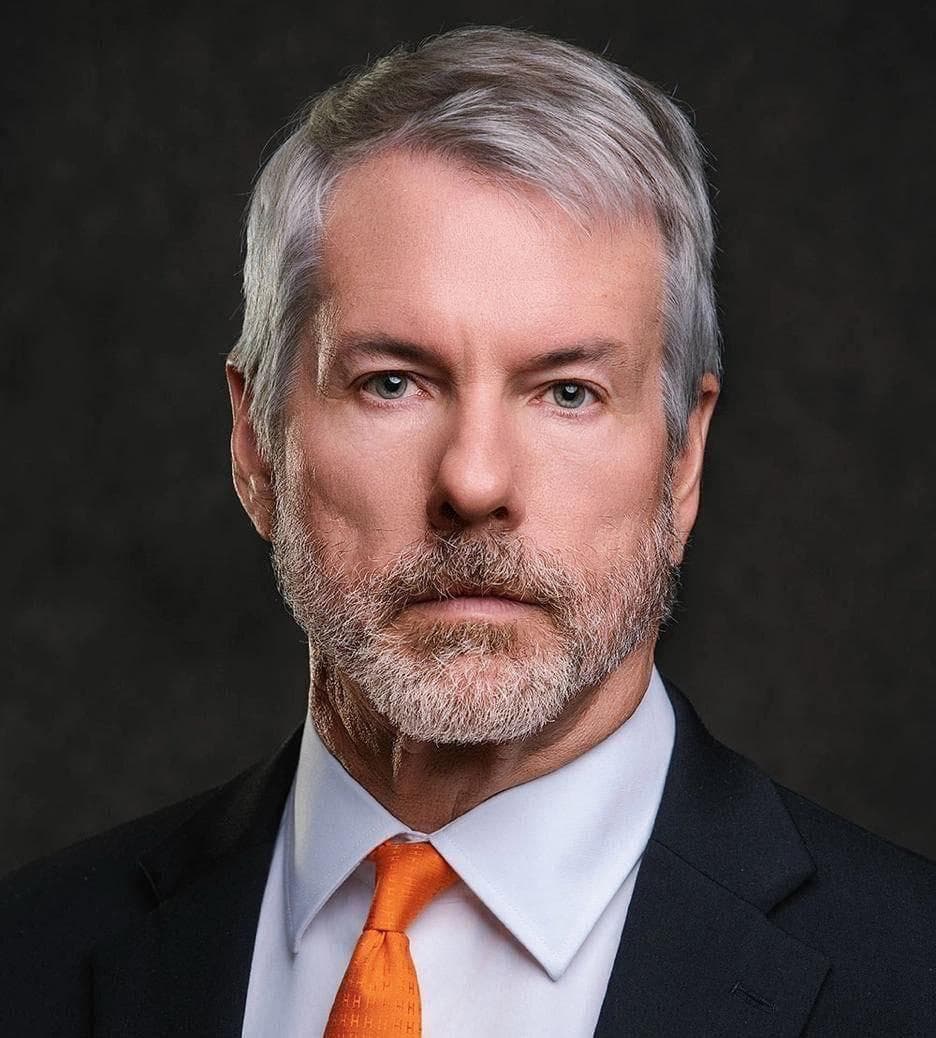
- Debate:Michael Saylor defends Bitcoin's role in finance against Ray Dalio.
- Transparency:Saylor emphasizes Bitcoin's verifiable blockchain as an advantage.
- Institutional Adoption:Growing interest in Bitcoin as a global collateral asset.
A fresh debate over Bitcoin’s future role in the global financial system erupted after MicroStrategy Executive Chairman Michael Saylor pushed back against billionaire investor Ray Dalio, arguing that Bitcoin’s transparency makes it uniquely suited to serve as global collateral. This exchange highlights the ongoing tension between traditional finance perspectives and the evolving cryptocurrency landscape.
The comments came in response to Dalio's ongoing criticism and skepticism surrounding Bitcoin’s ability to function at the center of institutional finance. Saylor responded by emphasizing one of Bitcoin’s most discussed strengths: transparency. According to him, Bitcoin’s open and verifiable blockchain is not a weakness but a defining advantage, allowing anyone to independently verify ownership, movement, and supply. “Transparency is a feature, not a bug,” Saylor stated, reinforcing the idea that Bitcoin’s visibility could make it more reliable than traditional financial systems where collateral, reserves, and balance sheets are often opaque or dependent on intermediaries.
This statement directly challenges concerns raised by Ray Dalio, who has previously questioned aspects of Bitcoin’s long-term viability while also acknowledging its value as an alternative asset. Dalio has historically supported diversification into hard assets but has warned about government responses, regulation, and limitations tied to digital currencies. His skepticism stems from the inherent volatility and regulatory uncertainties that surround cryptocurrencies, which he believes could hinder their acceptance as stable financial instruments.
Saylor’s argument centers on Bitcoin becoming a trusted form of global collateral — an asset institutions, banks, sovereign funds, and corporations could potentially use to secure value across borders. In traditional finance, collateral plays a critical role in lending, liquidity, and settlement systems. Supporters believe Bitcoin’s scarcity, portability, and decentralization could eventually position it as a neutral reserve asset in a fragmented global economy. This perspective is gaining traction as institutional adoption of Bitcoin continues to expand through exchange-traded products, treasury allocations, and increasing interest from major financial firms.
Supporters argue that unlike gold or fiat-backed systems, Bitcoin can be instantly verified on-chain without relying on centralized trust. This characteristic could make it an attractive option for institutions looking for reliable collateral in an increasingly digital economy. However, critics continue pointing to volatility, scalability concerns, and regulatory uncertainty as major hurdles before Bitcoin could ever be widely accepted as institutional-grade global collateral. Price swings remain one of the biggest barriers for risk-sensitive institutions, making them hesitant to fully embrace Bitcoin as a stable asset.
For the crypto market, Saylor’s latest remarks reinforce a growing narrative among Bitcoin advocates: that BTC is evolving beyond a speculative asset and into a foundational layer for future financial infrastructure. As the debate between Saylor and Dalio continues, the outcome may significantly influence the perception and acceptance of Bitcoin in the broader financial landscape.
Published by Banx Network. This article is part of the Banx decentralized media programme, powered by the BXE token on the XRP Ledger.




