
Key Highlights
- Announcement:Mexican government states 40,000 of 130,000 missing may be alive.
- Context:Disappearances linked to violence and organized crime.
- Family Reactions:Mixed responses from families and human rights advocates.
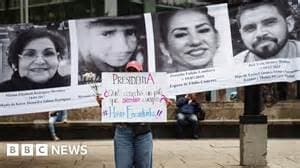
In a significant announcement, the Mexican government revealed that nearly 40,000 of the 130,000 individuals classified as disappeared in the country could potentially be alive. This disclosure has stirred mixed reactions among families of the missing and human rights organizations, highlighting the ongoing struggle for closure and justice in a nation grappling with high rates of disappearances.
The report is part of an ongoing effort by Mexican authorities to address the alarming rates of disappearances linked to violence, organized crime, and systemic issues within law enforcement. Many families have long held hope that their loved ones are still alive, prompting renewed interest in unsolved cases. The government’s acknowledgment of the possibility that many missing individuals could be alive offers a glimmer of hope to those who have been searching for answers.
Mexican officials attribute the high number of disappearances to various factors, including the pervasive influence of drug cartels and the shortcomings in investigative processes that often leave families without closure. The potential for many of these individuals to be alive raises important questions about their whereabouts and well-being. The government is under pressure to improve its investigative protocols and provide better support systems for families seeking information about their missing loved ones.
Human rights advocates have emphasized the need for improved investigative protocols and support systems for families seeking information about missing loved ones. They argue that the government must prioritize transparency and accountability in its efforts to locate the disappeared. As discussions continue, the government aims to enhance its strategies for locating and assisting those who have disappeared, aiming for a more comprehensive understanding of this complex issue.
The announcement has sparked a renewed call for action from families and advocates who have been tirelessly working to raise awareness about the plight of the missing. Many families have expressed cautious optimism, hoping that this acknowledgment will lead to tangible efforts to locate their loved ones and bring them home.
As the situation develops, it remains crucial for the Mexican government to engage with families and human rights organizations to ensure that the voices of those affected by disappearances are heard and addressed. The path forward will require collaboration, commitment, and a focus on the human rights of all individuals, particularly those who have been lost in the shadows of violence and crime.
Published by Banx Network. This article is part of the Banx decentralized media programme, powered by the BXE token on the XRP Ledger.



