Long before modern borders divided the landscape, the region now known as Mexico stood as a living bridge between two worlds. Its mountains, forests, and changing environments shaped the journeys of countless species over millions of years. Hidden within layers of rock, fossils reveal that Mexico was not only a pathway for migration but also a place where evolution unfolded quietly over time.
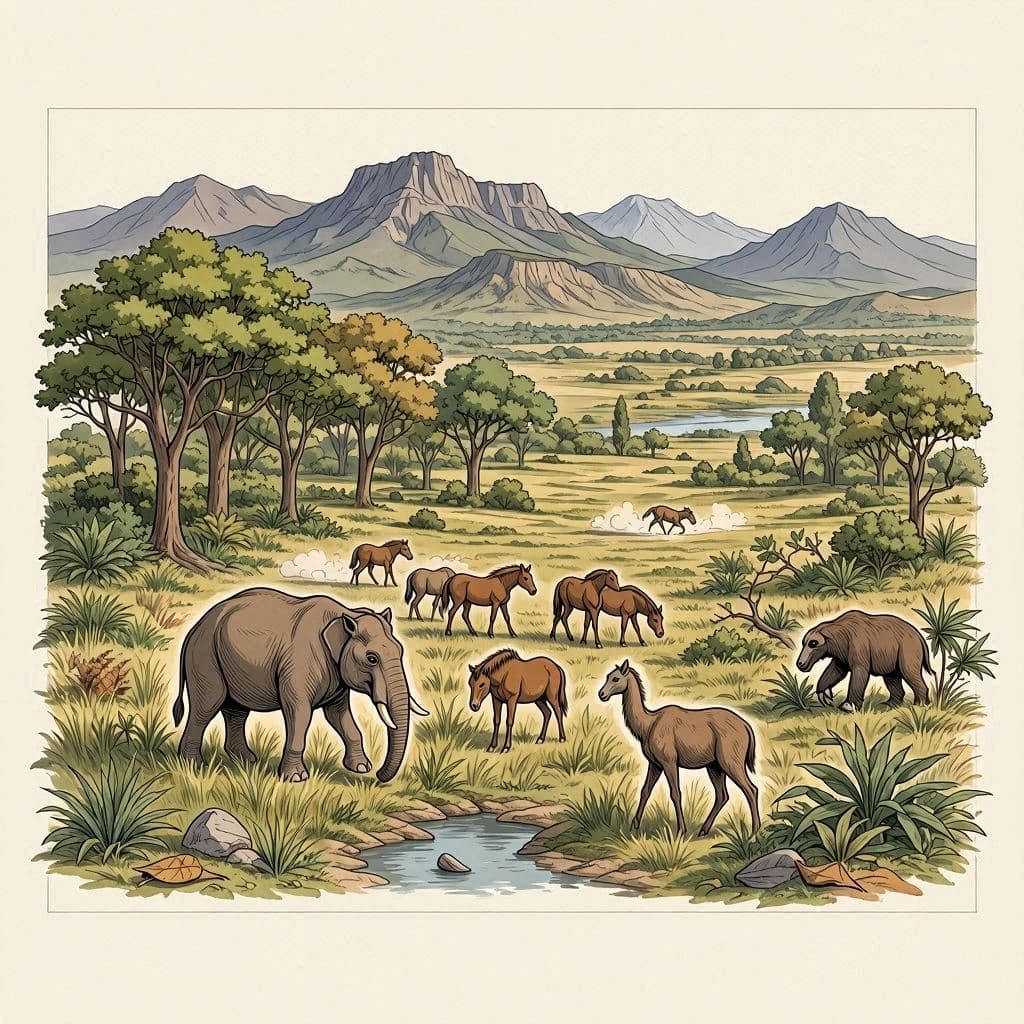
Scientists studying ancient mammal movements have described Mexico and Central America as important regions during the Great American Biotic Interchange, a major period when animals moved between North and South America. These movements transformed ecosystems and created new relationships between species that had previously evolved separately.
The idea of an evolutionary “holding pen” describes how some species may have remained in certain regions before expanding into new territories. Geological conditions, climate patterns, and available habitats influenced when and where animals could continue their migrations. Mexico’s position between continents made it an important area for these evolutionary transitions.
Fossil discoveries in areas such as central Mexico have provided evidence of ancient mammals appearing earlier in the region before later being found farther north. These findings have helped researchers understand that migration across the Americas was not always a simple movement from one place to another, but a complex process shaped by environmental opportunities and barriers.
The changing geography of the Americas played a central role in these stories. Over millions of years, land connections, climate shifts, and habitat changes created moments when species could expand their ranges. At other times, environmental conditions may have slowed or limited their movement, allowing populations to develop separately.
For paleontologists, these ancient patterns provide more than a record of where animals once lived. They offer clues about how ecosystems respond to change and how species adapt when new opportunities or challenges appear. Fossils become pieces of a much larger puzzle, revealing the long relationship between life and the changing Earth.
Mexico’s fossil record continues to attract scientific attention because of its role as a meeting point between different biological regions. Research on ancient mammals, including species connected to migration events, has expanded understanding of how the continent’s ecosystems developed through time.
The story of ancient migrations reminds us that evolution is not a straight road but a landscape filled with pauses, crossings, and unexpected turns. Mexico’s ancient environments served as one of those important places where nature experimented, adapted, and preserved the history of life’s movement across continents.
Today, scientists continue exploring these fossil records to better understand the forces that shaped mammal evolution in the Americas. Each discovery from the past adds another page to the long story of how species traveled, changed, and became part of the natural world we know today.
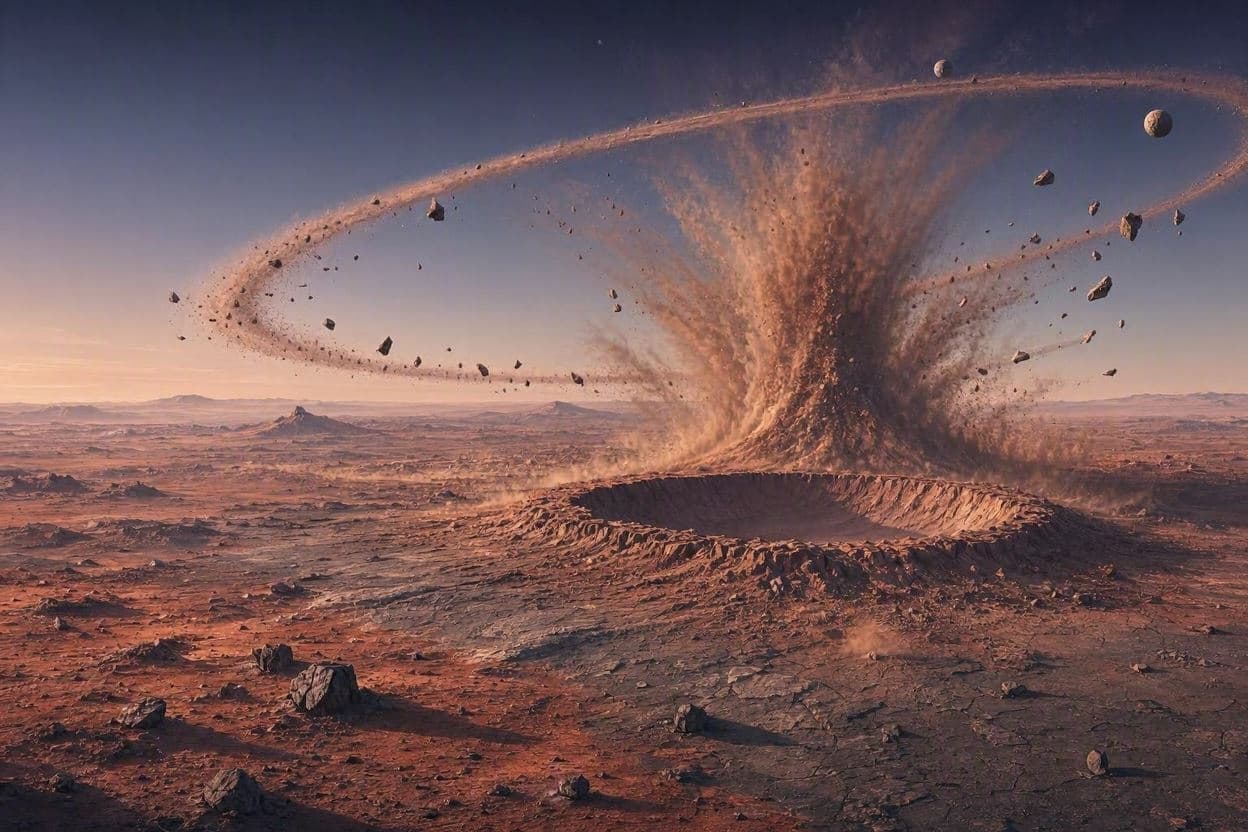
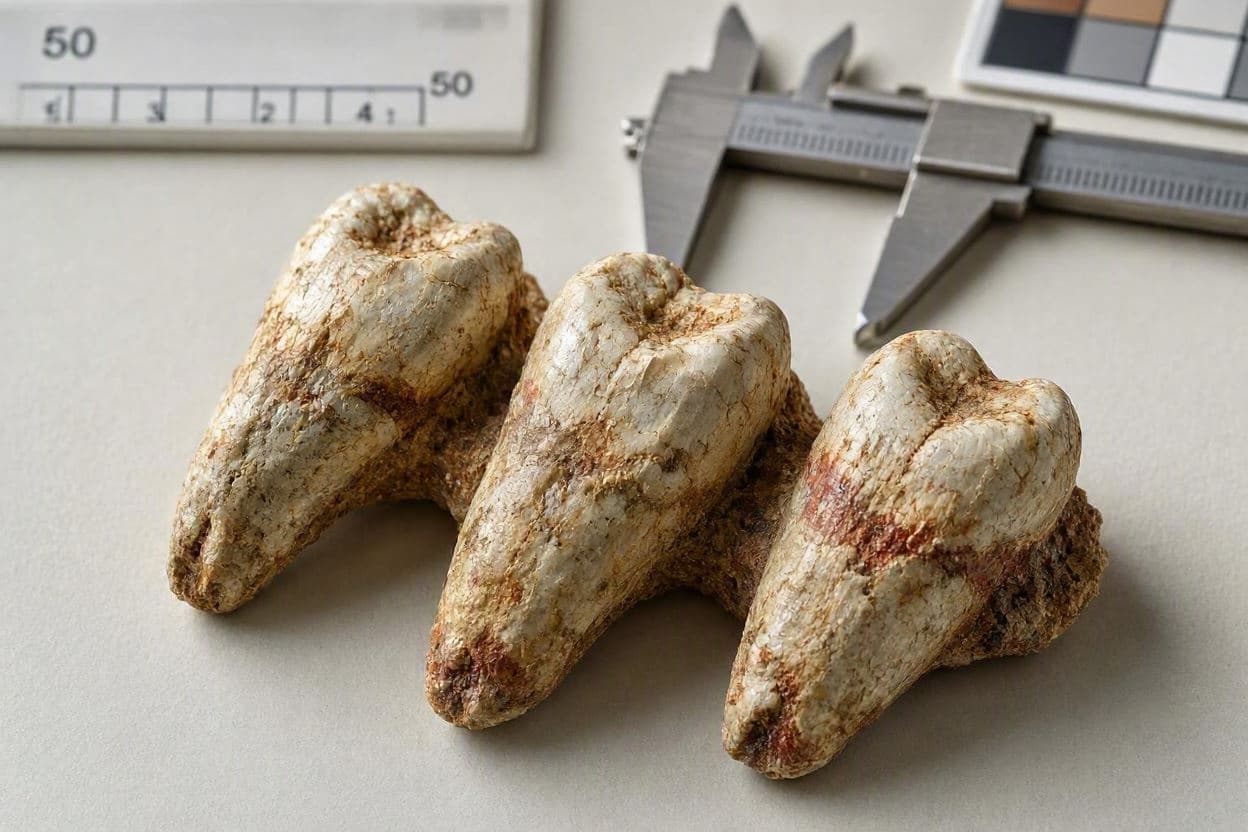
AI Image Disclaimer: The images accompanying this article are AI-generated illustrations depicting ancient landscapes, fossil research, and prehistoric mammal migration concepts. They are artistic representations, not actual photographs.
Sources:
Journal of Mammalian Evolution PLOS ONE Cambridge University Press Frontiers in Earth Science
Published by Banx Network. This article is part of the Banx decentralized media programme, powered by the BXE token on the XRP Ledger.