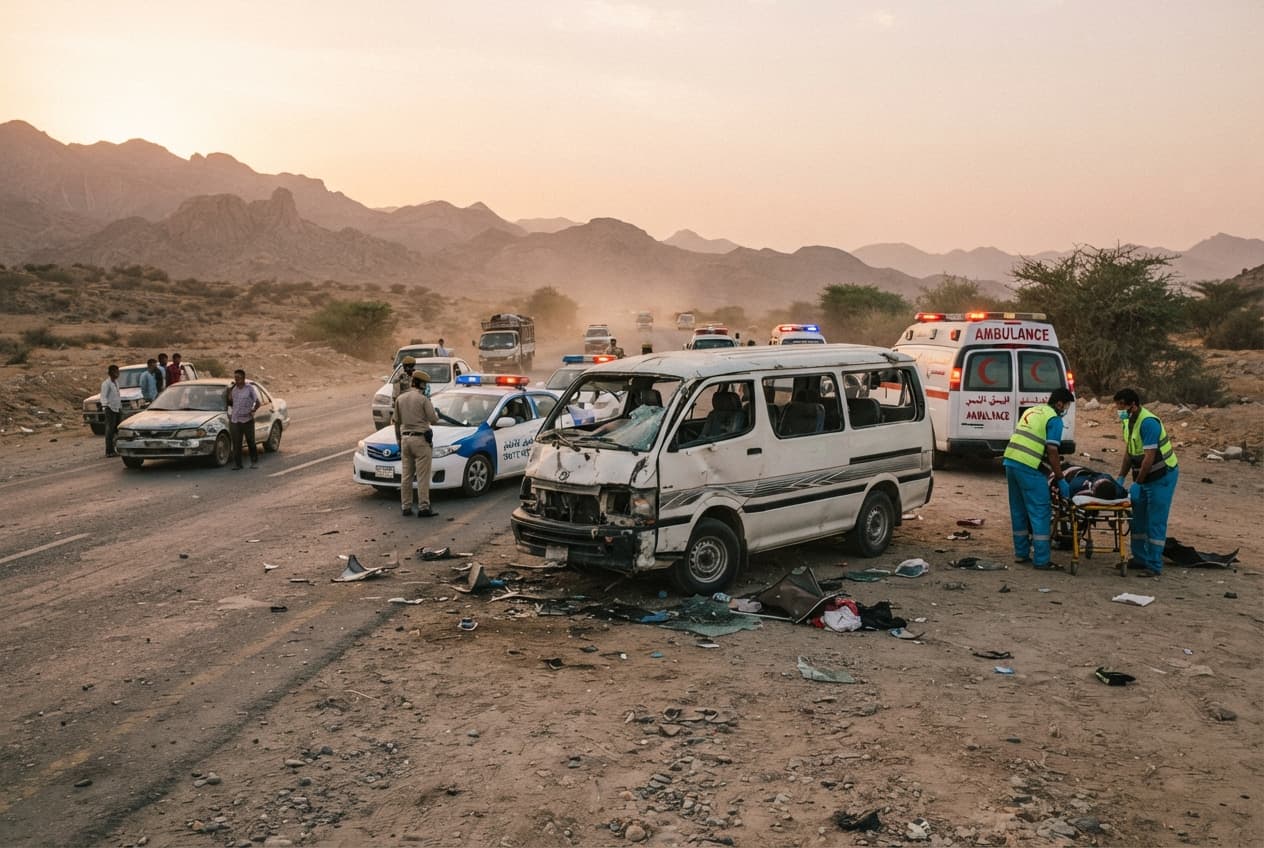
Violent clashes between rival cartel factions erupted along major highway corridors in the state of Sinaloa, prompting international authorities to issue emergency travel warnings for civilians and commercial transport operators in the region. The armed confrontations involved heavy weaponry, blockades of burning vehicles, and tactical maneuvers that paralyzed transit along critical federal expressways. Security forces were dispatched to restore order as terrified motorists sought shelter in nearby service stations.
The violence began early this morning when armed convoys belonging to competing criminal organizations crossed paths along a prominent north-south transit route, initiating a prolonged gunbattle that spilled across multiple lanes of traffic. To prevent the arrival of military reinforcements, the criminal actors seized large commercial trucks from innocent drivers, using them to create burning blockades at key intersections. This tactical maneuvering effectively trapped hundreds of civilian vehicles within the active conflict zones.
Federal and state security forces, including the National Guard, launched a coordinated operation to clear the highway blockades and dislodge the armed cells from the transport infrastructure. Heavy military vehicles equipped with clearing apparatus were deployed to remove the charred remnants of the blockades under armed escort. The intense sound of automatic gunfire kept local towns adjacent to the highways under complete lockdown for several hours.
The government of Canada, alongside other international diplomatic missions, updated its travel advisory database, explicitly warning citizens to avoid non-essential travel to Sinaloa and to shelter in place if currently transit-locked. The advisory highlights that these high-speed arterial roads are highly volatile and that collateral risks to travelers remain extremely elevated during active territorial disputes. Shipping companies have suspended logistics routes through the state until security can be fully verified.
Local medical authorities in nearby municipalities have reported receiving a number of casualties directly tied to the highway crossfire, including several commercial truck drivers who were caught in the initial blockades. Regional hospitals have implemented emergency security protocols, requesting armed protection from state police to safeguard medical staff treating wounded individuals. The exact number of total casualties remains difficult to confirm due to the fluid security environment.
Human rights organizations monitoring the situation emphasize that the use of public infrastructure as active battlegrounds by organized crime networks severely infringes on civilian safety and freedom of movement. Local business coalitions have warned that prolonged closures of these vital economic arteries will lead to immediate supply chain shortages for agricultural goods and manufacturing components. The economic impact is expected to resonate well beyond the borders of Sinaloa.
By afternoon, joint military and police patrols had successfully cleared the primary blockades, allowing stranded motorists to slowly evacuate the area under heavy armed protection. However, smaller skirmishes continue to be reported in rural sectors flanking the main highways, keeping the overall security status at a critical level. Government aircraft are conducting aerial surveillance to monitor for any regrouping of the criminal convoys.
State administrators have pledged to maintain a permanent security presence along the federal highways to deter future incursions and restore confidence among commercial transport operators. Despite these assurances, travel analysts recommend extreme caution, suggesting that motorists entirely avoid nighttime travel through the region for the foreseeable future. The situation remains highly unstable as the rival cartels continue to vie for control of the lucrative smuggling corridors.
Published by Banx Network. This article is part of the Banx decentralized media programme, powered by the BXE token on the XRP Ledger.