In Burnaby, British Columbia, the air recently carried a pungent reminder of industrial risk. A chemical leak at the Parkland Refinery released hydrogen sulfide, a toxic gas with a distinctive rotten egg smell, prompting concerns among residents and officials. Metro Vancouver is now pursuing significant fines against the refinery operator for the incident, which occurred in 2024 but continues to reverberate through regulatory channels. It is a case study in the challenges of balancing industrial activity with public health and environmental safety. Air quality is a public right.
The leak, described as "black gas" due to its dark, ominous nature, exposed gaps in emergency response and monitoring systems. Although contained relatively quickly, the event raised questions about the adequacy of safety protocols at such facilities. Residents reported headaches and nausea, highlighting the immediate health impacts of such exposures. Health is fragile. Protection is essential.
Metro Vancouver’s decision to seek up to 1.2 million in fines signals a strict approach to environmental violations. The regional district argues that strong penalties are necessary to deter future incidents and ensure compliance with air quality standards. Accountability drives improvement. Consequences matter.
Parkland Corporation has acknowledged the incident and stated that it has implemented measures to prevent recurrence. However, trust once broken is hard to rebuild. Community members remain skeptical, calling for greater transparency and independent oversight. Trust is earned through action. Transparency builds confidence.
The investigation also highlights the broader issue of industrial zoning in residential areas. As cities grow, the proximity of refineries to homes increases the potential for conflict. Urban planning must consider these risks carefully. Planning prevents problems. Balance is key.
Environmental advocates use this case to argue for stricter regulations on hazardous materials. They emphasize the need for real-time monitoring and public alerts to protect vulnerable populations. Advocacy influences policy. Voice matters.
For workers at the refinery, the incident serves as a sobering reminder of the dangers inherent in their industry. Safety training and equipment are critical for preventing accidents. Workplace safety is a priority. Care saves lives.
In the end, the "black gas" incident is a cautionary tale for industrial societies. It underscores the need for vigilance, regulation, and community engagement. As fines are pursued and reforms considered, the hope is for a safer and cleaner environment. Safety is shared.
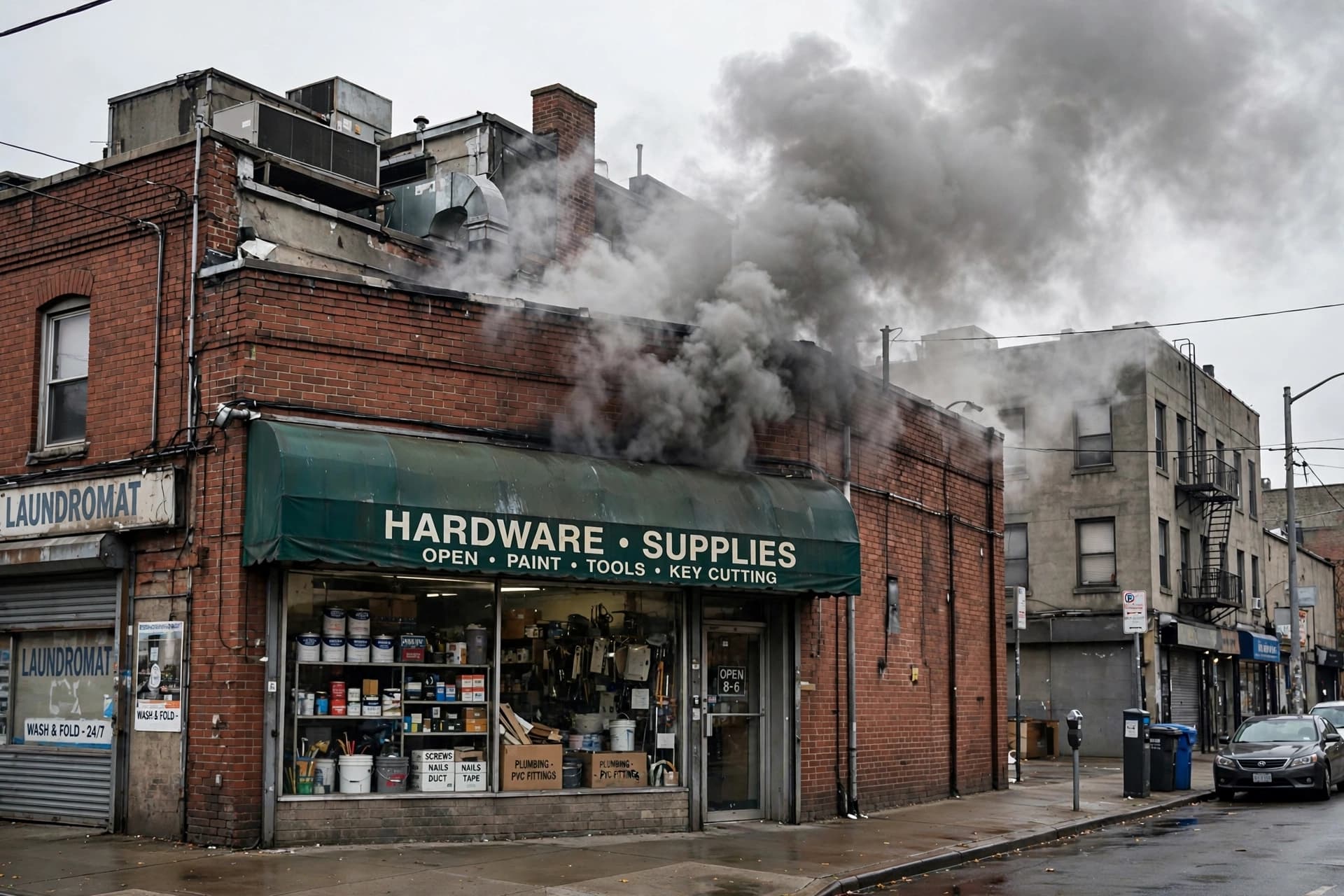
AI Image Disclaimer: The visual aids included here are AI-generated illustrations depicting industrial facilities and environmental themes, not actual photographs of the Parkland Refinery leak or specific air quality monitoring equipment.
Sources: CBC News Metro Vancouver CTV News Vancouver
Published by Banx Network. This article is part of the Banx decentralized media programme, powered by the BXE token on the XRP Ledger.