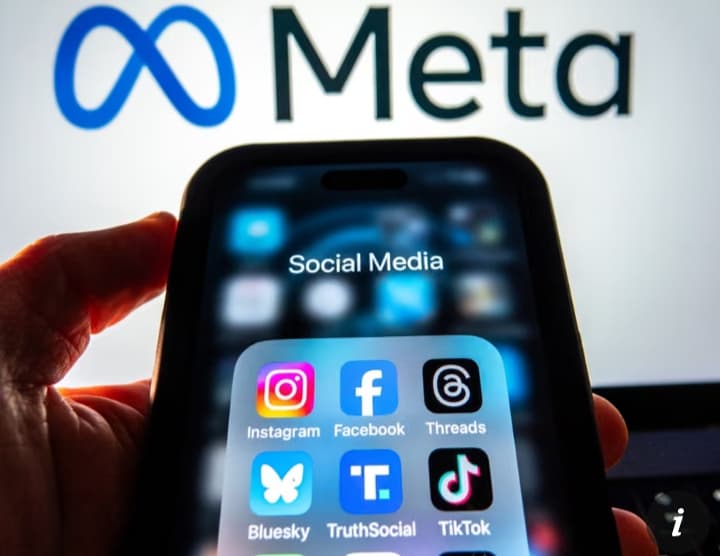
Meta, the parent company of Facebook and Instagram, recently took action to shut down multiple accounts worldwide that were linked to providing information on abortion and queer support. This decision has sparked considerable backlash from advocates, mental health professionals, and activists who argue that such closures limit access to crucial information and resources for individuals seeking guidance on sensitive issues.
The accounts targeted by Meta often shared vital content related to reproductive rights, access to abortion services, and support for LGBTQ+ communities. Many of these pages had cultivated supportive networks where individuals could share their experiences, seek advice, and find community during critical life transitions.
Critics of Meta’s decision contend that shutting down these accounts represents a broader trend of censorship against discussions surrounding reproductive health and queer identity. For many users, these platforms are essential for finding reliable information, particularly in regions where access to such information is restricted.
Advocates have voiced their concern that without these accounts, individuals may struggle to find necessary support. “These closures could lead to misinformation and leave vulnerable groups without the guidance they need,” one activist remarked.
In response to the backlash, Meta stated that the accounts violated their policies regarding content moderation. The company emphasized its commitment to ensuring that information shared on its platforms adheres to guidelines intended to curb misinformation and protect users. However, the impact of these actions on marginalized communities remains a contentious topic.
As the discussion continues, many are calling on Meta to reconsider its approach and engage in dialogue with community representatives to better understand the importance of such resources. The implications of this decision may extend beyond Meta's platforms, influencing policies and discussions surrounding reproductive rights and LGBTQ+ identities across social media.
Published by Banx Network. This article is part of the Banx decentralized media programme, powered by the BXE token on the XRP Ledger.