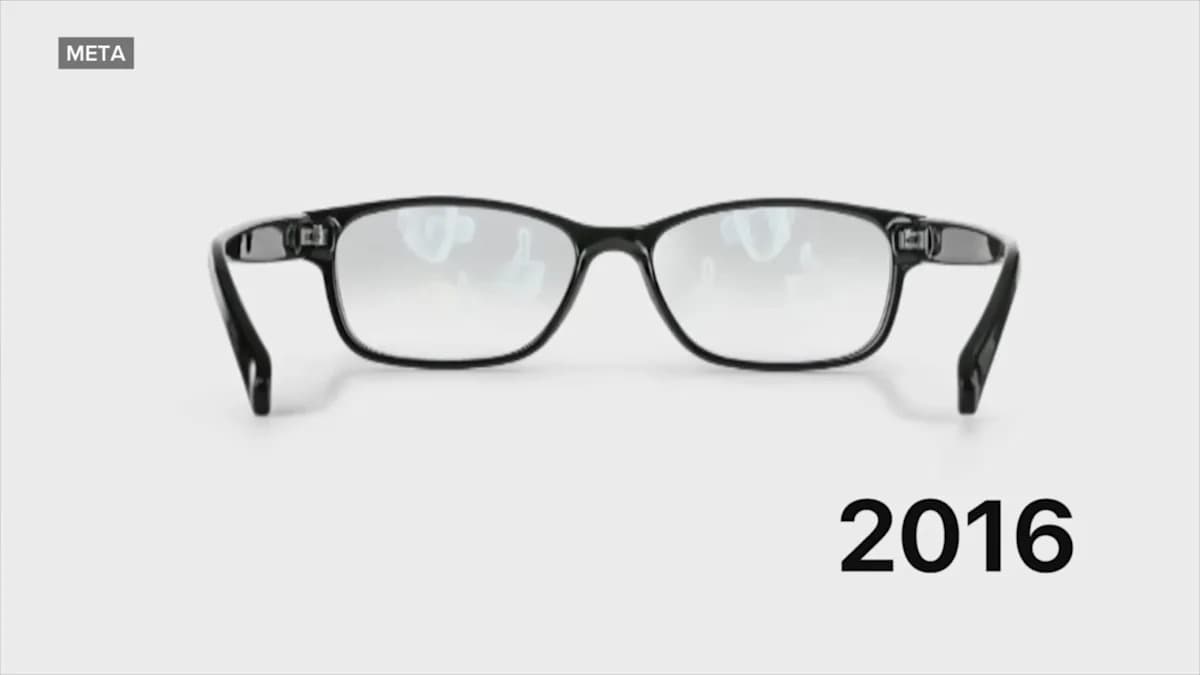
In an ambitious initiative, Meta is set to incorporate facial recognition technology into its smart glasses, aiming to elevate user experience and functionality. This development reflects the company's ongoing commitment to innovation in augmented reality and wearable technology.
The integration of facial recognition is intended to facilitate features such as instant identification of individuals and enhanced interactions with the digital environment. Meta argues that this technology could enrich social experiences by allowing users to connect more seamlessly with their surroundings and the people in them.
However, this plan has sparked a wave of concerns regarding privacy and security. Critics worry that the use of facial recognition in public spaces could lead to unauthorized surveillance and the potential misuse of personal data. Privacy advocates emphasize the need for robust regulations and transparency to ensure that individuals' rights are protected.
Meta has indicated that it is committed to developing the technology responsibly, promising to implement safeguards designed to protect user data and privacy. Nonetheless, as the conversation surrounding facial recognition technology evolves, stakeholders are calling for clear guidelines on its use, especially in consumer products.
As Meta prepares to roll out this feature, the broader implications of integrating such technology into everyday devices will likely fuel ongoing debates about the balance between innovation and privacy. The outcome of these discussions will shape not only consumer acceptance but also regulatory frameworks surrounding emerging technologies in the future.
With this strategic move, Meta positions itself at the forefront of the wearable tech revolution, while navigating the complex landscape of ethical considerations that accompany advancements in facial recognition capabilities.
Published by Banx Network. This article is part of the Banx decentralized media programme, powered by the BXE token on the XRP Ledger.