
Key Highlights
- Meta is set to integrate facial recognition technology into its smart glasses.
- The initiative aims to enhance user experience and social interactions.
- Privacy advocates express concerns over potential misuse and surveillance.
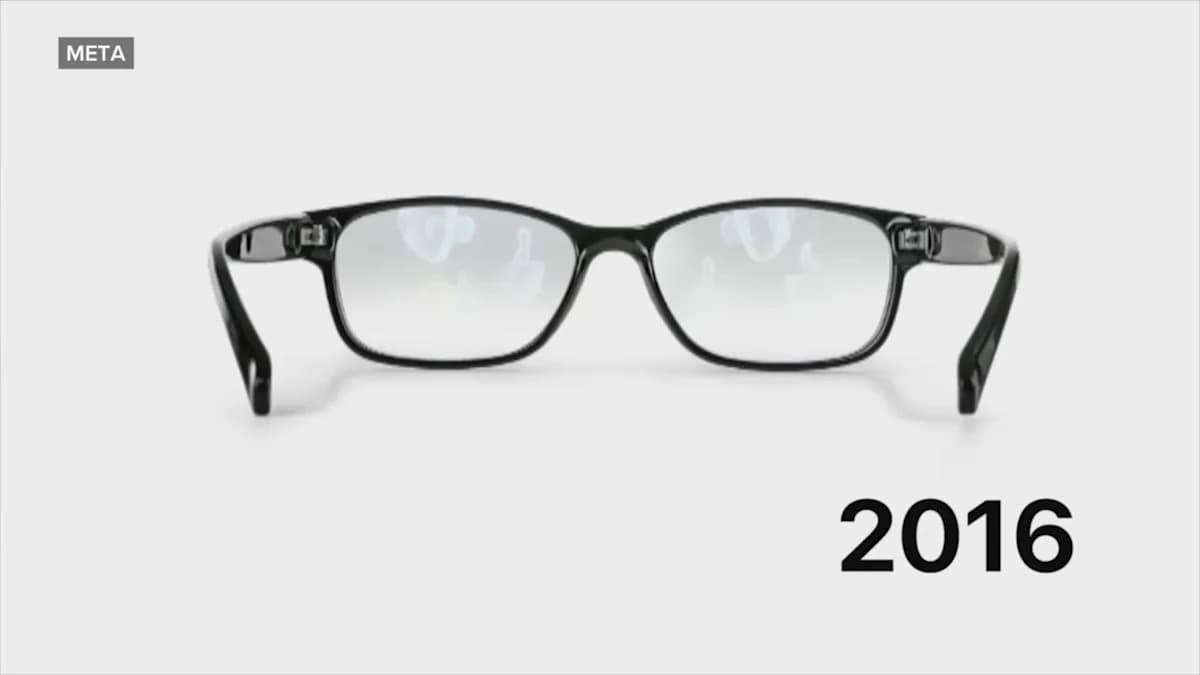
Meta Platforms Inc. is embarking on an ambitious initiative to incorporate facial recognition technology into its upcoming smart glasses. This move is part of the company's broader strategy to enhance user experience and functionality in the realm of augmented reality and wearable technology. By integrating this advanced technology, Meta aims to facilitate features such as instant identification of individuals, allowing users to interact more seamlessly with their digital environment.
The integration of facial recognition is expected to enrich social experiences, enabling users to connect more effectively with their surroundings and the people within them. Meta argues that this technology could revolutionize how individuals engage with their environment, making interactions more intuitive and personalized. However, the announcement has not come without its share of controversy.
Critics have raised significant concerns regarding privacy and security implications associated with the use of facial recognition in public spaces. Privacy advocates warn that such technology could lead to unauthorized surveillance, raising the specter of a society where individuals are constantly monitored. The potential misuse of personal data is another critical issue, prompting calls for stringent regulations and transparency to safeguard individuals' rights.
In response to these concerns, Meta has stated its commitment to developing the technology responsibly. The company has promised to implement safeguards designed to protect user data and privacy. However, as the conversation surrounding facial recognition technology continues to evolve, stakeholders are urging for clear guidelines on its use, particularly in consumer products like smart glasses.
As Meta prepares to roll out this feature, the implications of integrating facial recognition technology into everyday devices will likely fuel ongoing debates about the balance between innovation and privacy. The outcome of these discussions will not only influence consumer acceptance but also shape regulatory frameworks surrounding emerging technologies in the future.
With this strategic move, Meta positions itself at the forefront of the wearable tech revolution. However, the company must navigate the complex landscape of ethical considerations that accompany advancements in facial recognition capabilities. The path forward will require careful consideration of the societal impacts of such technology, ensuring that innovation does not come at the expense of individual privacy rights.
Published by Banx Network. This article is part of the Banx decentralized media programme, powered by the BXE token on the XRP Ledger.



