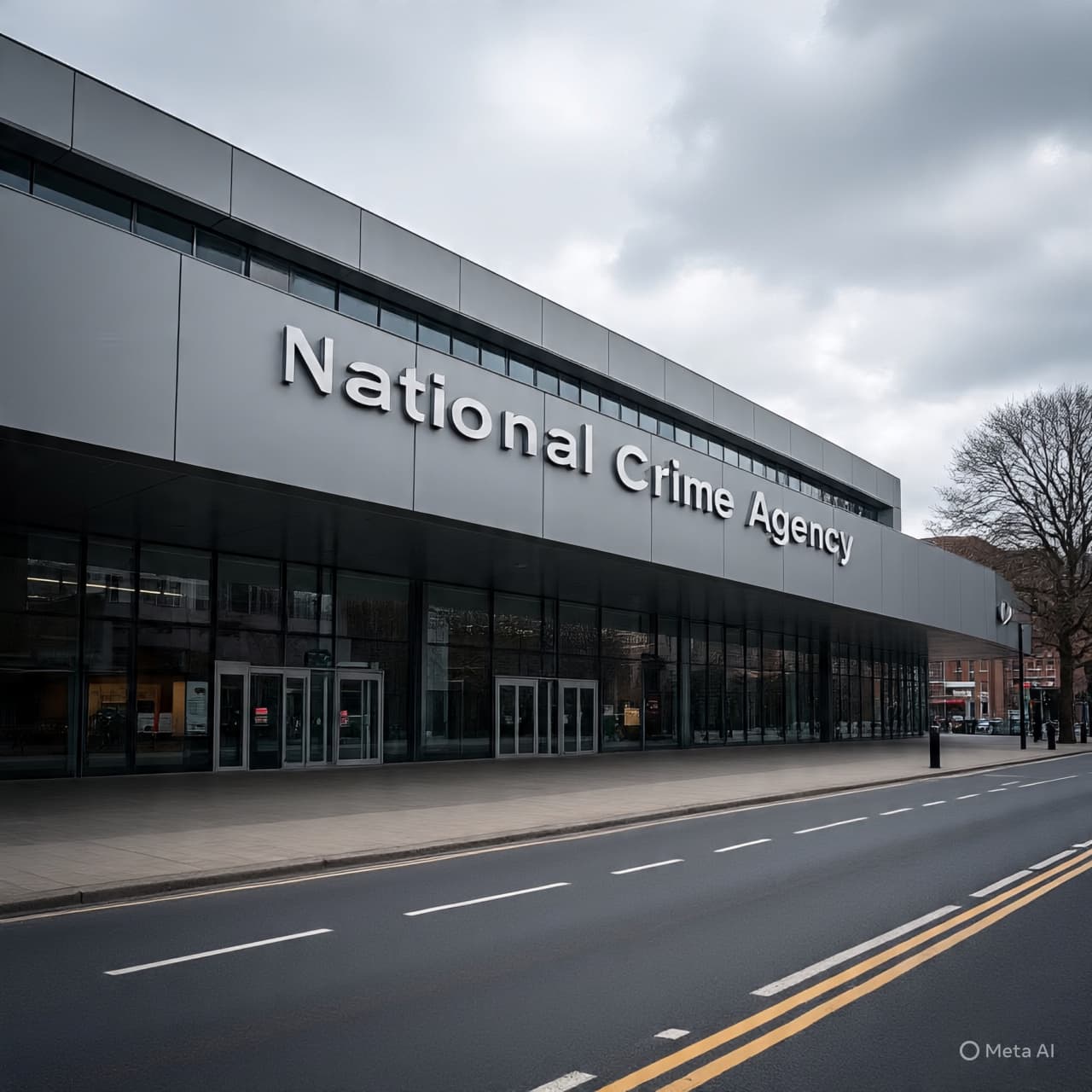
Meta says it has worked alongside the United Kingdom’s National Crime Agency and the Nigerian Police Force in an operation aimed at disrupting an alleged online scams center operating in Nigeria, underscoring the growing cross-border nature of digital fraud.
The joint effort reflects a broader shift in how technology companies and law enforcement agencies approach online crime. Fraud schemes that once operated within national borders now frequently span continents, targeting victims through social media platforms, messaging apps, and email. Authorities in Europe, North America, and Africa have increasingly emphasized cooperation as a necessary tool in combating these networks.
According to statements from the agencies involved, the operation focused on identifying and disrupting accounts and infrastructure believed to be linked to organized scam activity. While specific operational details were not publicly disclosed, officials described the collaboration as part of ongoing efforts to address cyber-enabled financial crime, including romance scams, investment fraud, and impersonation schemes.
Meta has faced sustained pressure in recent years to take stronger action against fraudulent activity on its platforms. The company says it has expanded its threat detection systems and strengthened partnerships with international law enforcement. In cases involving suspected organized criminal activity, technology firms may provide digital intelligence or suspend accounts tied to coordinated harmful behavior, while law enforcement agencies pursue investigations on the ground.
For the UK’s National Crime Agency, online fraud has become one of the most prevalent forms of crime affecting British residents. Officials have repeatedly warned that many schemes are orchestrated overseas, making international cooperation critical. Meanwhile, Nigerian authorities have also stepped up public messaging and enforcement actions against cybercrime, seeking to address both domestic and international concerns about fraud networks operating within the country.
Cybercrime experts note that dismantling a single alleged scam center rarely eliminates the broader threat. Fraud networks often reorganize, shift platforms, or relocate operations. As a result, sustained coordination between technology companies and police agencies is viewed as essential rather than optional.
The operation also highlights the delicate balance between enforcement and due process. Authorities generally avoid releasing extensive operational details while investigations are ongoing. Companies, for their part, must navigate privacy obligations and platform governance standards while responding to law enforcement requests.
Nigeria has long been a focal point in discussions about online fraud, though officials there stress that cybercrime represents only a small fraction of the country’s broader digital economy. The Nigerian government has introduced cybercrime legislation and established specialized units within law enforcement to address digital offenses.
For Meta, the collaboration serves as both a compliance measure and a reputational safeguard. Social media platforms remain central to communication and commerce worldwide, but they are also exploited by bad actors seeking to manipulate trust and personal relationships for financial gain.
As digital ecosystems continue to expand, experts say that partnerships between private technology companies and public authorities will likely become more structured and frequent. Whether such efforts significantly reduce online fraud over time remains an open question, but coordinated disruption is increasingly seen as one of the most practical responses available.
Published by Banx Network. This article is part of the Banx decentralized media programme, powered by the BXE token on the XRP Ledger.