The future of artificial intelligence is increasingly being measured not only in algorithms and models, but in the physical infrastructure that allows those systems to exist. Behind the quiet glow of computer screens, enormous facilities are consuming electricity, processing data, and transforming the geography of modern technology.
Meta is among the companies moving rapidly in that direction. The company has been expanding its computing capacity as artificial intelligence becomes more deeply integrated into services across Facebook, Instagram and its broader digital ecosystem. Reuters reported that Meta planned to begin production of a custom AI chip in September as part of a larger effort to expand its computing power.
The chip, known internally as Iris, belongs to Meta’s Meta Training and Inference Accelerators program. The strategy reflects a broader movement among major technology companies to design more of their own computing components rather than relying entirely on outside chip suppliers.
Meta’s internal plans indicated that the company was targeting seven gigawatts of computing infrastructure during 2026, with another major expansion planned for the following year. The company has said it could spend as much as $145 billion on AI infrastructure this year, placing its investment among the largest technology spending programs in the industry.
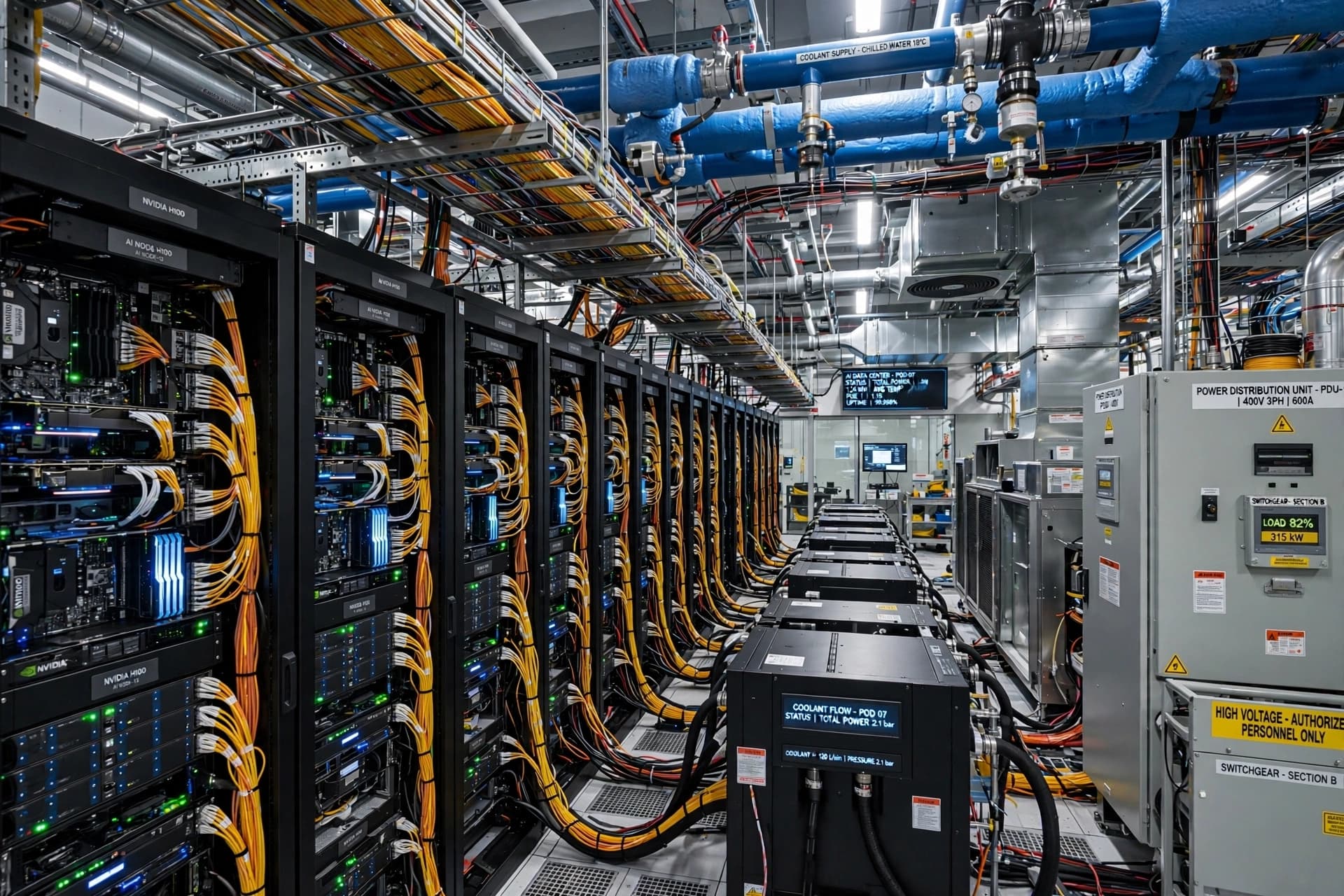
Such numbers can be difficult to visualize. A gigawatt is not simply another unit on a financial spreadsheet; it represents an enormous amount of physical capacity. As AI systems become larger and more complex, the demand for electricity, cooling systems, fiber connections, memory and specialized processors grows alongside them.
That demand is also changing relationships between technology companies and semiconductor manufacturers. Meta has secured long-term supply agreements involving memory, storage and fiber-optic equipment, reflecting the growing importance of reliable component supplies as companies compete to build data centers at increasing speed.
Custom chips are another part of that calculation. By developing processors internally, Meta can attempt to tailor hardware to the specific requirements of its AI systems. The approach does not eliminate dependence on the broader semiconductor industry, but it can give the company greater control over how computing resources are designed and deployed.
The infrastructure race also illustrates how the AI economy is becoming increasingly physical. What once appeared primarily as software development now involves construction projects, electrical grids, semiconductor factories, cooling equipment and global supply chains. The invisible world of algorithms is being built on a very visible industrial foundation.
Meta’s expansion therefore belongs to a much larger technological transition. Artificial intelligence is moving from experimental laboratories into everyday digital services, and the companies supporting that transition are investing heavily in the machinery required to keep it running.
For Meta, the coming years will show how efficiently those investments can be translated into useful AI services. For the wider technology industry, the expansion of computing infrastructure suggests that the next stage of the AI race may depend as much on physical capacity as on software innovation.
Image Disclaimer:
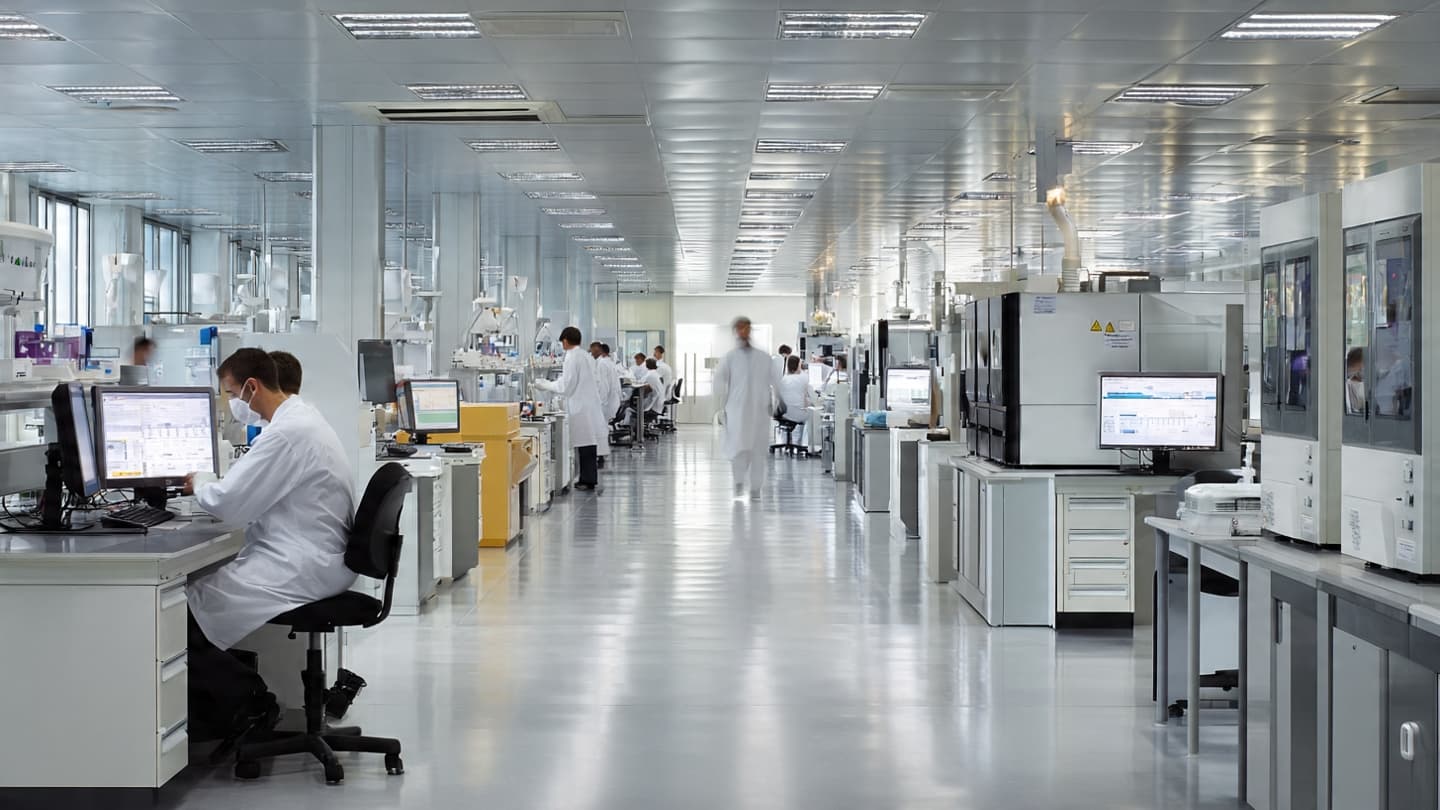
Visuals are AI-generated and serve as conceptual representations of Meta’s AI infrastructure and data-center expansion.
Sources:
Reuters Meta Broadcom Samsung Electronics Forrester
Published by Banx Network. This article is part of the Banx decentralized media programme, powered by the BXE token on the XRP Ledger.