The boundary between science fiction and reality has grown increasingly porous in recent years. Today, as a SpaceX rocket prepares to ascend into the Florida sky, it carries not just cargo, but a symbol of a new era in space operations: a satellite repair drone equipped with robotic arms. This mission represents a shift from the disposable nature of early spaceflight to a future where assets in orbit are maintained, repaired, and extended, much like machinery on Earth. It is a moment that invites us to look up with renewed wonder.
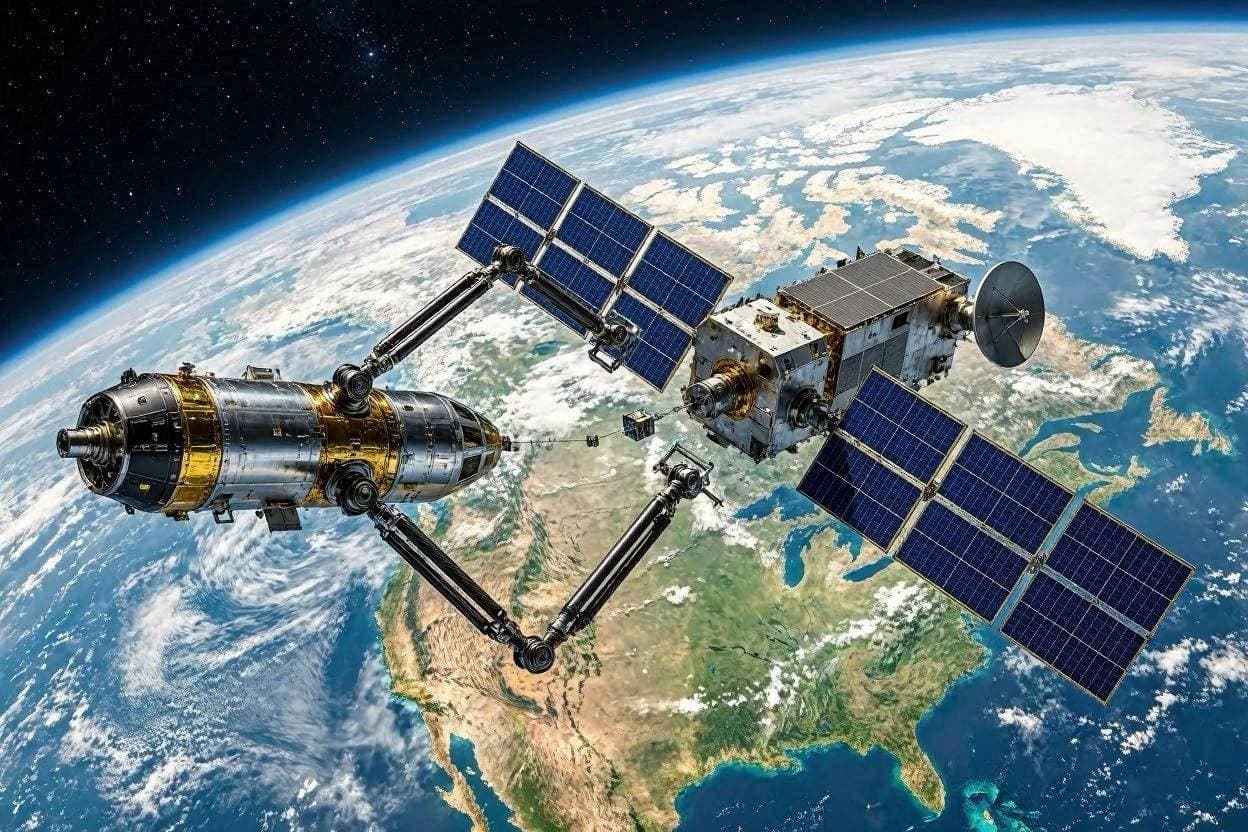
Body: The payload, often referred to as a servicing spacecraft, is designed to approach defunct or aging satellites and perform delicate maneuvers. Using advanced robotic arms, the drone can grasp, refuel, or even replace components on existing hardware. This capability transforms the orbital environment from a graveyard of obsolete technology into a sustainable workshop, reducing space debris and maximizing the utility of billion-dollar investments.
For viewers around the world, the launch offers a rare opportunity to witness this technological leap in real time. SpaceX has made the event accessible through its live streaming platforms, allowing anyone with an internet connection to share in the anticipation. The countdown is not merely a procedural step but a collective breath held by engineers, scientists, and enthusiasts who understand the precision required for such a complex operation.
The technical challenges of orbital rendezvous are immense. The drone must navigate the vacuum of space with millimeter-level accuracy, matching the speed and orientation of its target without causing damage. This requires sophisticated software and robust mechanical design, honed through years of simulation and testing. The success of this mission could set a precedent for future commercial servicing contracts, opening a new sector of the space economy.
Beyond the economic implications, there is an environmental argument for satellite repair. By extending the lifespan of existing satellites, we reduce the need for frequent launches, thereby lowering the carbon footprint associated with space access. It also helps mitigate the growing problem of space junk, which poses a risk to active missions and future exploration. This mission is a small but significant step toward responsible stewardship of the orbital domain.
Public engagement with such events highlights the enduring human fascination with space. Watching a rocket lift off is a visceral experience, connecting us to the pioneering spirit of exploration. As the drone deploys its arms in the quiet of orbit, it serves as a reminder that our reach is expanding, not just in distance, but in capability and sophistication.
As the launch window approaches, attention turns to the Falcon 9 rocket standing ready on the pad. The reliability of this vehicle has become a cornerstone of modern space access, enabling missions that were once considered too risky or expensive. Today’s flight is another chapter in that story, demonstrating how routine access to space is enabling extraordinary innovations.
Closing: Whether you watch from a screen or imagine the scene from afar, the launch of the satellite repair drone marks a pivotal moment in space history. It signals a transition toward sustainability and precision in orbit. As the rocket climbs, it carries with it the promise of a more durable and responsible presence among the stars.
AI Image Disclaimer: The visuals accompanying this article are AI-generated concepts of satellite servicing and rocket launches, designed to illustrate the technological themes discussed.
Sources: SpaceX Official Website SpaceNews The Verge NASA Live
Published by Banx Network. This article is part of the Banx decentralized media programme, powered by the BXE token on the XRP Ledger.