In the historic classrooms of Italy, where education has long been a pillar of cultural identity, a new policy has sparked intense debate. Prime Minister Giorgia Meloni’s government has introduced stricter rules for foreign pupils, requiring higher language proficiency and integration standards. This move, seen as a response to pressure from far-right rivals, aims to prioritize national cohesion but has drawn criticism for potentially excluding vulnerable children. It is a moment where politics meets pedagogy. Identity shapes policy.
The new regulations mandate that non-Italian speaking students meet specific linguistic benchmarks before advancing to higher grades. Proponents argue that this ensures equal opportunity and facilitates better social integration. They believe that language is the key to belonging. Fluency fosters unity.
Critics, however, view the rules as discriminatory and impractical. They argue that many immigrant families lack the resources to provide extensive language training, and that the policy may lead to higher dropout rates. Education should be inclusive. Support enables success.
For teachers, the change presents both challenges and opportunities. They must adapt their methods to meet the new standards while ensuring that no child is left behind. Professional dedication is tested. Patience is a virtue.
The political context is significant, with Meloni facing competition from more extreme right-wing parties. By tightening these rules, she aims to consolidate her base and demonstrate a firm stance on immigration. Strategy drives decision. Politics influences practice.
International observers are watching closely, concerned about the impact on Italy’s reputation for hospitality and human rights. The balance between national security and humanitarian values is delicate. Reputation matters. Values define nation.
For the students affected, the uncertainty is stressful. Many are eager to learn and integrate, but the new hurdles may feel insurmountable. Hope meets obstacle. Resilience is required.
In the end, the tightening of foreign pupil rules is a reflection of Italy’s evolving political landscape. It invites dialogue on how best to educate and integrate diverse populations. As the policy is implemented, the hope is for fairness and effectiveness. Education builds future.
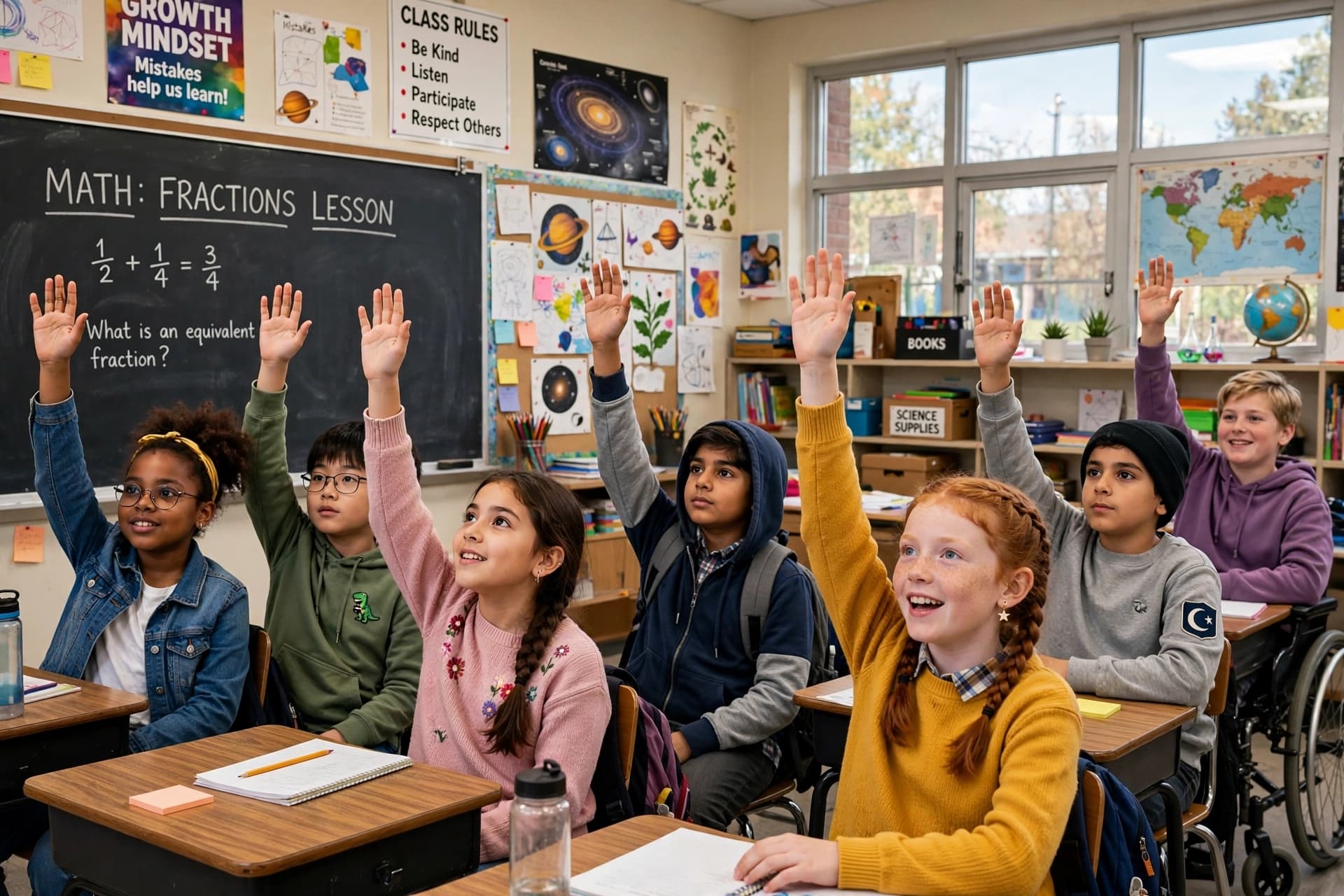
AI Image Disclaimer: The visual aids included here are AI-generated illustrations depicting educational settings and political themes, not actual photographs of Prime Minister Meloni or specific Italian classrooms.
Sources: Reuters The Guardian Al Jazeera
Published by Banx Network. This article is part of the Banx decentralized media programme, powered by the BXE token on the XRP Ledger.