
Key Highlights
- Mélenchon’s Proposal: Jean-Luc Mélenchon aims to end French nuclear cooperation with Germany if he wins the presidency in 2027.
- Criticism of Macron:He criticizes President Emmanuel Macron’s defense commitments with Berlin, suggesting a complete review.
- Parliamentary Consultation:Mélenchon argues that Parliament should have been consulted on nuclear deterrent strategies.
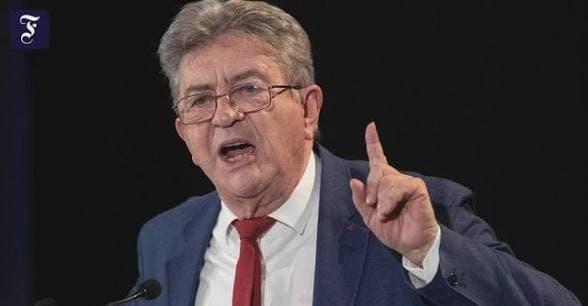
Jean-Luc Mélenchon, the leader of France's left-wing political party La France Insoumise, has made a bold declaration regarding the future of French nuclear policy in relation to Germany. If elected president in 2027, Mélenchon has vowed to end or significantly roll back the existing nuclear cooperation agreements between France and Germany. This announcement comes as part of his broader critique of current French defense strategies, particularly those established under President Emmanuel Macron.
In a recent statement, Mélenchon expressed his discontent with the commitments made by Macron, arguing that they compromise France's sovereignty and strategic autonomy. He stated that any agreements made with Germany concerning defense and deterrence would be subject to a thorough reassessment, emphasizing that he would reconsider these commitments “from A to Z.” This indicates a potential shift in France's defense posture, which has traditionally relied on strong Franco-German cooperation.
Mélenchon’s stance reflects a growing sentiment among some French politicians who believe that the country should maintain a more independent nuclear deterrent strategy. He specifically rejected the notion of shared control or a “shared command” approach for France’s nuclear arsenal, labeling such ideas as unacceptable. This rejection underscores his commitment to preserving France's nuclear sovereignty, which he believes is essential for national security.
The implications of Mélenchon’s proposals could be significant, not only for France's defense policy but also for its relationship with Germany and NATO. By advocating for a withdrawal from cooperative nuclear arrangements, he risks straining ties with Germany, a key ally in European defense initiatives. Furthermore, his approach could provoke concerns among NATO allies about France's commitment to collective security.
As the 2027 presidential election approaches, Mélenchon’s foreign policy proposals will likely become a focal point of debate. His critics argue that such a shift could weaken France's position within Europe and undermine the collaborative efforts that have been built over decades. Supporters, however, view his proposals as a necessary step towards reclaiming national sovereignty in defense matters.
In conclusion, Jean-Luc Mélenchon’s vow to end nuclear cooperation with Germany marks a significant departure from current French defense policy. As he positions himself for the upcoming election, his proposals will undoubtedly spark discussions about the future of France's nuclear strategy and its role in European security.
Published by Banx Network. This article is part of the Banx decentralized media programme, powered by the BXE token on the XRP Ledger.



