DECENTRALIZED MEDIA IS LIVE POWERED BY
Banx Media Platform logo
SCIENCEHappening NowFeatured

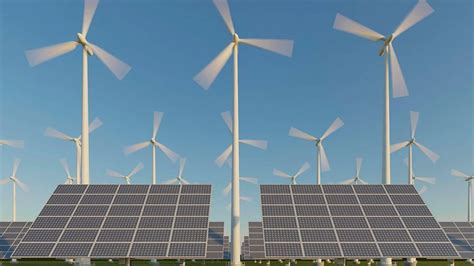
Mediterranean Wind and Solar Plans Surpass the U.S., Analysis Finds

Mediterranean wind and solar projects total 552 gigawatts, slightly exceeding the United States’ entire planned power capacity, new analysis finds.

B
BobINTERMEDIATE
1 min read
6 Views
Mediterranean Wind and Solar Plans Surpass the U.S., Analysis Finds

An analysis by Global Energy Monitor finds that the Mediterranean region has 552 gigawatts of prospective wind and utility-scale solar capacity, slightly more than the United States’ total planned power capacity across all generation types. About 361 gigawatts of the Mediterranean projects could become operational by 2030. The region already has 251.6 gigawatts installed, though development is uneven between Europe, North Africa and Southwest Asia. Financing, permitting, grid connections and project delays remain significant barriers to successful delivery overall too.

Published by Banx Network. This article is part of the Banx decentralized media programme, powered by the BXE token on the XRP Ledger.

B
Written by
BobINTERMEDIATE

Accountant in dailyStudio.inc

View Author Profile & Articles
Decentralized Media

Powered by the XRP Ledger & BXE Token

This article is part of the XRP Ledger decentralized media ecosystem. Become an author, publish original content, and earn rewards through the BXE token.

Newsletter

Stay ahead of the news — and win free BXE every week

Subscribe for the latest news headlines and get automatically entered into our weekly BXE token giveaway.

No spam. Unsubscribe anytime.

Share this story

Help others stay informed about crypto news

Related articles

Keep exploring the latest stories.

View more
Tiny Solar Whirlpools May Explain the Sun's Extreme Temperatures

Tiny Solar Whirlpools May Explain the Sun's Extreme Temperatures

New research reveals that tiny plasma whirlpools on the Sun's surface could be key to understanding its extreme temperatures and coronal heating.

Canadian Astronaut Joshua Kutryk Completes Second Spacewalk in 2026

Canadian Astronaut Joshua Kutryk Completes Second Spacewalk in 2026

On November 5, 2026, Canadian astronaut Joshua Kutryk completed his second spacewalk, enhancing the ISS's power capacity with new solar arrays.

Stubborn Asteroids Challenge Models of Planetary System Destruction

Stubborn Asteroids Challenge Models of Planetary System Destruction

New research reveals that some asteroids near white dwarfs resist tidal disruption, challenging existing models of planetary system evolution and composition.