Fire, in its raw and untamed form, leaves a mark that is both destructive and transformative. In the wake of the Hawk Fire, preliminary assessment teams have begun the solemn task of evaluating the damage inflicted upon the landscape. It is a process that requires patience and precision, as experts walk through charred remains to understand the scope of loss and the path to recovery.
The fire, which swept through the region with alarming speed, has altered the topography and ecology of the area. Trees that stood for decades are now reduced to ash, and homes that sheltered families are gone. For those who lost property, the assessment is not just a technical exercise but an emotional journey through grief and uncertainty.
Assessment teams use specialized tools and methods to document the extent of the burn scar. They look for structural integrity in remaining buildings, assess soil stability, and identify hazards that may pose risks to returning residents. This data is crucial for planning rebuilding efforts and ensuring that future construction is resilient against similar threats.
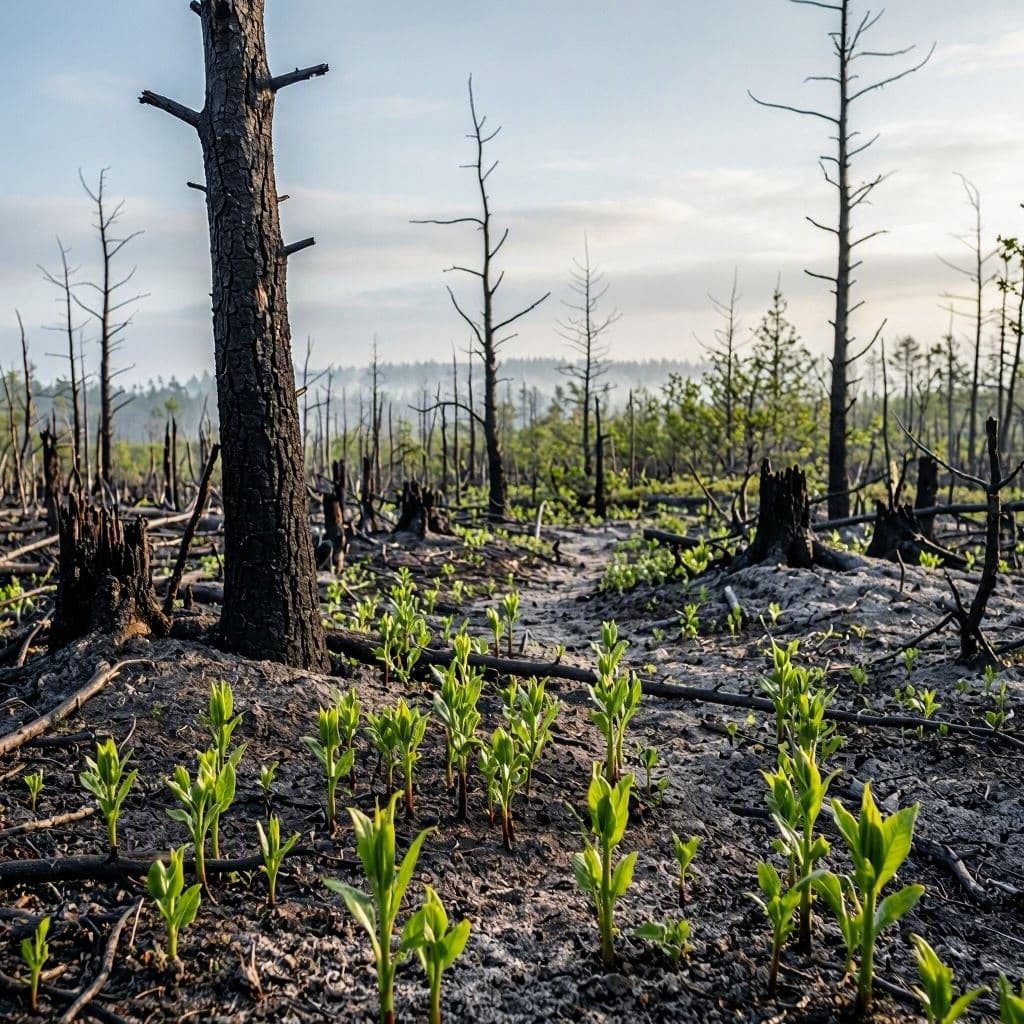
For the local ecosystem, the fire presents both challenges and opportunities. While some species suffer, others rely on fire for regeneration. Ecologists study the aftermath to understand how nature will heal and adapt. This natural cycle, though painful to witness, is a reminder of the resilience inherent in the wild.
Community support plays a vital role during this phase. Neighbors help each other navigate insurance claims and temporary housing solutions. The shared experience of loss fosters a sense of solidarity, as people come together to rebuild not just structures but spirits.
Government agencies and non-profits are coordinating resources to aid in the recovery. Funding, materials, and labor are being mobilized to assist those most affected. The efficiency of this response can significantly impact the speed and quality of reconstruction.
As the assessments conclude, the focus will shift to long-term restoration. Lessons learned from the Hawk Fire will inform better land management and fire prevention strategies. It is a hopeful step toward a future where communities are better prepared for the unpredictability of nature.
Preliminary teams have completed initial damage assessments for the Hawk Fire, providing critical data for recovery efforts. The community now looks toward rebuilding and ecological restoration.
AI Image Disclaimer: The images associated with this article are AI-generated and serve as visual interpretations rather than documentary evidence.
Sources: Cal Fire Local News Outlets Associated Press
Published by Banx Network. This article is part of the Banx decentralized media programme, powered by the BXE token on the XRP Ledger.