The light in Houston shifts gently in late afternoon, settling over neighborhoods where campaign signs linger a few days longer than intended. The city knows elections as a rhythm—turnout, tally, a pause—before life resumes its steady pace. This week, that rhythm carried a quieter adjustment, one measured not in cheers but in margins, as a runoff concluded and the balance in Washington tilted by a single seat.
Christian Menefee, a Democrat and the Harris County attorney, is projected by CNN to win a special runoff election for a U.S. House seat in Texas. The result follows weeks of campaigning shaped by local concerns and national attention, a contest watched closely for what it might add or subtract from a closely divided Congress. With the projection, Republicans’ already narrow majority in the House grows slimmer, the arithmetic of governance tightening by another degree.
Menefee’s path to the runoff ran through a crowded field and a district accustomed to political churn. The seat, vacated earlier this year, drew candidates who spoke to the region’s mix of urban density and suburban reach. In the final stretch, the campaign narrowed its focus—on turnout operations, on familiar streets, on the promise that representation can still be personal even as stakes feel national. The runoff format, designed to produce clarity, did so without spectacle.
The numbers matter because the chamber does. A one-seat shift can alter committee ratios, influence the timing of votes, and sharpen negotiations already marked by thin margins. For House leaders, every absence now weighs more heavily; for rank-and-file members, each vote carries added gravity. The projection does not reorder power overnight, but it compresses it, making compromise and cohesion both more necessary and more elusive.
Texas, often framed as a study in contrasts, offered another reminder of its electoral complexity. Urban counties continue to evolve demographically and politically, while statewide narratives remain contested. Special elections, typically quieter than general cycles, can reveal these undercurrents with unusual clarity, unfiltered by the noise of a full ballot. This one did so by drawing national eyes to a local decision.
Menefee’s background as a county attorney placed legal process and public administration at the center of his campaign language. Supporters spoke of continuity and competence; opponents pressed their own case with equal resolve. The runoff, by its nature, distilled those arguments into a binary choice, leaving little room for ambiguity once ballots were counted.
As the projection settles into the record, the immediate consequence is straightforward: a Democratic pickup and a House majority that grows more precarious. The broader meaning will unfold more slowly, through committee rooms and floor votes, through the everyday mechanics that translate elections into policy. In Houston, the signs will come down, the sidewalks will clear, and the city will return to its cadence—having nudged the nation’s balance by a single, deliberate step.
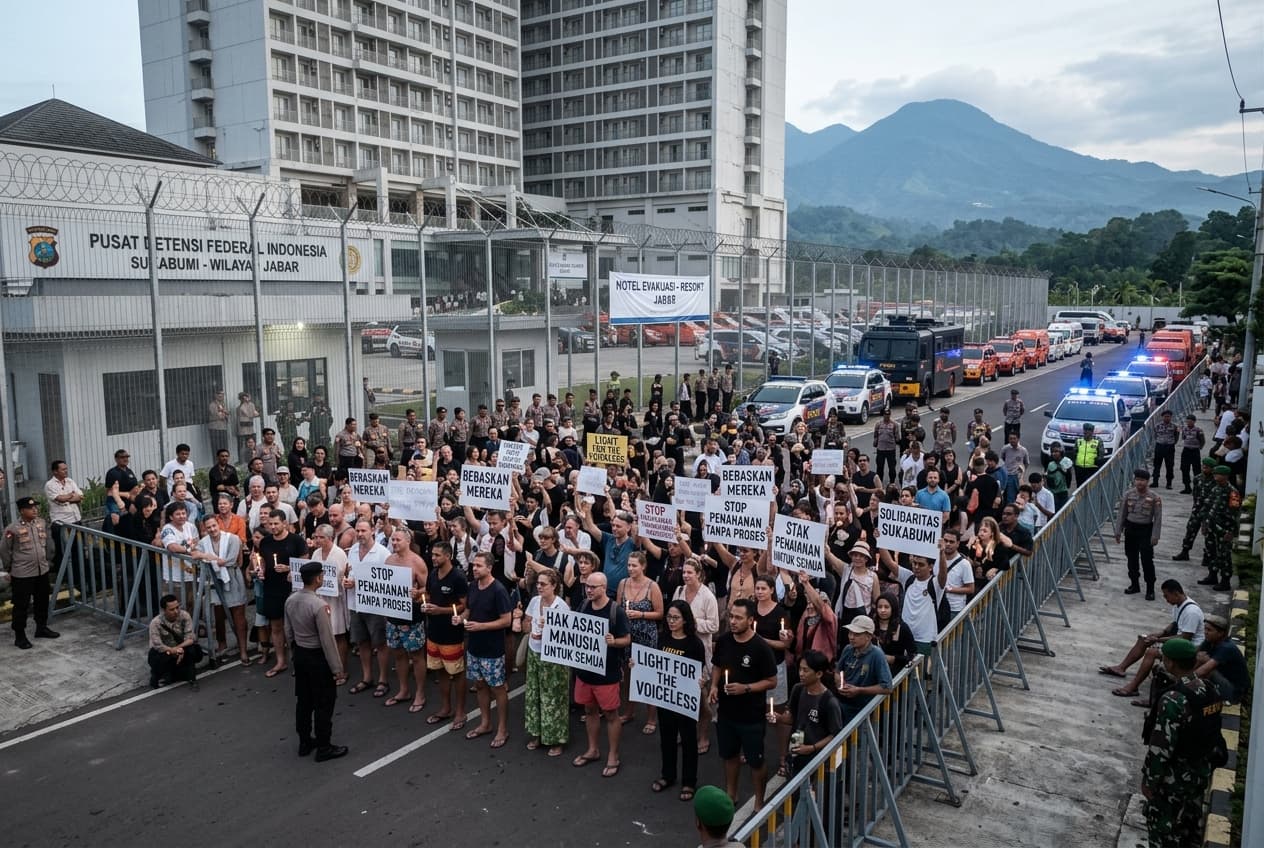
AI Image Disclaimer Visuals are AI-generated and serve as conceptual representations.
Sources CNN Texas Secretary of State Harris County Elections Associated Press
Published by Banx Network. This article is part of the Banx decentralized media programme, powered by the BXE token on the XRP Ledger.

.jpg&w=3840&q=75 "Same-Sex Couple Sue Slovakia Over Refusal to Register Their Marriage")