
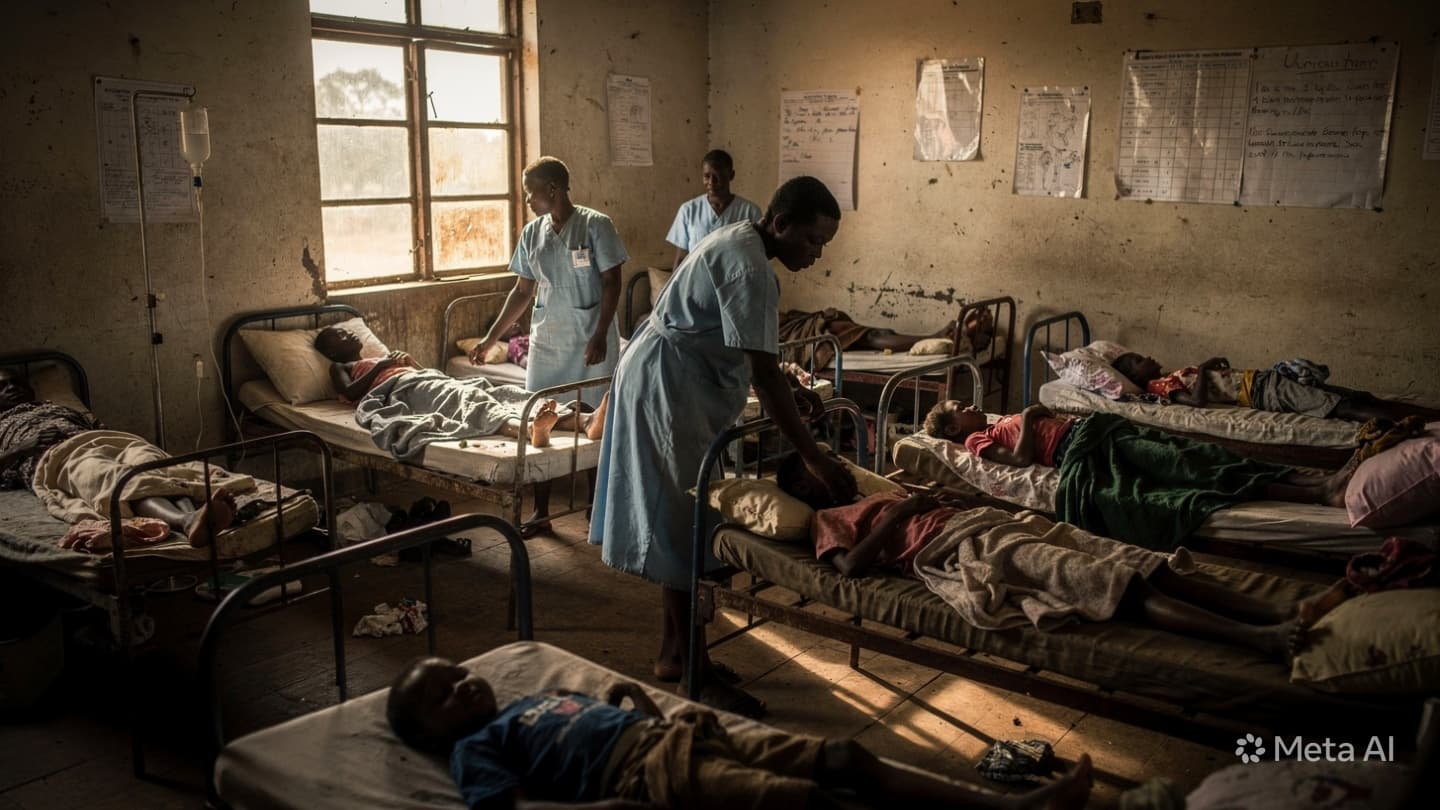
Key Highlights
- Location:Eastern DR Congo is facing a severe measles outbreak.
- Impact:Child fatalities are rising due to inadequate healthcare resources.
- Challenges:Ongoing conflict and lack of vaccination are exacerbating the crisis.
Goma, DR Congo—The healthcare system in eastern provinces is buckling under the weight of a persistent measles outbreak. Complications from the virus are claiming the lives of young children at an alarming rate, prompting concern from local doctors and international aid groups. The combination of pre-existing conflict and a lack of reliable vaccine access has created a fertile ground for the disease to spread, with clinics in the hardest-hit zones consistently over capacity.
Parents are trekking for days through insecure terrain to reach the few remaining functional health centers. They arrive carrying children who are often too far gone for standard treatments to have an impact. Medical staff are stretched to the breaking point, frequently lacking basic supplies like antibiotics or rehydration salts. A simple respiratory complication for a child with measles is becoming a death sentence, highlighting the dire state of healthcare in the region.
The outbreak is particularly devastating in regions where displaced populations live in overcrowded, unsanitary conditions. Social distancing is impossible in these camps, and the lack of clean water renders hygiene practices ineffective. Once the virus enters a camp, it tears through the child population with devastating speed. The density of the population ensures that transmission chains remain active despite local efforts to quarantine.
Official health data remains difficult to verify due to the presence of armed groups and restricted access to certain territories. What does reach the capital is likely a significant undercount of the actual toll. Field staff report that many deaths occur at home, away from any clinical record or official count. Consequently, the true mortality figure is likely far higher than what is currently being reported.
Coordination between local authorities and international humanitarian actors has been inconsistent. Resources are frequently diverted to address other emergencies in the region, leaving the measles response chronically underfunded. There is a palpable sense of frustration among nurses and doctors who witness preventable deaths occurring daily. They are fighting a war on two fronts: one against the virus and another against systemic neglect.
The lack of consistent immunization campaigns is a core driver of this crisis. Security concerns prevent teams from moving into the most volatile zones, leaving large pockets of children entirely unprotected. Without a robust, sustained vaccination program, the virus will continue to find new hosts. The current approach of reactive, localized responses is failing to stop the broader spread of the disease.
Staff at the provincial level have issued multiple warnings regarding the rising number of cases. These reports describe a health sector that has been hollowed out by years of instability and mismanagement. Infrastructure that was fragile before the outbreak has now effectively failed. There is no plan in place to surge the necessary supplies or personnel to reverse the current trend.
The immediate outlook remains grim for families residing in these high-risk areas. As long as the insecurity persists, medical teams will continue to face barriers that prevent them from delivering the necessary preventative measures. No end to the crisis is currently in sight for the communities struggling to keep their children alive.
Published by Banx Network. This article is part of the Banx decentralized media programme, powered by the BXE token on the XRP Ledger.



