On the bustling streets of Seattle, where traffic flows and pedestrians navigate a complex urban landscape, a new directive aims to prioritize safety and speed. Mayor Katie Wilson has signed an executive order to accelerate street safety improvements, focusing on high-injury networks and busy corridors. This move reflects a proactive approach to Vision Zero, the city’s initiative to eliminate traffic fatalities and serious injuries by 2030. It is a commitment to making the roads safer for everyone, from drivers to cyclists and walkers.
The order targets specific areas identified as high-risk, such as Aurora Avenue North and Rainier Avenue South. These corridors have historically seen higher rates of collisions and injuries, prompting urgent action. By streamlining bureaucratic processes and allocating resources more efficiently, the city hopes to implement changes faster than before. This includes installing pedestrian head-start signals, improving crosswalk visibility, and adding protected bike lanes.
For residents, the promise of quicker improvements is welcome news. Many have long advocated for safer streets, citing near-misses and accidents in their neighborhoods. The mayor’s directive acknowledges these concerns and responds with tangible actions. It signals a shift from planning to execution, ensuring that safety measures are not just proposed but realized. This responsiveness builds trust between the city government and its citizens.
The overhaul also involves upgrading city vehicle fleets to enhance safety for both employees and contractors. By prioritizing vehicles with better safety features, the city sets an example for responsible driving. Additionally, adjustments to traffic signal timing and street design aim to reduce speeds and improve flow. These technical changes, though subtle, can have a significant impact on reducing the severity of crashes.
Community engagement remains a key component of the strategy. Residents are encouraged to provide feedback on proposed changes, ensuring that local needs are met. Public meetings and online platforms allow for dialogue, fostering a sense of ownership over the improvements. This collaborative approach helps identify potential issues early and ensures that solutions are practical and effective.
The focus on high-injury networks is data-driven, using crash statistics to guide decision-making. By targeting the most dangerous areas first, the city maximizes the impact of its investments. This strategic approach ensures that resources are used where they are needed most, saving lives and preventing injuries. It is a model of efficient and effective urban planning.
Critics may argue that rapid implementation could lead to unforeseen problems or insufficient community input. However, the mayor’s office emphasizes that the order includes safeguards to ensure quality and compliance with standards. Regular monitoring and evaluation will help adjust strategies as needed, ensuring that the improvements achieve their intended goals. Flexibility and adaptation are key to success.
In the end, Mayor Wilson’s order is a step toward a safer and more livable city. It demonstrates a commitment to protecting vulnerable road users and improving quality of life. For Seattle, it is a vision of streets that are not just thoroughfares but safe spaces for community interaction. The hope is that these changes will lead to a significant reduction in traffic harm, making the city a model for others.
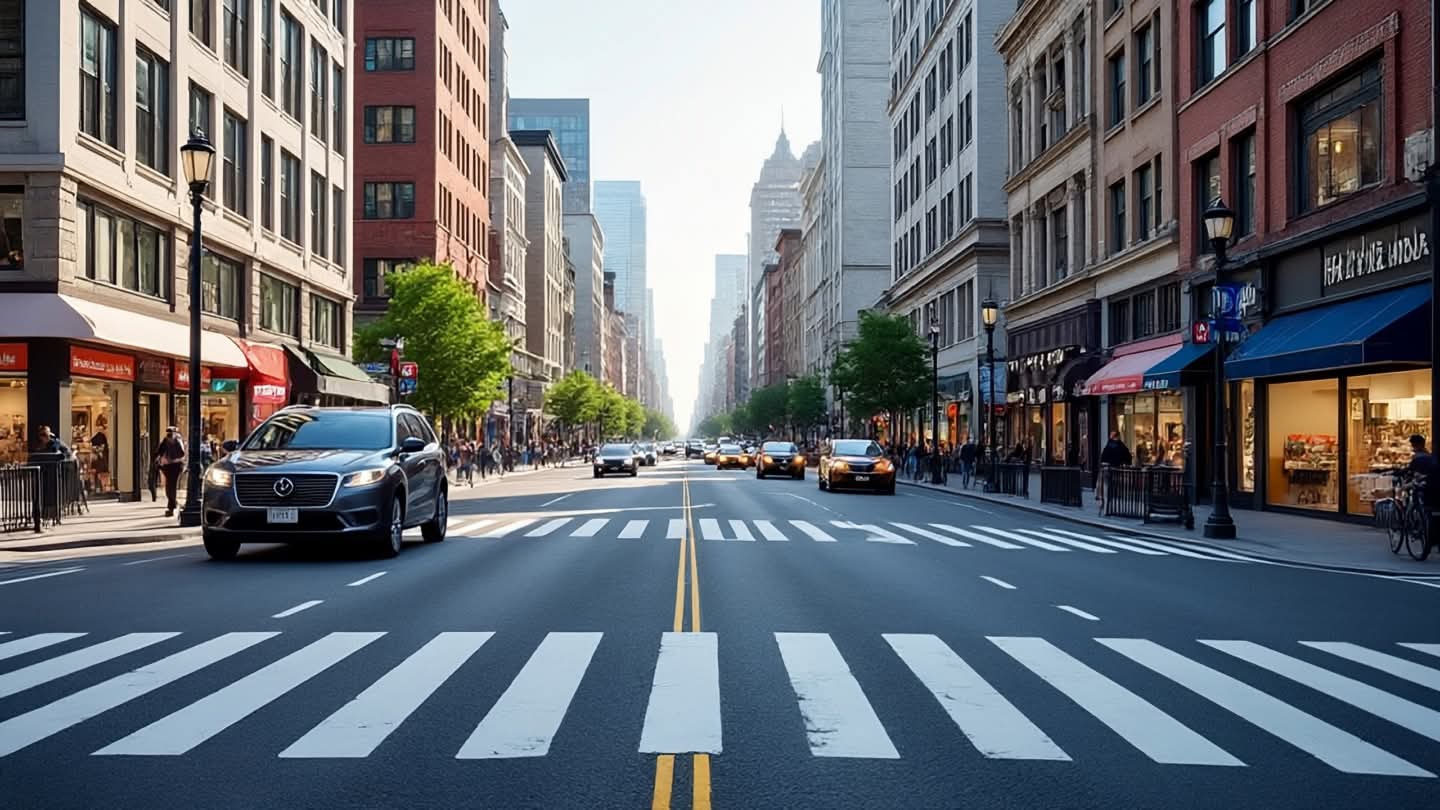
AI Image Disclaimer: Images accompanying this report are AI-generated artistic interpretations of urban streets and abstract symbols of safety and progress, intended to visualize the context of the executive order without depicting real proprietary city maps or specific accident sites.
Sources: Seattle Bike Blog, MyNorthwest, KOMO News, The Urbanist
Published by Banx Network. This article is part of the Banx decentralized media programme, powered by the BXE token on the XRP Ledger.