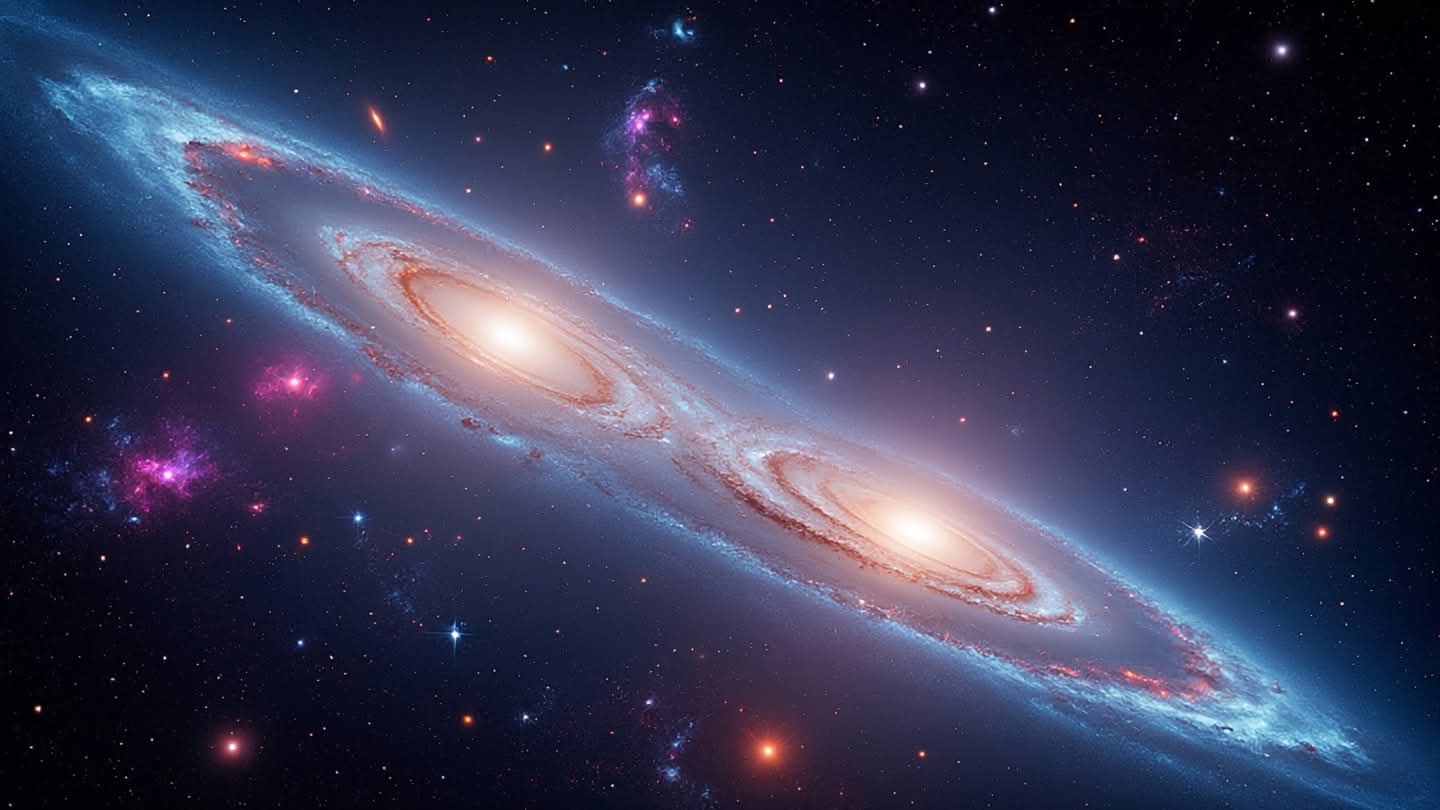
Long before our sun ignited, the Milky Way was a chaotic scene of cosmic construction. Recent astronomical research suggests that a massive collision with another galaxy approximately 12 billion years ago played a pivotal role in shaping our home galaxy. This ancient event, identified through detailed analysis of star movements and chemical compositions, offers a glimpse into the violent yet creative forces that built the structure we see today.
Using data from the European Space Agency’s Gaia mission, astronomers have traced the origins of stars in the Milky Way’s halo and thick disk. They found evidence of a merger with a dwarf galaxy, often referred to as "Kraken" or associated with the earlier phases of the Gaia-Sausage-Enceladus event. This collision did not destroy the Milky Way but rather triggered a burst of star formation and redistributed mass, laying the groundwork for the spiral arms that would eventually host our solar system.
The timing of this merger is significant. Occurring just a few billion years after the Big Bang, it represents one of the earliest major interactions in the Milky Way’s history. Unlike later mergers that may have added bulk, this early collision influenced the fundamental architecture of the galaxy. It heated the existing disk, causing it to thicken, and injected new material that would fuel generations of stars.
Researchers used sophisticated computer simulations to reconstruct the event, matching theoretical models with observational data. These simulations reveal how the gravitational dance between two galaxies can lead to such profound structural changes. The results suggest that mergers were not rare anomalies but common occurrences in the early universe, essential for the growth of large galaxies like our own.
This discovery also helps explain the distribution of certain types of stars in the Milky Way. Stars formed during or after the collision have distinct chemical signatures and orbital paths, acting as fossils of the event. By studying these stellar remnants, astronomers can piece together the timeline of our galaxy’s assembly, much like archaeologists uncovering layers of history.
The implications extend to our understanding of galaxy evolution in general. If the Milky Way’s formation was shaped by such early collisions, other large galaxies likely underwent similar processes. This universal pattern highlights the interconnectedness of cosmic history, where individual events contribute to a broader narrative of structure and order emerging from chaos.
As technology advances, our ability to detect these ancient echoes improves. Future missions and telescopes will provide even finer details, allowing us to refine our models and perhaps identify other hidden mergers. Each discovery adds depth to our story, reminding us that we are part of a dynamic and evolving cosmos.
The revelation of this 12-billion-year-old collision is a reminder of the Milky Way’s resilience. It survived a monumental impact and emerged stronger, more complex, and capable of supporting life. In understanding our galactic past, we gain a deeper appreciation for the stability and beauty of our present cosmic home.
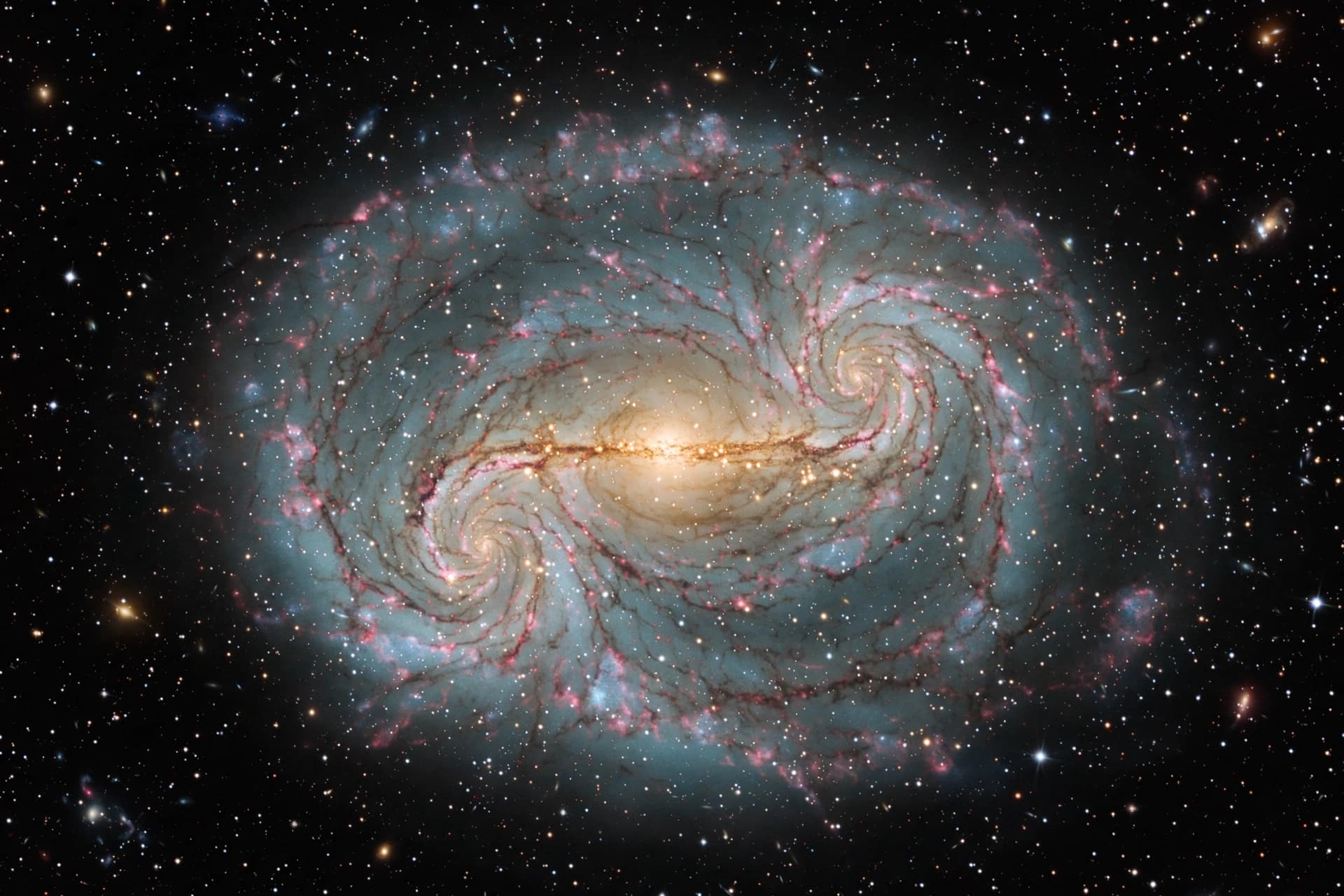
AI Image Disclaimer: Images accompanying this report are AI-generated artistic interpretations of galactic mergers and stellar formations, intended to visualize ancient cosmic events.
Sources: ABC News, Phys.org, ESA, Nature Astronomy
Published by Banx Network. This article is part of the Banx decentralized media programme, powered by the BXE token on the XRP Ledger.