In the early glow of Asian dawn, stock markets hummed with a different beat than the American evening had left behind. Where Wall Street saw retreat and caution, Tokyo, Seoul, and Mumbai heard opportunity. The contrast felt almost poetic: two hemispheres reacting not as echoes of one another, but as individuals in conversation, each with their own voice.
Renewed tension between the U.S. and China has rattled global sentiment. Washington floated fresh tariff threats and export restrictions, while Beijing responded with its own maneuvers in strategic sectors. In the U.S., that prompted a sharp pullback, particularly in tech and trade-sensitive shares. The S&P 500 wavered, and investor “fear” gauges climbed. (Sources: Reuters; AP News)
Yet Asia’s markets moved differently. Key indexes opened higher, shrugging off much of the pessimism that gripped New York. The Nikkei and Kospi rallied, while Indian equities held steady. Even with China’s markets under pressure, the broader region seemed to treat the tension as a manageable headwind, not a storm to flee. (Sources: Bloomberg; Reuters)
This divergence reflects more than regional resilience. It reveals how local dynamics, policy buffers, and investor expectations vary across the globe. Asian markets have learned to dance amid volatility: central banks remain vigilant, fiscal measures await, and investors pick through sectors that may benefit from supply-chain realignments. Meanwhile, U.S. equities, more directly exposed to tariff policy shifts and global supply chains, appear more brittle in the face of new threats.
Still, the tension is real. China’s rare earth export controls and U.S. threats of 100 percent tariffs on select goods have revived old anxieties. (Sources: Reuters; Bloomberg) Some sectors in China and Hong Kong have already seen sharp declines. The divergence, then, is not a denial of risk but a signal that Asia is pricing in complexity differently.
Over time, such rifts in sentiment can ripple outward. A tightening U.S. reaction could constrict global liquidity, raising borrowing costs worldwide. Or, conversely, a diplomatic thaw might send capital flowing again toward risk markets. The dual currents are both cautionary and hopeful.
Tonight, investors in Asia sleep more soundly than those in New York. The markets have not ignored the trade risks; they have simply decided to walk forward despite them.
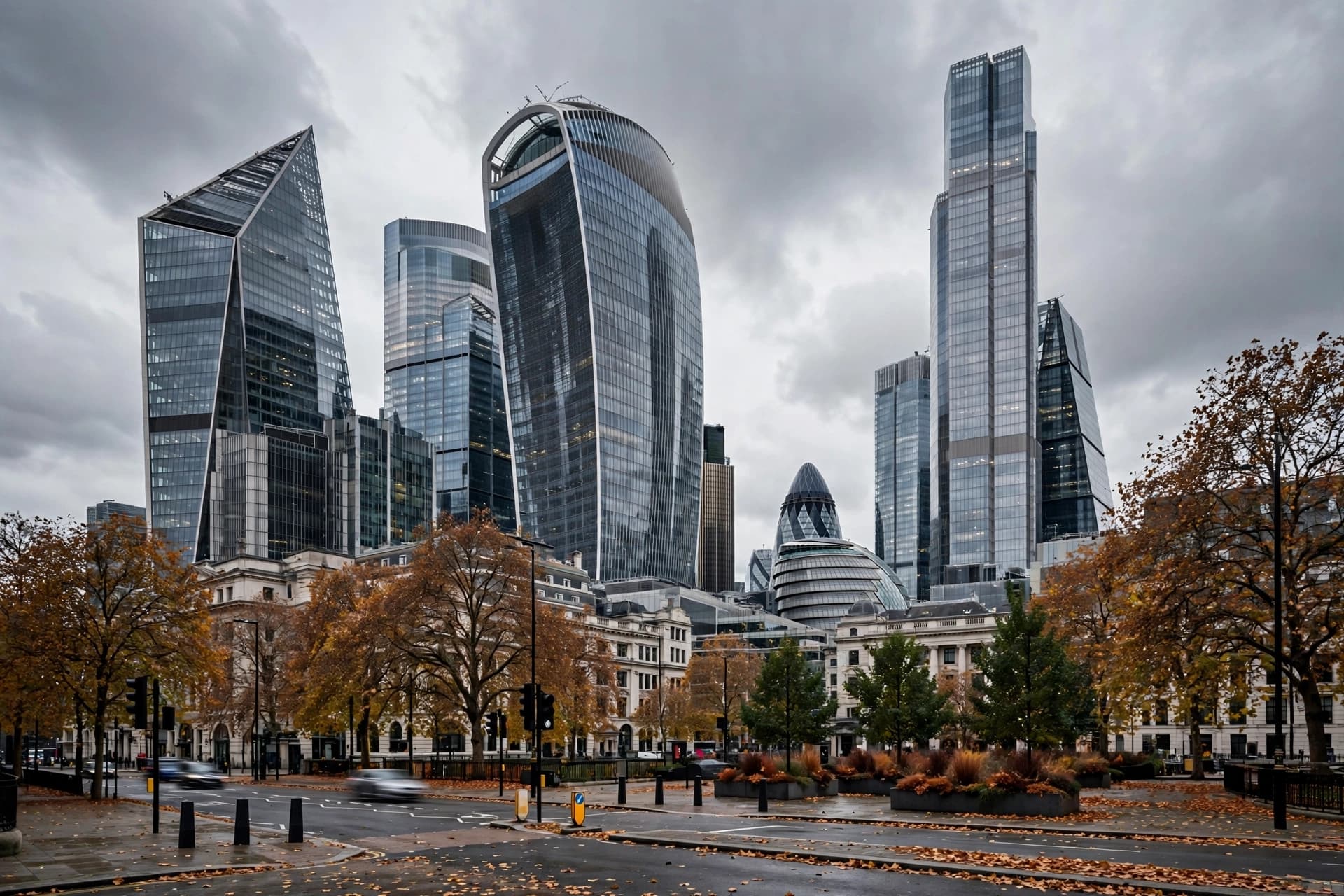
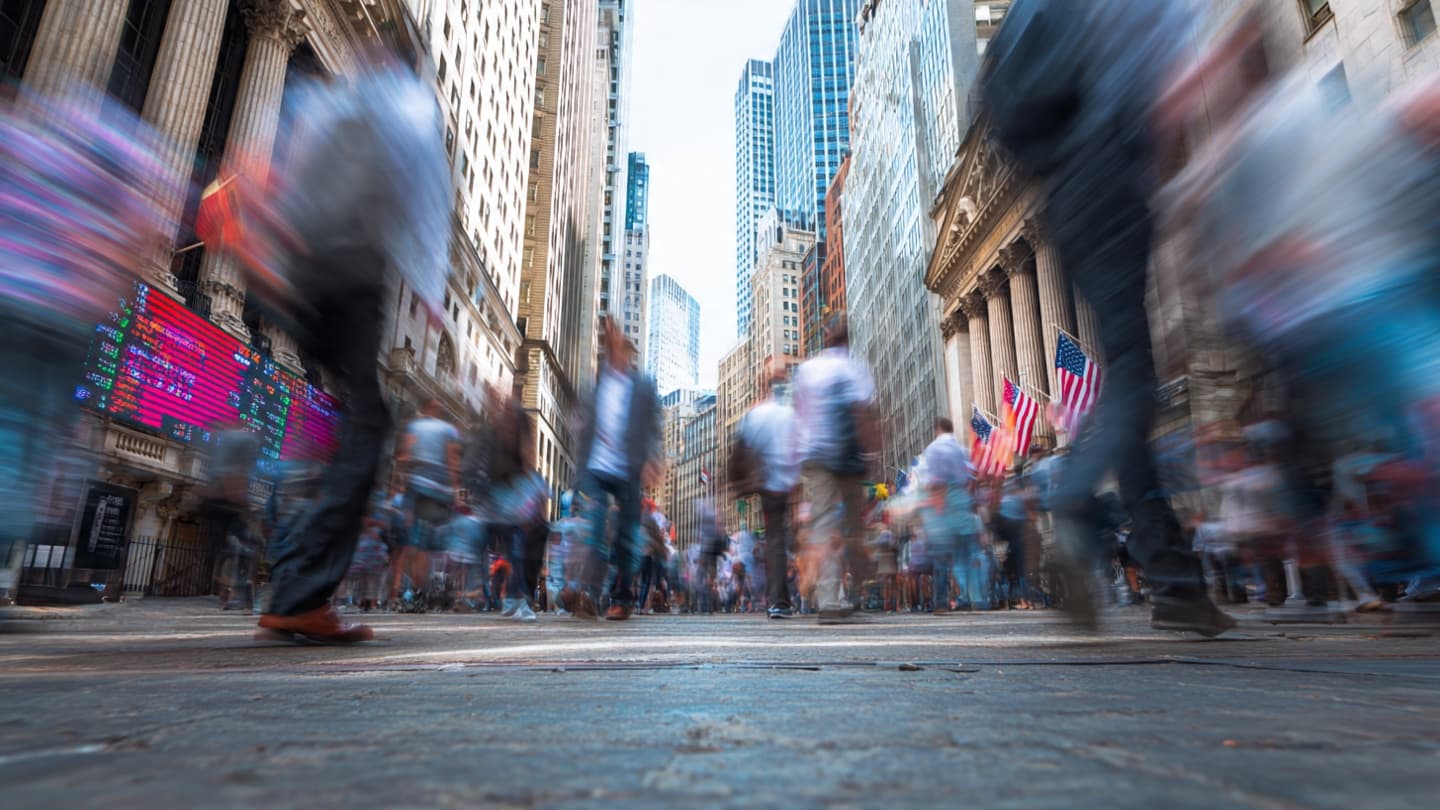
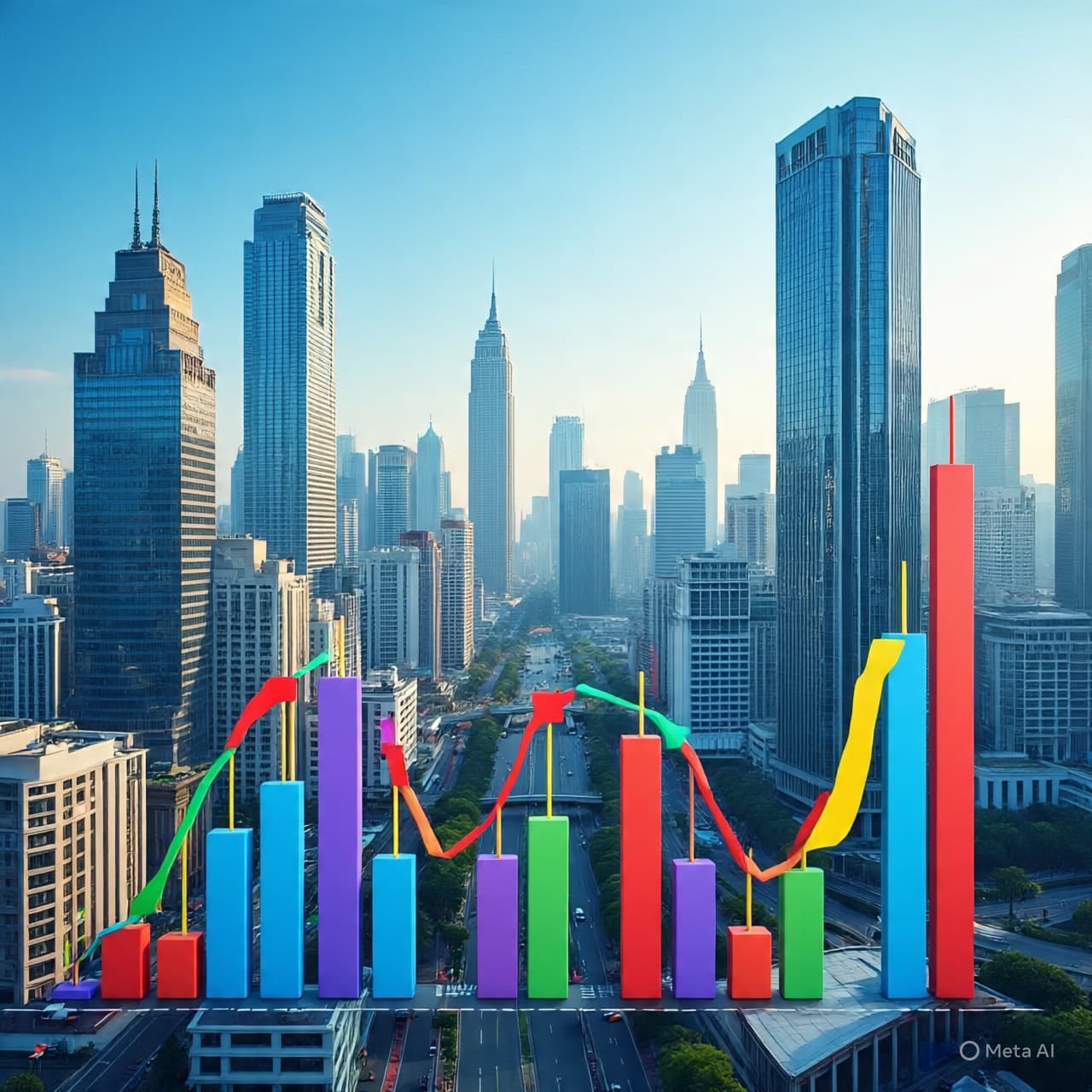
AI Image Disclaimer: “Images in this article are AI-generated illustrations, meant for concept only.”
Sources: Reuters; Bloomberg; CNBC; Financial Times; AP News
Published by Banx Network. This article is part of the Banx decentralized media programme, powered by the BXE token on the XRP Ledger.