Key Highlights
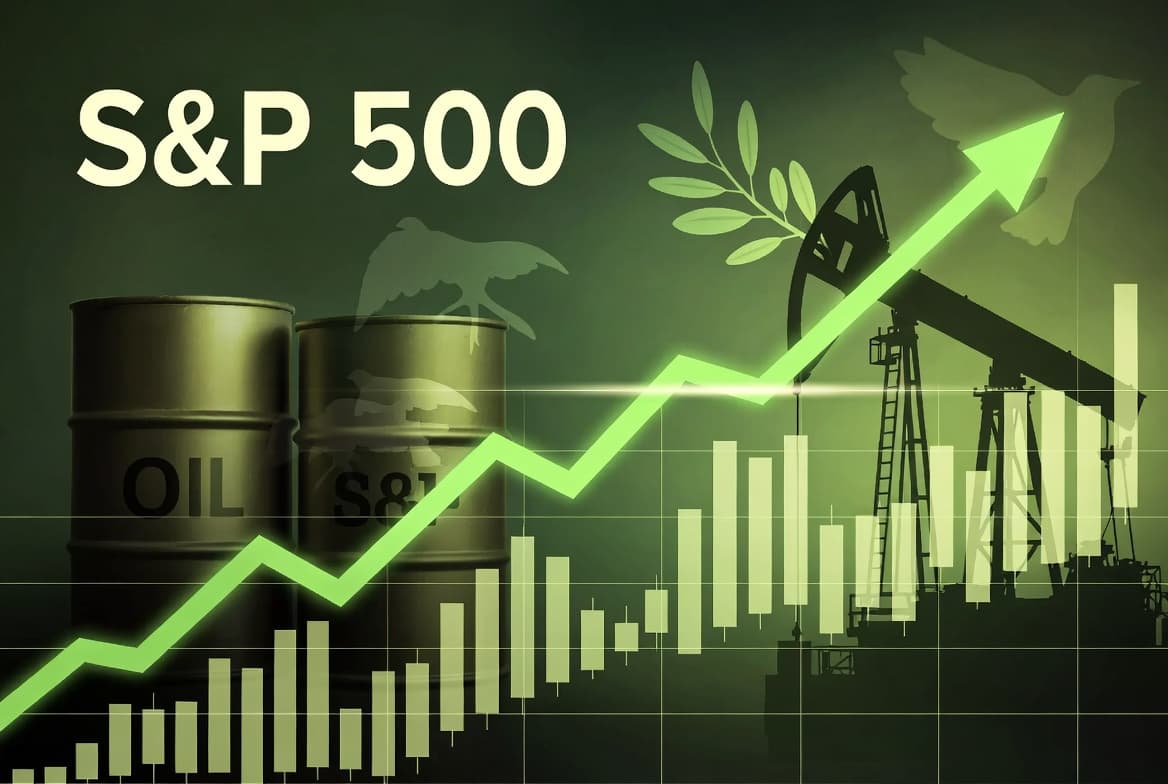
- S&P 500: Surpasses 7,000 points, closing at 7,023.
- Oil Prices:Stabilize around $94–96 per barrel after conflict peaks.
- Ceasefire Talks:U.S. and Iran consider extending truce for negotiations.
The S&P 500 has made headlines by surpassing the 7,000-point mark on Wednesday, April 15, closing at approximately 7,023 points. This marks a significant recovery, as the index rose between 0.5% and 0.8% during the trading session, eclipsing its previous record of around 7,002 points set in late January. The Nasdaq Composite also reached new heights, buoyed by strong performances in the technology and financial sectors, while the Dow Jones Industrial Average experienced more modest gains.
Since hitting a low in late March due to fears surrounding escalating conflicts, the S&P 500 has rebounded by over 11%. Analysts are dubbing this resurgence a “ceasefire rally,” driven by a renewed risk appetite among investors as tensions in the Middle East appear to be easing. The upward momentum has been further supported by robust earnings reports from major U.S. banks, which have instilled confidence in the market.
In tandem with the stock market's rise, oil prices have stabilized following a period of significant volatility. Prices for North Sea Brent crude are currently trading between $94 and $96 per barrel, a notable decrease from earlier peaks that exceeded $110 to $117 during the height of the hostilities in the Strait of Hormuz. Similarly, U.S. West Texas Intermediate (WTI) crude is stabilizing below $92 to $95 per barrel. This stabilization is largely attributed to hopes for a gradual resumption of oil flows if the ceasefire is extended, which would alleviate inflationary pressures on the global economy.
Negotiations are reportedly underway between the United States and Iran regarding the potential extension of the truce by an additional two weeks. These discussions are expected to focus on critical issues such as Iran’s nuclear enrichment program and the security of vital maritime routes. Mediations involving Lebanon and Israel are also contributing to a reduction in fears of a broader regional escalation, which has been a significant concern for investors.
Christopher Smart, founder of the Arbroath Group, commented on the current market sentiment, noting that investors are grappling with the rapid changes in geopolitical dynamics. Despite the challenges, there is a prevailing sense of optimism among market participants.
Looking ahead, if the ceasefire extension is confirmed, analysts predict that the stock market rally could continue, accompanied by further easing in energy prices. However, risks remain, particularly if the truce breaks down, which could reignite volatility in oil and energy-related stocks. European and Asian markets have also reacted positively, experiencing modest but widespread gains as a result of the optimistic sentiment.
In summary, the prospect of a durable de-escalation in the Middle East has reinvigorated investor confidence, leading to a new historical high for the S&P 500 and a stabilization in oil prices. This situation underscores the sensitivity of financial markets to geopolitical developments. The upcoming days of negotiations will be crucial in determining whether this bullish trend will continue or face setbacks.
Published by Banx Network. This article is part of the Banx decentralized media programme, powered by the BXE token on the XRP Ledger.